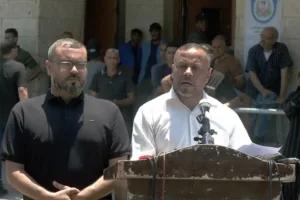
Hamas Dissolves Gaza Government Emergency Committee, Tendering Mohammed Al-Farra Resignation
Key Takeaways
- Hamas dissolves Gaza's Emergency Committee, transferring civilian administration to a technocratic body.
- The National Committee for the Administration of Gaza, US-backed, will oversee civilian affairs.
- Hamas dissolution prompts Israeli skepticism and warnings of an administrative vacuum.
Hamas dissolves Gaza governance
Hamas announced Monday that it would dissolve its Government Emergency Committee in the Gaza Strip and tender the resignation of Mohammed al-Farra, with the move framed as a handover of administrative authority to the National Committee for the Administration of Gaza (NCAG).
The NCAG is described as a 13-member body of independent Palestinian technocrats led by Ali Shaath, established in January under UN Security Council Resolution 2803 as part of a 20-point peace plan brokered by the Trump administration.
Hamas spokesman Hazem Qassem said the dissolution was intended to remove “pretexts for the occupation, which continues its aggression and war of extermination,” and he told AFP that “the ball is now in the mediators’ court”.
Israel and the UN-mandated transition overseer rejected the premise that governance can shift without disarmament, with a senior Israeli official quoted by KAN calling the dissolution “a “spin that has no meaning,” noting that many of the same officials remain in place.
The transition also faces a practical barrier: the NCAG says it is “fully prepared to assume its national responsibilities,” but it remains blocked from entering the Strip while it operates from Cairo.
Israel, UN, and critics react
Israel’s response was dismissive, with Gideon Sa’ar rejecting the transition as “a deception” and accusing Hamas of trying to reproduce a Hezbollah-style model in Lebanon by keeping military dominance while civilian institutions handle services.
Sa’ar said Israel would continue to insist on the “disarmament of Hamas and all other terrorist organizations in the Gaza Strip, and its full demilitarization,” while the technocratic NCAG remains outside Gaza and the handover is still tied to unresolved disarmament demands.

The UN offered a cautiously positive response through Stéphane Dujarric, who said the organization had taken note of Hamas’s announcement and the proposed transfer of administrative responsibilities to the NCAG.
In parallel, Al Jazeera reported that Hamas warned Israel’s obstruction was meant to create an “administrative vacuum” and deepen the humanitarian crisis in the besieged enclave.
A Gazan teacher and political activist, Alaa Abo Naddi, told www.kotaradio that the committee Hamas is dissolving was “never the source of its real authority,” arguing that the real question is whether Hamas will give up its weapons.
What’s at stake next
The political shift is directly linked to the ceasefire framework and the requirement that governance and security be unified under NCAG control, with the Board of Peace saying its assessment would be “guided by actions, not promises” and reiterating “one authority, one law and one weapon” in Gaza.
The Board of Peace’s guarded stance is echoed in the way Hamas framed its move as fulfilling obligations while refusing to commit to disarm unilaterally, tying any handover of weapons to a full Israeli military withdrawal from the territory.
The stakes extend beyond administration because the transition is also entangled with a proposed humanitarian zone plan in Rafah, southern Gaza, intended to house tens of thousands of vetted Palestinian civilians and managed by the NCAG.
Former Israeli Prime Minister Ehud Olmert likened the proposed enclaves to “concentration camps,” while diplomats and NGO officials expressed concern that screening mechanisms may be incompatible with international humanitarian law.
As negotiations continue in Cairo over the next phase of the ceasefire, the NCAG’s ability to enter Gaza remains the hinge point, with Hamas and Palestinian officials accusing Israel of deliberately obstructing its entry to create an “administrative vacuum.”
More on Gaza Genocide
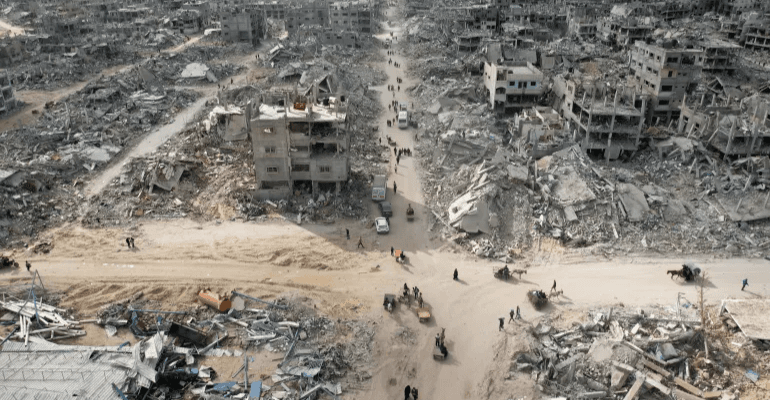
Israeli Drone Attack Injures Hospital Workers at Kamal Adwan Hospital in Beit Lahia, Gaza
13 sources compared
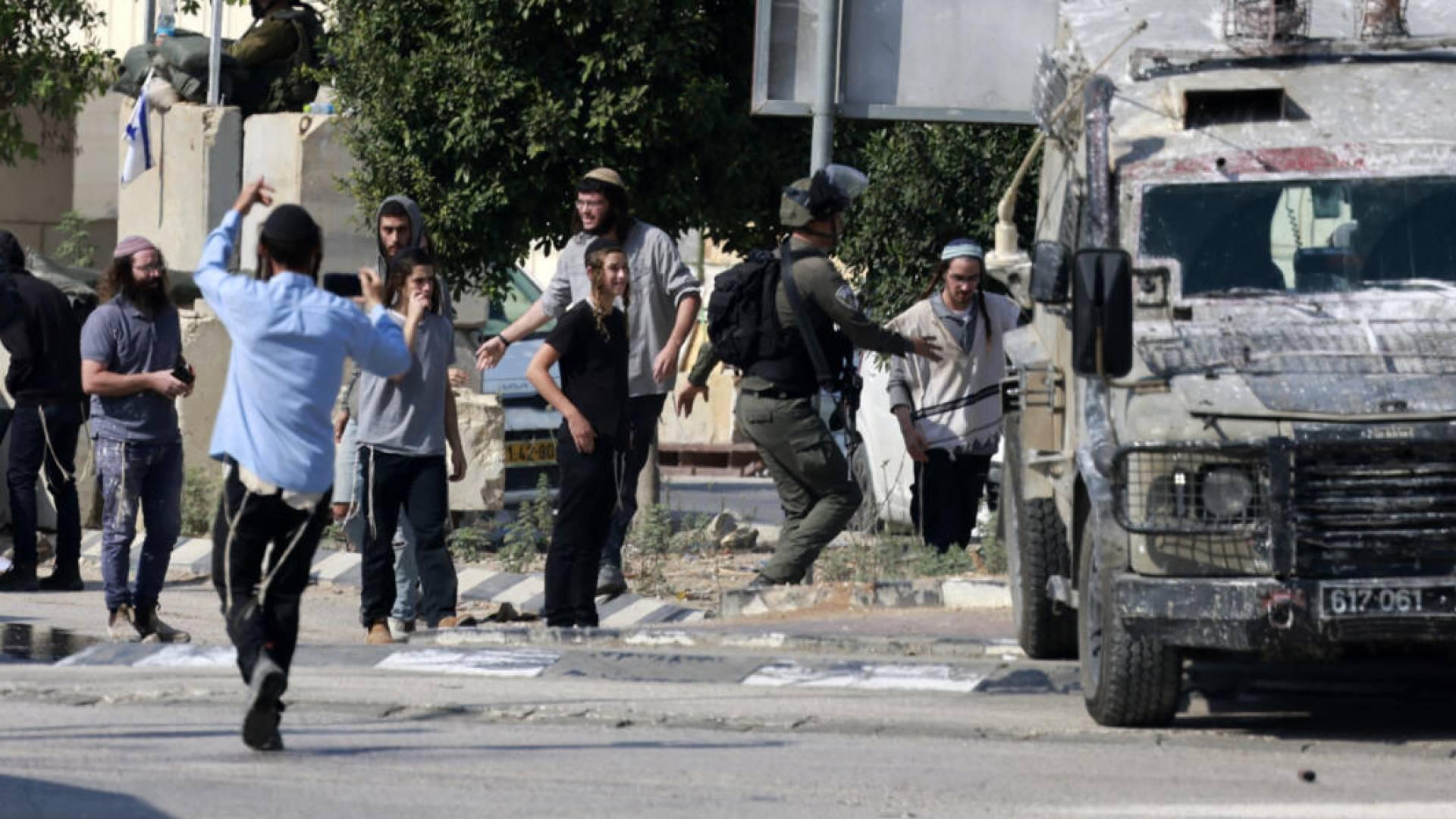
Israeli Security Forces Kill Four Bani Odeh Family Members Near Tubas in West Bank
14 sources compared

Haley Stevens And Abdul El-Sayed Clash In Michigan Senate Debate Over Israel And Gaza Policy
12 sources compared
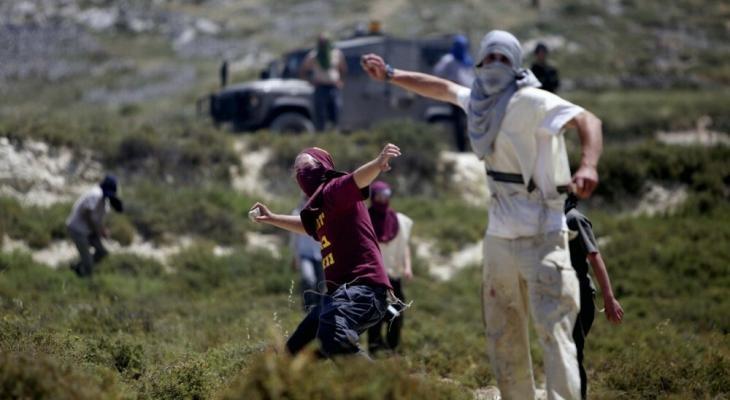
Settlers Attack Hawara, Injuring 13 Palestinians South of Nablus
13 sources compared