Gaza Genocide11 October, 20253 min read
Hamas Mobilizes 7,000 Fighters to Repress Gaza Residents and Purge Collaborators After Israeli Withdrawal
This article is an automated aggregation of coverage from news outlets. Our editorials offer in-depth analysis curated by the NewsCord team.
Hamas mobilized approximately 7,000 fighters to reassert control over Gaza after Israeli withdrawal. Hamas appointed five new military governors to stabilize governance amid rising internal violence.
15 outlets told this the same way.
Gaza Control and Ceasefire Update
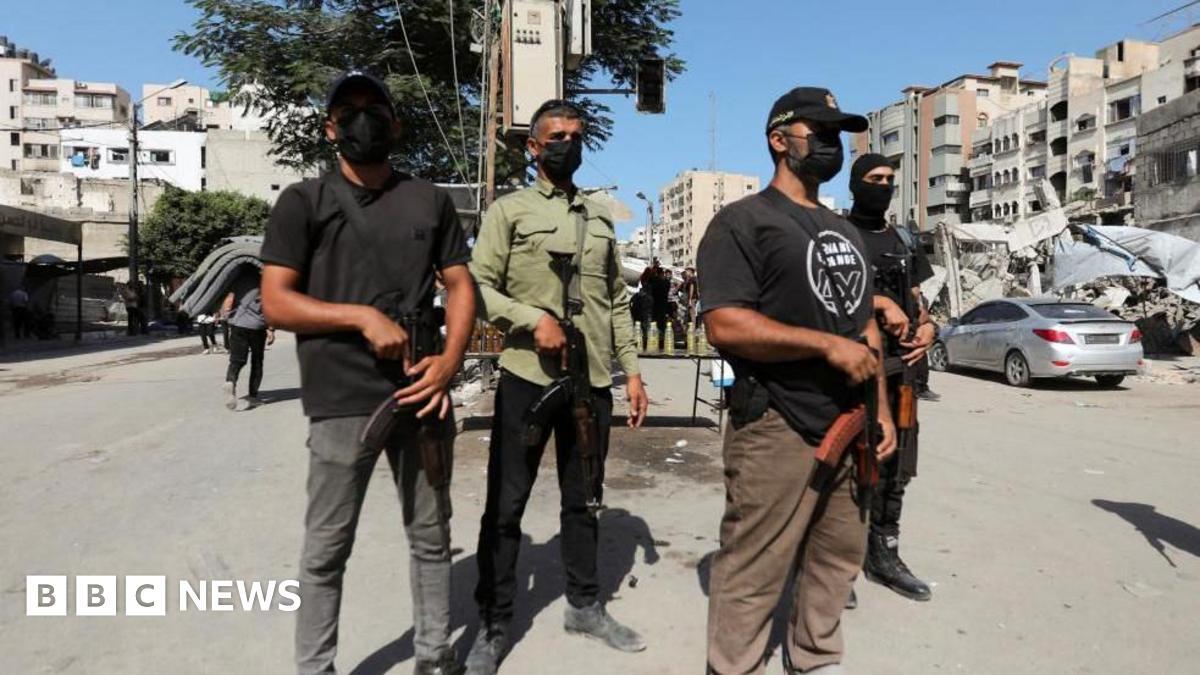
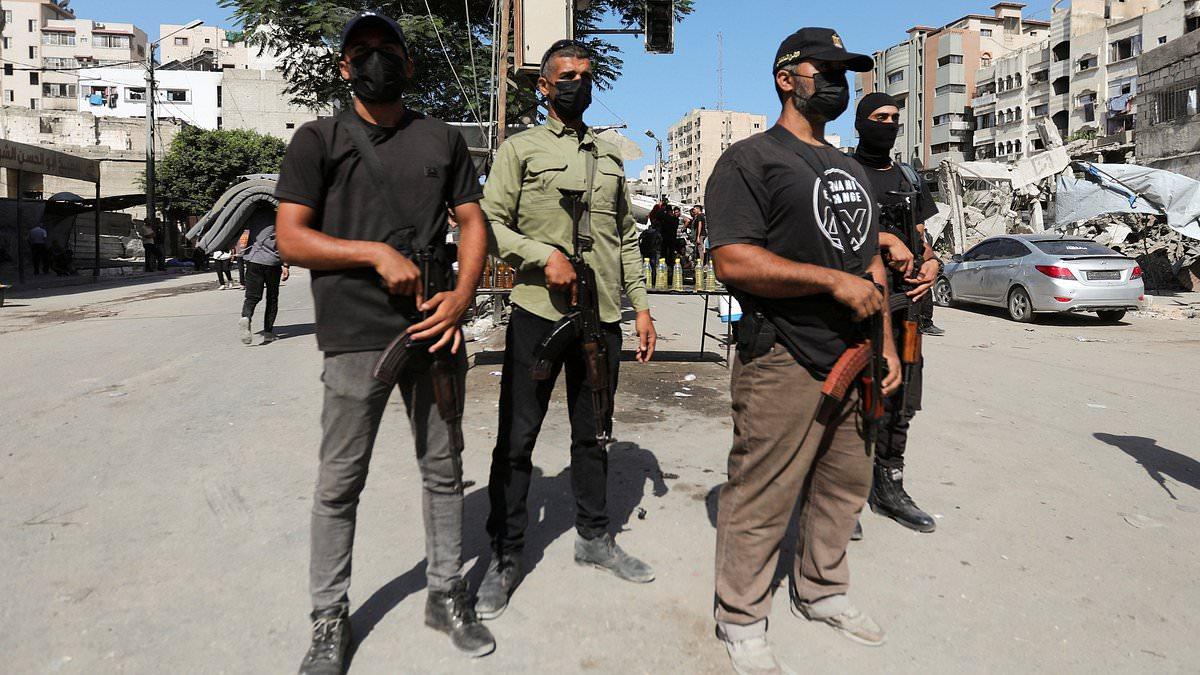
Hamas has recalled roughly 7,000 fighters and security personnel and installed five new military-background governors to tighten control in Gaza areas that Israeli forces vacated during the ceasefire. They have issued 24-hour orders to report and to cleanse Gaza of outlaws and collaborators with Israel. Multiple outlets report that armed units are already deployed and civilians are returning to devastated northern neighborhoods.
“Hamas has mobilized around 7,000 security personnel to reassert control over Gaza areas recently vacated by Israeli forces, appointing five new military-background governors.”
However, accounts differ on the ceasefire’s timing and framing: some describe it as entering its second day, others say it began on October 10 or October 11. One outlet claims the mobilization violates commitments to hand power to a neutral technocratic body. Israel continues to hold parts of Gaza and prepare prisoner transfers while expecting hostage releases under the truce.

Internal Conflict in Gaza
Reports describe a coercive internal campaign by Hamas targeting alleged collaborators. Hamas has surrounded hundreds of armed Dughmush clan members in Gaza City after two of its elite fighters were killed. The group killed one clan member and reportedly kidnapped 30 others during this operation.
Other sources indicate that clan weapons were looted from Hamas during the war. Hamas's rapid recall of forces aims to prevent a civil war within Gaza.
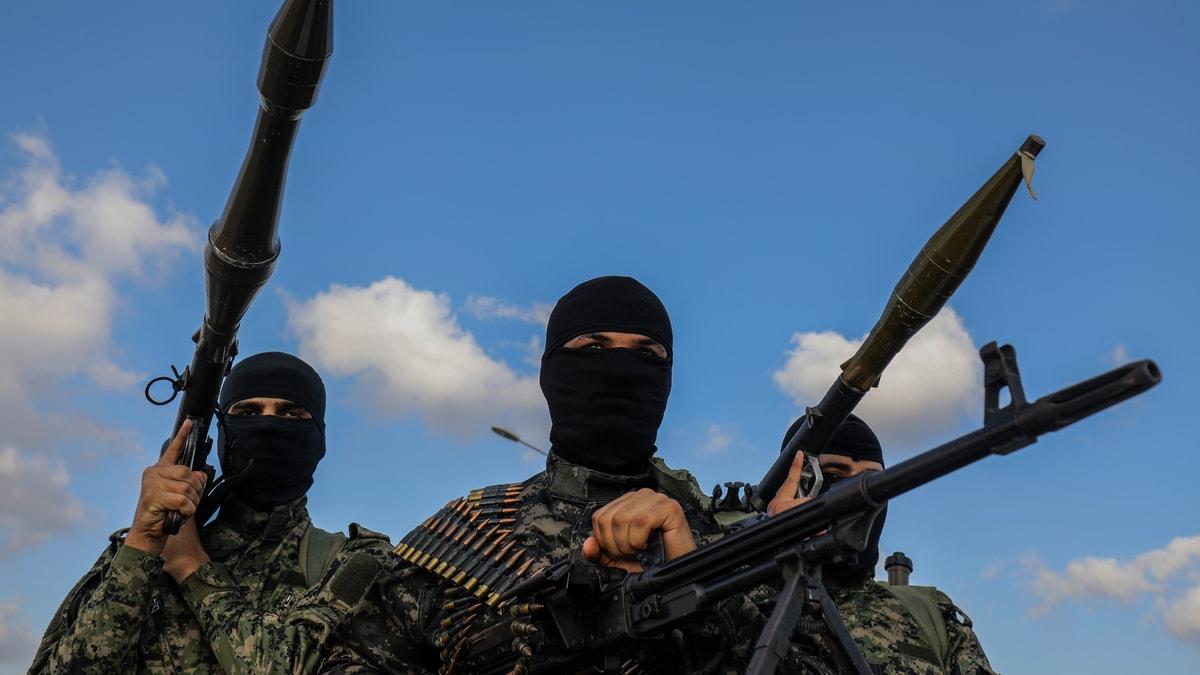
A Western alternative outlet alleges that Hamas is rounding up locals for interrogation and possible execution, though this claim is not independently confirmed by mainstream reports. Multiple sources link the mobilization directly to confrontations triggered by the Dughmush clan and fears of internal bloodshed.
Ceasefire and Hostage Exchange Details
Ceasefire and exchange mechanics vary by source. Some say Israel will release roughly 1,950 detainees or approximately 250 prisoners and around 1,700 detainees. Others detail a deal for 250 long-sentence prisoners and 1,700 detainees, with Hamas to free all remaining Israeli hostages within 72 hours.
“Israel is transferring Palestinian prisoners in preparation for releasing about 1,950 detainees.”
Several outlets forecast hostages released by Monday. Another notes a Hamas official suggested releases could take months. The US role is described as deploying 200 troops to Israel to monitor the truce and establishing a coordination center.
The US is also flying monitoring aircraft and, in some accounts, brokering the deal via a Trump envoy and a broader 20-point plan. This plan envisions an international security force and an open-ended Israeli border presence.
Impact of Gaza Conflict
The war’s human toll is catastrophic and directly attributed to Israeli military action by several outlets. According to Gaza’s Health Ministry, cited as reliable by the UN and experts, Israel’s offensive killed over 67,000 Palestinians and wounded nearly 170,000, while more bodies are pulled from rubble. Sources describe over 75% of Gaza’s buildings destroyed and $49 billion in damage, with debris equated to “25 Eiffel Towers.”
Aid agencies push to scale up deliveries, but access remains throttled; some report 500+ trucks entering while 170,000 metric tons are still stockpiled outside. Civilians return north to ruins during the ceasefire, and multiple outlets report global accusations that Israel committed genocide in Gaza—accusations Israel denies.
Post-Ceasefire Gaza Governance
Governance after the ceasefire remains disputed. Israel demands that Hamas disarm and Gaza be demilitarized, warning of renewed force if that does not happen. US-backed plans discuss an international security force and an open-ended Israeli presence along Gaza’s border.
“Israel demands Hamas disarm and Gaza be demilitarized, with Prime Minister Netanyahu warning that failure to do so could lead to renewed military action.”
Other outlets say France supports the US plan regionally. Several sources report that Hamas resists disarmament and insists on retaining influence. One outlet says Hamas broke a commitment to a neutral technocratic handover.
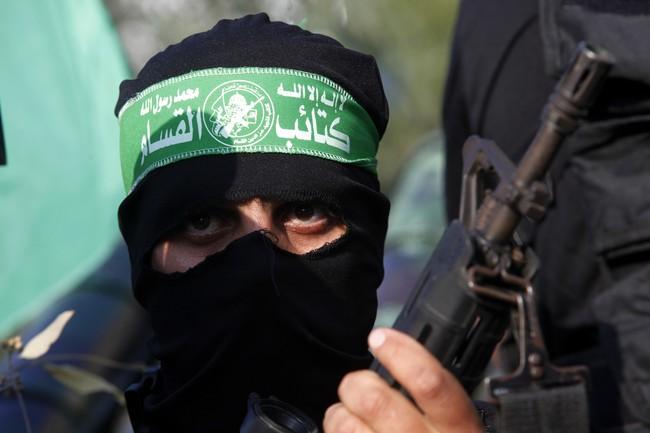
Another outlet says Hamas only partially accepted the US proposal and refuses to cede control until full Israeli withdrawal. A Western Alternative outlet asserts that Hamas shows no intention of disarming or leaving Gaza.