Lebanon · updated 2h ago · 3 min read
Nawaf Salam Rejects Political Assassination On Bachir Gemayel Anniversary
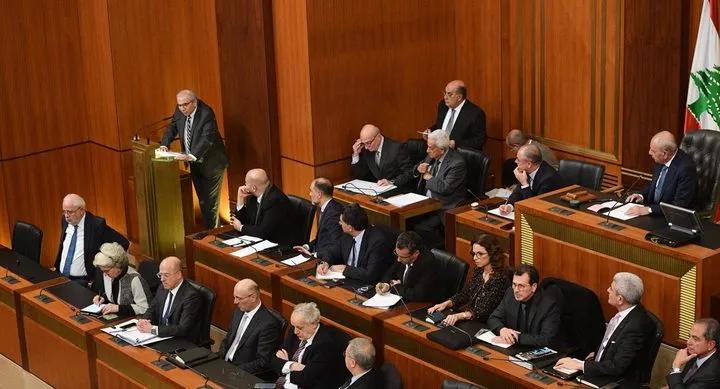
Lebanese Parliament renewed confidence in Nawaf Salam's government with 68 votes. Hezbollah bloc walked out of the chamber before the vote.
10 outlets, one story, no spin found.
1 of 2 outlets skipped it: hezbollah withdrew from the confidence vote; Amal backed Salam.
10outlets compared
Assassination rejected
Lebanese Prime Minister-designate Nawaf Salam said political discord cannot justify acceptance of political assassination, speaking on Sunday on the anniversary of the assassination of the elected president Bachir Gemayel.
““our history has taught us that assassination may end a life, but it has never succeeded in resolving a dispute,””
Salam stressed that “our history has taught us that assassination may end a life, but it has never succeeded in resolving a dispute,” and he reiterated rejection of resorting to political violence in all its forms.
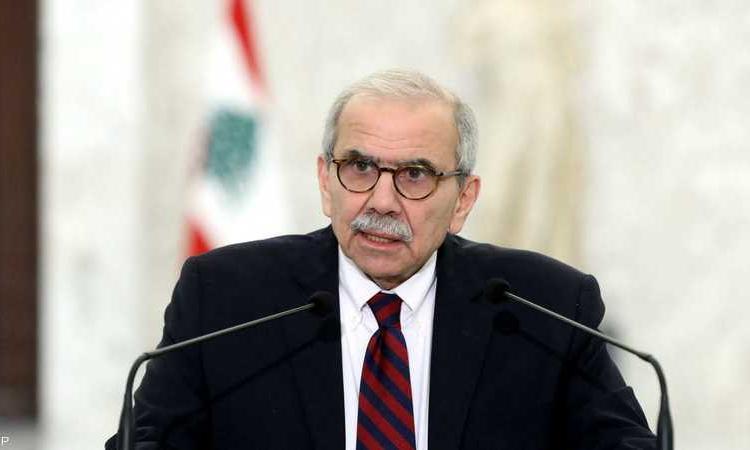
In the same statements, Salam said closing the pages of violence from the past is not done by denying or forgetting it, but through frankness and reconciliation, and through institutions and democracy in managing differences.
The political debate around Salam’s government then shifted toward parliamentary procedure, with An-Nahar framing the question as whether the “Naufal Salam government” would pass the trust test through minister-by-minister scrutiny rather than a single vote to topple the cabinet.
Trust test and votes
An-Nahar quoted lawyer Dr. Judit Al-Tinni saying that “Tuesday and Wednesday’s session comes within the framework of practicing parliamentary work,” citing Article 136 of the House of Representatives’ internal regulations.
Al-Tinni also said that “the House of Representatives renewed on July 16, 2025 the confidence in Prime Minister Salam’s government by 69 votes to 9, with 4 abstentions,” and she added that “there is no majority in favor of removal of confidence.”

In parallel, SANA said Lebanese Parliament renewed confidence in Prime Minister Nawaf Salam’s government with 68 votes, while 12 voted against and two abstained, and it noted the parliament has 128 deputies.
Elsiyasa likewise said the Parliament renewed confidence in the government of President Nawaf Salam with a majority of 68 votes, while 12 deputies abstained from confidence and two deputies abstained from voting, after two days of sessions discussing the government’s performance.
The debate’s stakes were tied to how accountability would work if the government was politically immune to a no-confidence vote, with An-Nahar describing the session as a place to open files and determine responsibilities.
Opposition, sovereignty, and risk
Ya Libnan’s opinion piece argued that Parliament must hold Nawaf Salam and the state leadership accountable, but warned against using the chamber to restore the political establishment they were chosen to replace.
“only the state has the right to bear arms and defend Lebanon.”
It said Mustafa Hamdan, secretary of the leadership body of the Independent Nasserist Movement–Al-Mourabitoun, warned that the parliamentary session was being used to target the office of the premiership and Prime Minister Salam personally, and it added that Hamdan alleged political forces were promoting former Prime Minister Najib Mikati as a replacement.
The piece also cited Salam’s insistence on state sovereignty, saying his government removed from its policy statement language used to legitimize Hezbollah’s independent military role and declared that “only the state has the right to bear arms and defend Lebanon.”
In the confidence debate coverage, the “Lebanon Parliament renewed its confidence in PM Salam’s govt. Hezbollah failed to oust him” report said Hezbollah’s “Loyalty to the Resistance” parliamentary bloc members walked out of the chamber before the vote, while it quoted Salam’s speech to MPs that “I have no doubt that the citizen demanding the presence of the State is justified in that demand.”
The same report framed the consequences as a test of whether the state’s authority could be enabled to fulfill its duties, with Salam saying “we do not want citizens to continue paying the price for the State’s involuntary absence.”