Iranupdated 53m ago2 min read
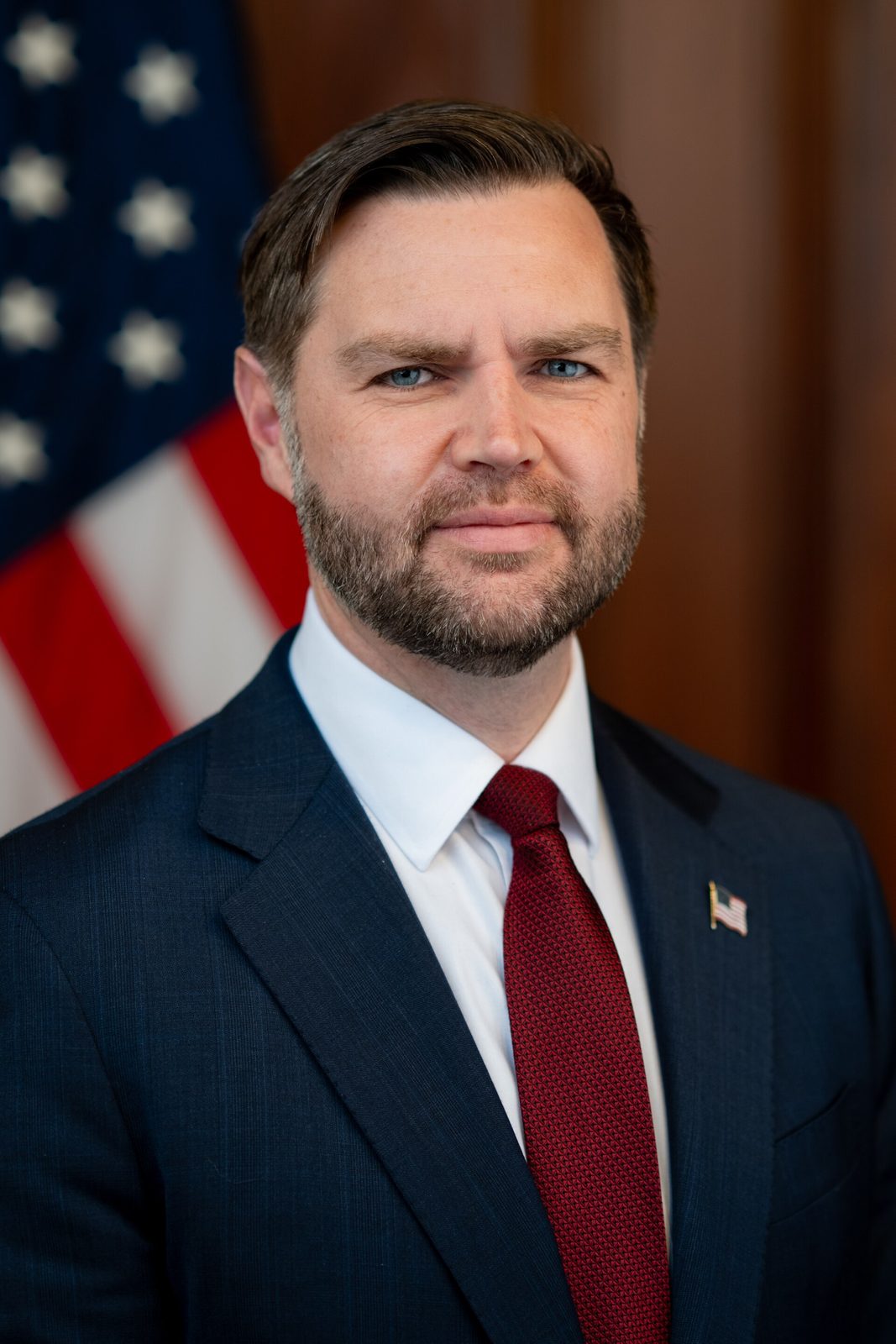
Archive photo · 25 March 2026JD Vance Leads U.S. Delegation To Islamabad Talks With Iran Over Lebanon And Sanctions
“Thus, while the optics with Vance look better than anyone else in the Trump administration, I doubt that they [Iranian officials] give the outreach much credence until Vance proves able to actually deliver something on his own,’ he said.”
“Former diplomat Kourosh Ahmadi challenged predictions that another war was imminent, arguing that the remaining disagreements between Tehran and Washington might not be substantial enough to justify the costs of a new conflict.”
Photo: Emily J. Higgins / US federal government, Public domain · Cropped for layout
This article is an automated aggregation of coverage from news outlets. Our editorials offer in-depth analysis curated by the NewsCord team.
JD Vance leads US delegation to Islamabad to hold Iran talks on Lebanon and sanctions. Tehran says commitments on Lebanon and sanctions required before talks can begin.
Save coverage image
Al Jazeera was read line by line by the Watchdog: 3.0. See the score →
Talks in Islamabad
Senior U.S. and Iranian leaders met in Islamabad for negotiations to end their six-week-old war, while Tehran said the talks could not begin without commitments on Lebanon and sanctions. Vice President JD Vance led the U.S. delegation to an air base in Islamabad on Saturday morning, where Field Marshal Asim Munir and Foreign Minister Ishaq Dar received them. Parliamentary Speaker Mohammad Baqer Qalibaf led the Iranian delegation, and Foreign Minister Abbas Araqchi arrived on Friday dressed in black in mourning for the death of Supreme Leader Ayatollah Ali Khamenei and other Iranians killed in the conflict.
A senior Iranian source told Reuters that the U.S. had agreed to release frozen assets held in Qatar and other foreign banks, and the source welcomed the move as a sign of “seriousness” in the talks. Trump posted on social media that “The Iranians don’t seem to realize they have no cards, other than a short term extortion of the World by using International Waterways.”
Lebanon and sanctions conditions
Iran’s Supreme National Security Council secretary Mohsen Rezaei received a letter from Vance through Qatari mediators, and Tehran reportedly did not respond to it. Iranian Parliament Speaker Mohammad Bagher Ghalibaf said Washington’s “carrot-and-stick approach” would not influence Tehran, and he wrote that progress depended on agreement to the country’s seven conditions. The seven conditions included lifting sanctions, ending the US naval blockade of Iranian ports, guarantees to an end to US-Israeli strikes, and the unfreezing of Iranian assets, according to the semi-official Tasnim news agency.
Vance told Fox News on Thursday that he expected a positive outcome, but he added: “If they’re going to try to play us, then they’re going to find the negotiating team is not that receptive.” In parallel, the U.S. and Israel said the Lebanon campaign is not part of the Iran-U.S. ceasefire, while Iran demanded a ceasefire in Lebanon where Israeli attacks on Iran-backed Hezbollah militants have killed nearly 2,000 people since the start of the fighting in March.
War risk and Hormuz
Strikes on southern Lebanon continued on Saturday morning, and Reuters reporters heard an Israeli surveillance drone flying over Beirut from Friday night into the next morning. Hezbollah announced it had conducted several military operations against Israeli positions on Saturday, both within Lebanese territory and in northern Israel. The Iranian delegation met Pakistani Prime Minister Shehbaz Sharif to determine the timing and manner of possible negotiations, and a Pakistani source said it was too early to say whether talks would end on Saturday.
Iran’s Islamic Revolutionary Guards Corps claimed that three oil tankers had struck mines, exploded and caught fire while attempting to pass through the Strait of Hormuz over the previous 24 hours, and the IRGC said the vessels used what it called an unauthorised southern route. The DD News report said the U.S. two-week ceasefire in the war on Tuesday halted U.S. and Israeli airstrikes on Iran, but it did not end Iran’s blockade of the Strait of Hormuz or calm the parallel war between Israel and Hezbollah in Lebanon.