Iranupdated 1h ago3 min read
Archive photo · 20 August 2017Adm. Brad Cooper Briefs Trump on Iran Options as Patriot Battery Ships From Texas
“presented the options, according to the report.”
“Iran has used a secret network of more than 5,000 military agencies to import at least $2 billion worth of equipment”
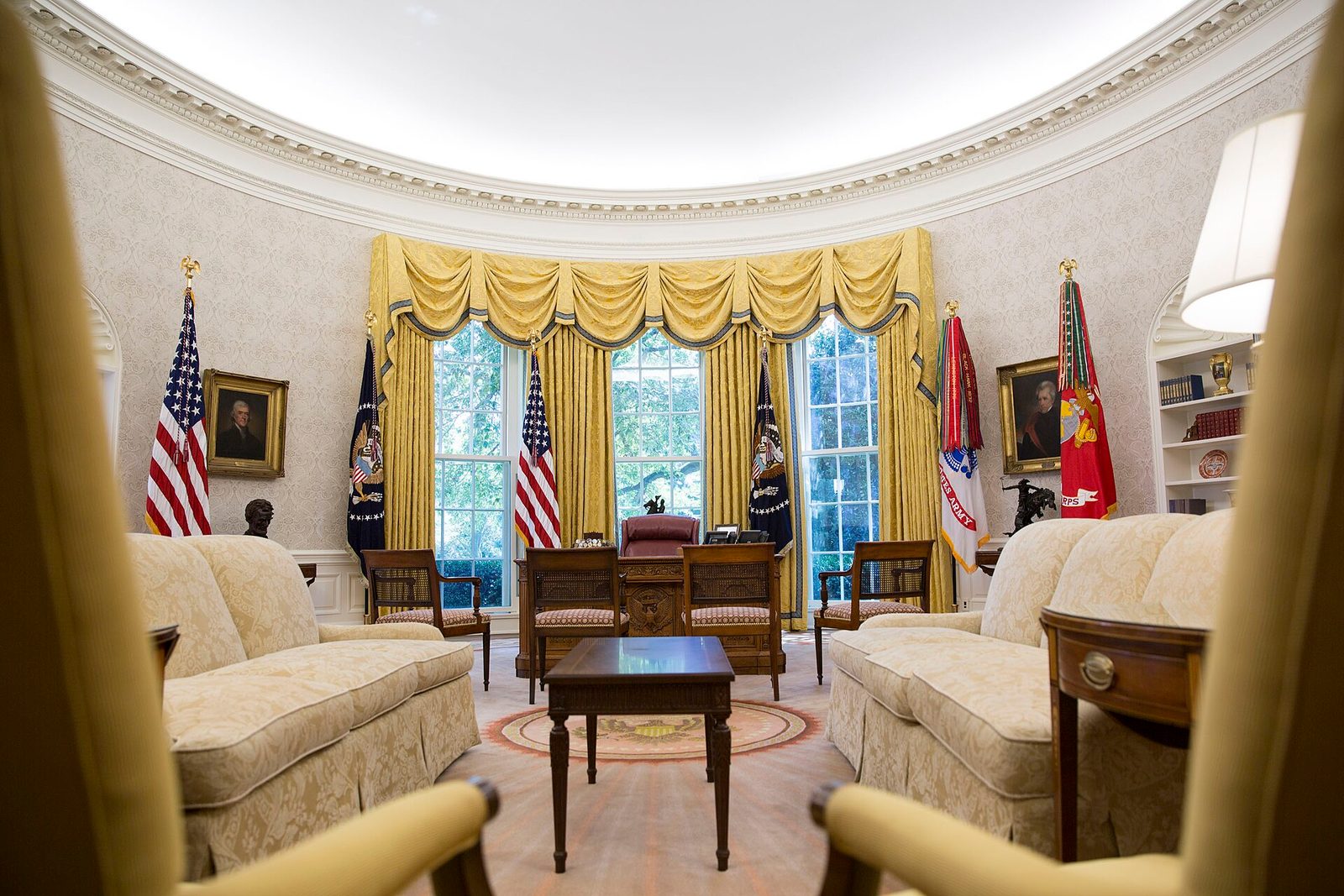
Photo: White House / US federal government, Public domain · Cropped for layout
This article is an automated aggregation of coverage from news outlets. Our editorials offer in-depth analysis curated by the NewsCord team.
Adm. Brad Cooper briefed President Trump on Iran options amid the naval blockade. The briefing highlighted the ongoing naval blockade and broader Iran-military posture.
Save coverage image
Options as planes land
U.S. Central Command chief Adm. Brad Cooper briefed President Donald Trump at the White House on Thursday with military options concerning Iran, with Defense Secretary Pete Hegseth and Joint Chiefs Chairman Dan Caine also joining the meeting, the Wall Street Journal reported citing US officials and others with direct knowledge of the meeting.
More than 10 US military transport aircraft landed at Israeli airbases in southern Israel over the past week, and most recent cargo flights took off from Biggs Army Airfield in El Paso, Texas, bound for the Israeli Air Force’s Nevatim and Ovda airbases.
The contents of the transport planes were unknown but were thought to be connected to US efforts to bolster its air defenses in the region ahead of a possible new round of fighting with Iran.
On Wednesday the Wall Street Journal reported the US military was sending a Patriot battery from Texas to strengthen its air defenses in the region.
Trump said Vance outreach to Terhan was about medical supplies, after the Wall Street Journal reported that Vance had sent a letter to Iranian security chief Mohsen Rezaei as part of an effort to revive peace negotiations.
Blockade focus, mediation
U.S. officials told the other outlet that Adm. Brad Cooper briefed Trump on the state of the Iran war with a focus on the ongoing naval blockade, and they said Trump wanted to hear directly from the CENTCOM head on whether the naval blockade is working.
The other outlet reported that Cooper also briefed Trump on the military operation for guiding oil tankers out of the Strait of Hormuz to global energy markets and updated Trump on the economic pressure campaign the military is conducting with the Treasury Department.
The other outlet said a group of regional mediators led by Qatar was trying to get the U.S. and Iran to head off a resumption of war after the midterms in favor of negotiations, and it quoted a regional source saying, "The mediation is at a very sensitive stage."
The other outlet reported that Qatari mediators recently delivered a letter from Vice President Vance to Iran’s Secretary of the Supreme National Security Council, Gen. Mohsen Rezaei, and it said Vance proposed restarting negotiations but stressed that any talks would have to address Iran’s nuclear program.
The other outlet also reported that Iranian officials continued to demand the U.S. take steps such as lifting the blockade, releasing Iranian frozen funds, and allowing Iran to sell oil before resuming negotiations on their nuclear program.
Trade strain and hidden imports
The cost of transporting a 40-foot container by sea from China to Iran rose from $2,700 to $2,800 to about $13,600 amid the U.S. naval blockade, according to Infobae. More than 4,000 trucks and tractor units remained stationary for long periods at border crossings with Turkey at Bazargan, Sarv and Razi, while no additional border transit restrictions had been announced. Iran used a secret network of more than 5,000 military agencies to import at least $2 billion worth of equipment, explosives and heavy-duty trucks since January 2025 despite the U.S. naval blockade.
One agency identified as MOD 346428 imported $2.3 billion in military-related goods between January 2025 and June 2026, and the shipments included rocket fuel ingredients, explosives, aircraft parts, industrial machinery and hundreds of heavy-duty trucks. Reuters found no evidence that the numbered agencies identified in the documents had been individually sanctioned by Western governments, while China’s Foreign Ministry told Reuters it was unaware of the reported shipments and rejected attempts to link Beijing to the regional conflict.