Iranupdated 1h ago2 min read
Archive photo · 22 July 2026U.S. Tells Middle East Allies To Prepare For Possible Iran Strikes After November 3 Midterms
9 West Asian5 Asian2 Israeli2 Other source typesPhoto: U.S. Marine photo by Staff Sgt. Ryan Pulliam / US federal government, Public domain · Cropped for layout
This article is an automated aggregation of coverage from news outlets. Our editorials offer in-depth analysis curated by the NewsCord team.
US warns Gulf allies to prepare for a short, intense Iran strike after midterms. Possible targets include energy facilities and regime leadership under consideration by Washington and allies.
Save coverage image
Ynetnews was read line by line by the Watchdog: 3.0. See the score →
Post-midterms strike warnings
U.S. officials told several Middle East countries and regional allies to prepare for possible renewed military action against Iran after the November 3 midterm elections, while warning that Iranian retaliation could target energy facilities and other critical infrastructure. President Donald Trump has not made a final decision on whether to launch new strikes, and diplomats said he was evaluating new military action once the crucial November 3 elections conclude.
Iranian Foreign Minister Abbas Araghchi said Tehran “continues to give diplomacy a chance to succeed” and said Iran was collaborating with mediators to evaluate ideas included in a proposal submitted last month that Trump rejected. The United Arab Emirates foreign ministry urged all parties to “exercise wisdom and pursue political solutions to help contain tensions” and avert a resumption of full-scale conflict in the war that began in late February.
Naval buildup and campaign talk
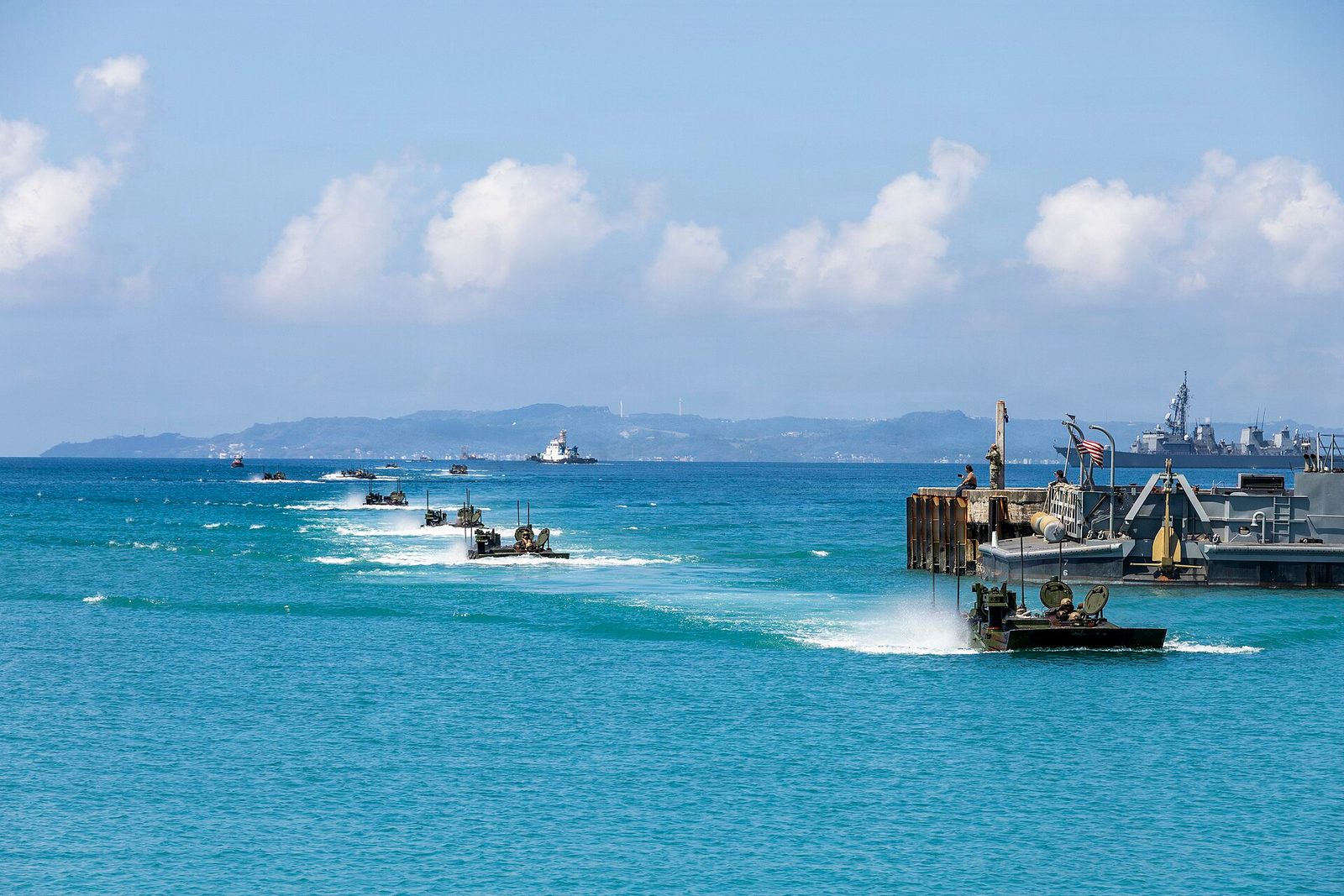
The Pentagon deployed the USS Theodore Roosevelt alongside a detachment of amphibious landing ships carrying Marines, totalling roughly 9,000 personnel, from San Diego to the Persian Gulf to reinforce U.S. military posture.
A U.S. official said the deployment could elevate naval presence to over 20,000 sailors and Marines, alongside hundreds of aircraft, a concentration seen only a handful of times in the past two decades.
Trump told a rally in Lubbock, Texas, “I said, ‘Whenever I want it to end.’ It’ll be very quick,” while also saying the conflict must end with “total and complete” guarantees that “they will never have a nuclear weapon.”
Jonathan Schanzer, executive director at the Foundation for Defence of Democracies, said, “Why would they wait until after the elections here ... if they could initiate it and potentially gain the upper hand?”
Mediation, nuclear conditions
Regional mediators led by Qatar tried to restart negotiations between the U.S. and Iran to prevent the resumption of war after the midterm elections, with Qatar working to convince Iran to allow UN inspectors to visit its bombed nuclear sites in return for some sanctions relief. Axios said the Israeli Chief of Staff was discussing with the CENTCOM commander the coordination of potential attacks, and it described an expected operation that could include a week of massive strikes on Iranian leadership, energy, nuclear and infrastructure targets.
Rafael Grossi told the UN Security Council that reviving the Cairo agreement could provide a framework for restoring inspections of Iranian nuclear facilities damaged in U.S. and Israeli strikes. Trump told Axios, “We need to finish the job — either through a deal or another way — we will find out if negotiations can succeed,” while Abbas Araghchi said, “While our Brave Armed Forces are fully prepared to defend the Homeland, Iran continues to give diplomacy a chance to succeed.”