Iranupdated 1h ago3 min read
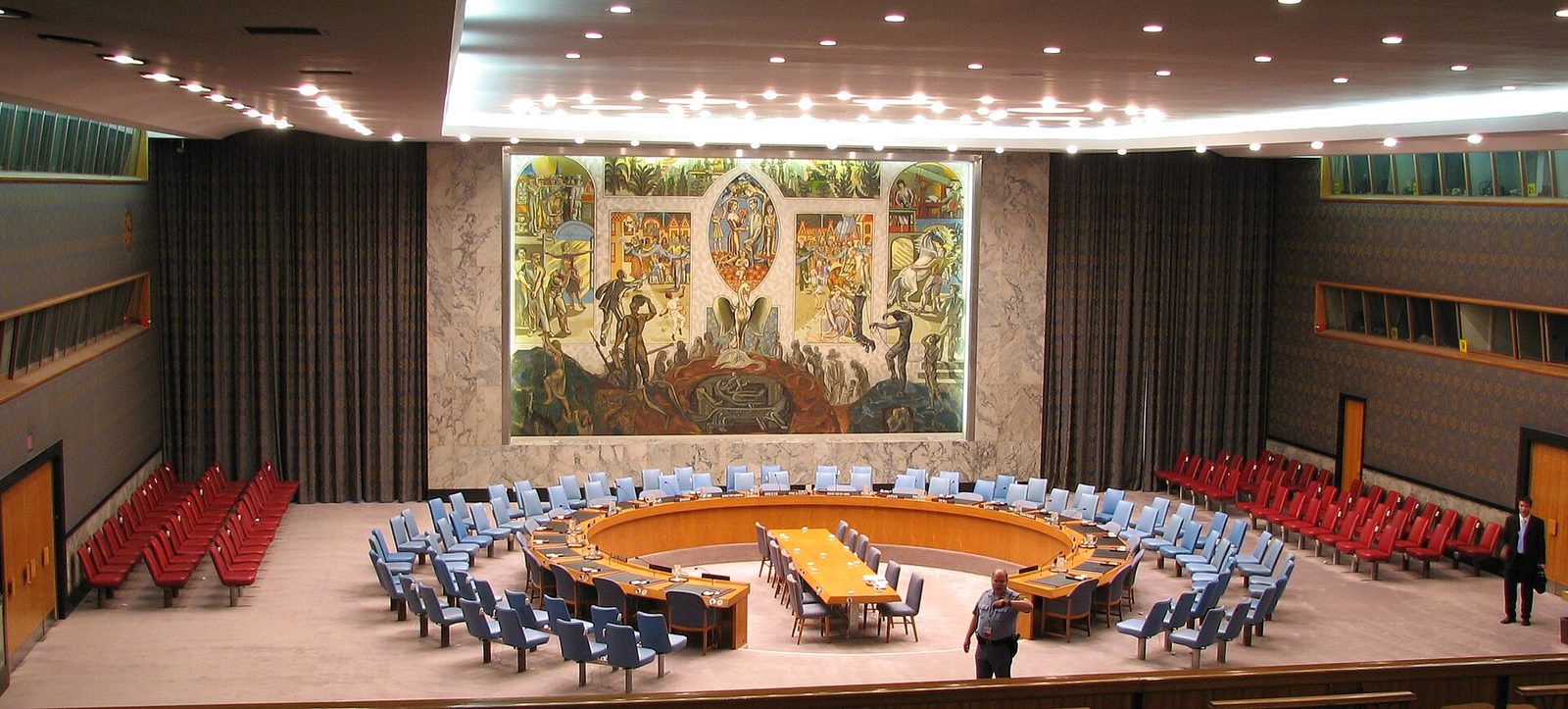
Archive photo · 14 September 2006Iran’s Darzi Rejects Western Blame, Says US Blockade Threatens Navigation in Strait of Hormuz
5 West AsianPhoto: Hu Totya, CC BY-SA 3.0 · Cropped for layout
This article is an automated aggregation of coverage from news outlets. Our editorials offer in-depth analysis curated by the NewsCord team.
Iran blames US blockade and Israeli aggression as the root cause of Hormuz insecurity. Iran reiterates it upholds freedom of navigation as a responsible coastal state.
Save coverage image
5 outlets told this the same way.
Outlets did split on Adm. Brad Cooper Briefs Trump on Iran Options as Patriot Battery Ships From Texas →
Iran blames aggressors
Iran’s representative to the United Nations Security Council, Gholamhossein Darzi, rejected attempts by Western powers to blame Tehran for disruptions in the Strait of Hormuz and said, “The responsibility for any disruption, obstruction, or other interference with maritime navigation in the Persian Gulf and the Strait of Hormuz lies directly with the aggressors.” Darzi told the Security Council that the Strait of Hormuz “remained entirely open and secure until February 28, 2026,” and he said that since then the United States and the Israeli regime launched a “brutal war of aggression” against Iran. Darzi said US forces attacked the Iranian commercial vessel Tuska on April 19, 2026, and he said that on May 23 the US Central Command (CENTCOM) reported redirecting 100 commercial vessels to enforce its naval blockade against Iran.
Darzi also said that on July 23 US forces attacked two Iranian search and rescue vessels, Naji 15 and Naji 16, while they were engaged in humanitarian operations. Darzi concluded that the US blockade threatens civilian access to food, medicine, fuel, and other essential supplies, and he called it a “flagrant violation” of Iran’s sovereignty and territorial integrity.
UNSC meeting, competing claims
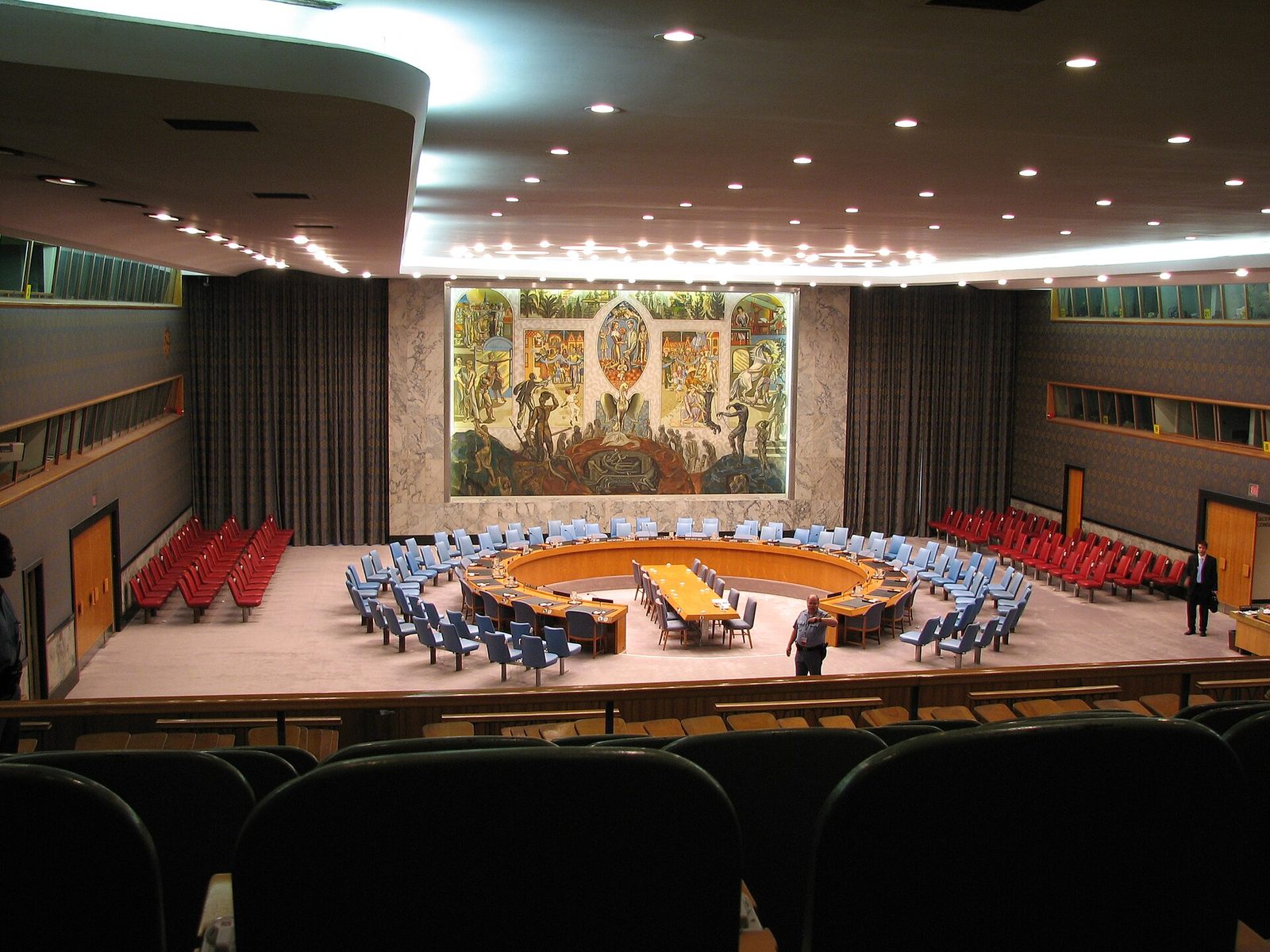
The Iranian ambassador and chargé d’affaires of the Islamic Republic of Iran to the United Nations told the Security Council that “the responsibility for any disruption, obstruction, or interference with navigation in the Persian Gulf and the Strait of Hormuz lies directly with the aggressors.” The Iranian diplomat said the Security Council meeting, titled “Emerging Technologies and Maritime Security: Implications for Peace and Security,” should address real threats while respecting the roles and mandates of relevant institutions. The Iranian ambassador said that on March 4, 2026, an American submarine attacked the Iranian destroyer ‘Dena’ in international waters of the Indian Ocean, causing the “martyrdom of more than 100 Iranian sailors.”
The Iranian ambassador said that by May 23, 2026, CENTCOM announced it had redirected 100 commercial ships and disabled four ships from operation during the naval blockade. The Iranian ambassador also said the naval blockade is “a flagrant violation of Iran’s sovereignty and territorial integrity,” and he urged the Security Council to “explicitly call on the United States to immediately end these illegal measures.”
Bahrain cites technology risks
Bahrain’s Permanent Representative to the United Nations, Jamal Faris al-Ruwaei, told the Security Council that unmanned ships and drones designed to make seas safer “instead put the lives of innocent sailors at risk.” Al-Ruwaei said Bahrain accused the Houthis and Iran of turning emerging maritime technologies into weapons used to attack ships in the Red Sea and the Bab al-Mandeb Strait and to choke the Strait of Hormuz. Al-Ruwaei said Iran “is using remotely operated, remotely controlled unmanned vessels loaded with explosives that target ships in the Hormuz Strait and its surrounding waters.”
Al-Ruwaei warned that “Technological progress must be a bridge between peoples, not a weapon to cut through the arteries of trade,” and he said maritime security can no longer be separated from global connectivity domains including sea, air, and cyberspace. Al-Ruwaei said the divergence was clearest in the Strait itself, where Iran was planting mines while allied naval forces deployed unmanned surface vessels to remove them so the waterway could be reopened.