Britain19 May, 20263 min read
Heidi Alexander Says Britain’s HS2 Costs Up to £102.7bn, Runs Later and Slower
HS2 could cost up to £102.7bn, government confirms. First trains will not run until 2039, several years later than planned.

New HS2 cost and delay
Britain’s HS2 high-speed rail line between London and Birmingham will be more expensive, take longer to make and go slower than previously announced, Transport Secretary Heidi Alexander told the Commons on Tuesday 19 May 2026. Sky News said the project will cost between £87.7bn and £102.7bn (in 2025 prices), with first train services not starting until at least May 2036 and possibly not until October 2039. The same statement set the full HS2 services from Euston to Handsacre junction, north of Birmingham, to begin no earlier than May 2040 and potentially as late as December 2043, while also revising train speeds to 320kph rather than 360kph.
BBC reported that trains will not start running until between 2036 and 2039 and that the trains’ top speed will be reduced from 360km/h (224mph) to 320km/h. BBC also said HS2 could now cost up to £102.7bn, as the government carried out a “reset” of the delayed, over-budget and vastly scaled-back project.
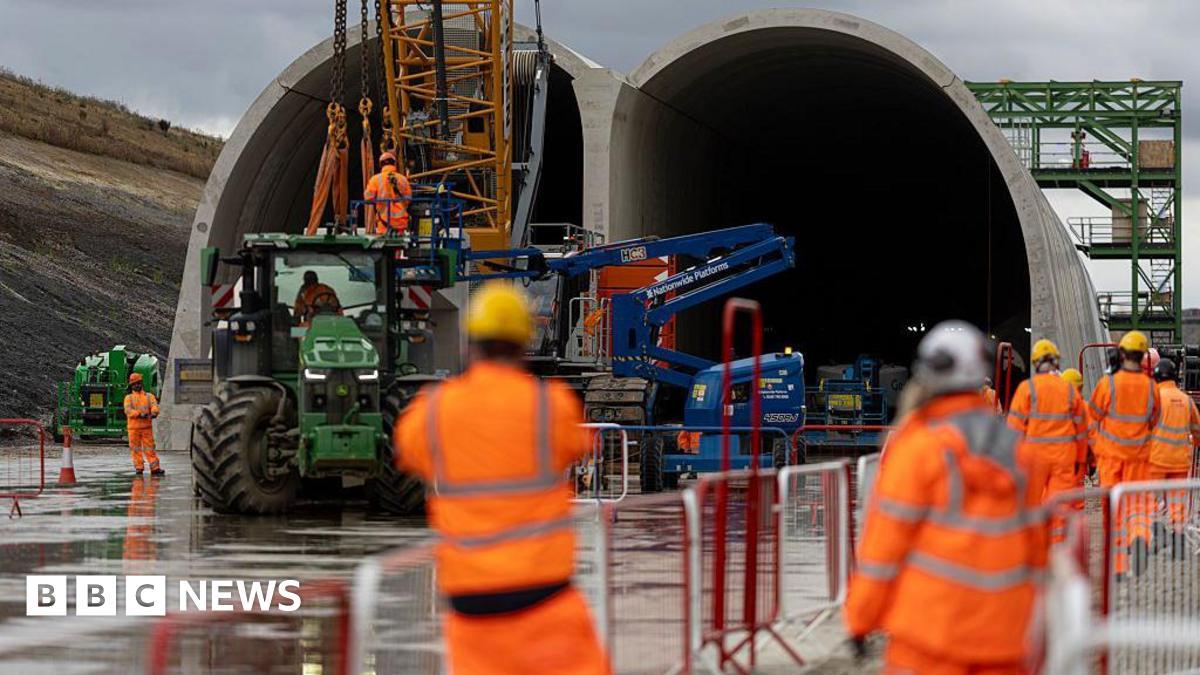
Heidi Alexander’s blame
Heidi Alexander framed HS2 as a symbol of decline, telling MPs that “Instead of signalling the country's ambition, HS2 became a symbol of this country's decline,” and she added that after more than five years of construction and over £40bn spent, the country was “no closer to having an operational HS2 railway than when construction first began.” The BBC echoed the same political framing, saying Alexander told MPs, “Instead of signalling the country's ambition, HS2 became a signal of the country's decline,” while also describing the government’s plan to deliver the project “to completion”. In the Commons, Alexander said the cost increase was driven by “past misunderstanding of the work required”, “underestimation and inefficiency” and “issues within the control of HS2 Ltd, some of its suppliers”, with a third of the rise linked to inflation.
Sky News reported that Alexander said the government was inheriting a “litany of failure” from Labour’s predecessors, and it quoted her warning that “After more than five years of construction and over £40bn spent” the project still was not operational. BBC added that Shadow transport minister Jerome Mayhew accepted the project had not gone to plan and said Alexander and HS2 Ltd should set out “in detail” their plan for saving money and delivering on the new timeline.
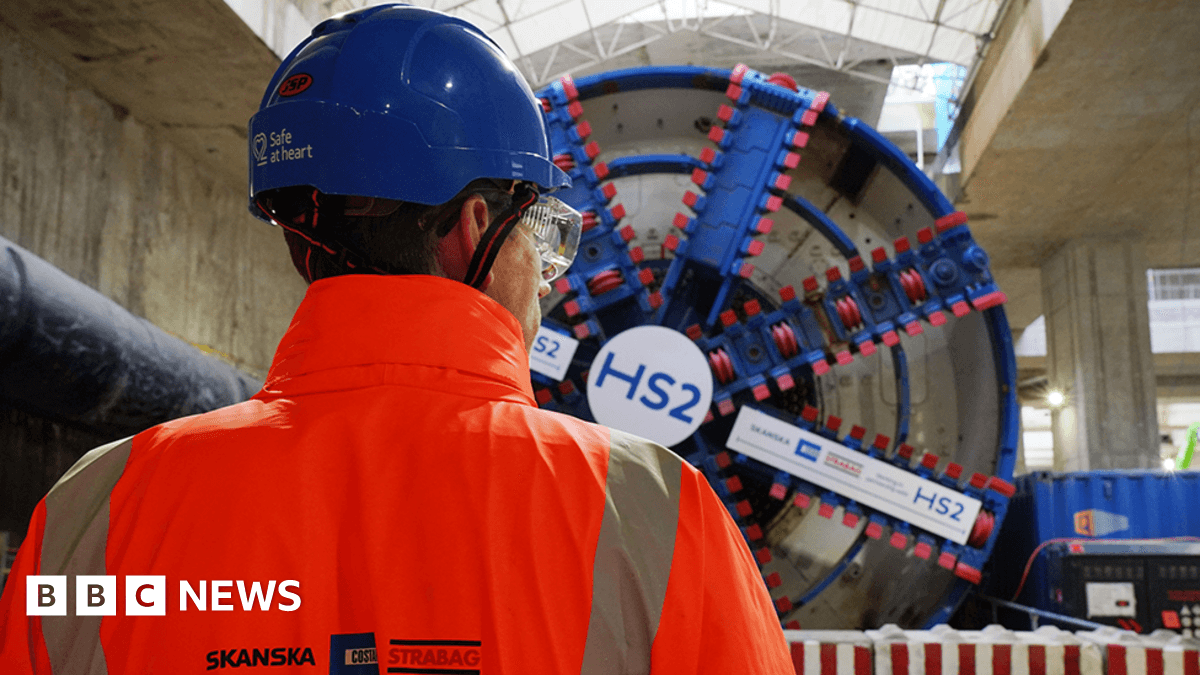
What happens next
The government’s updated plan ties the revised budget and schedule to a speed cut, with BBC saying the change reduces the trains’ top speed from 360km/h (224mph) to 320km/h and that it could save up to £2.5bn. BBC reported that the full service from London Euston to Curzon Street and a connection to the West Coast Main Line is not expected to run until between 2040 and 2043, while trains between Old Oak Common in west London and Birmingham Curzon Street are expected to start between 2036 and 2039. Sky News said HS2 tracks will begin being laid in 2029 and that services between Old Oak Common and Birmingham's Curzon Street are expected to start running between May 2036 and October 2039.
BBC said Alexander confirmed the government could not rule out cancellation on cost grounds, telling MPs, “I can confirm today that it could cost almost as much to cancel the line as it would to finish it, while delivering none of the benefits,” and she vowed “We will deliver HS2 to completion.” The BBC also reported that HS2 Ltd chief executive Mark Wild set a target of delivering the project by 2037 at a cost of £92.2bn, while Wild said the reset was “the only way to regain control of the project” and that the programme had “turned a corner in the last 12 months” with improved productivity.