
Hezbollah Supporters Remain Defiant After Sons Killed Fighting Israel in Kfar Sir
Key Takeaways
- Hezbollah supporters remain defiant after sons killed fighting Israel in southern Lebanon.
- A Lebanese town official buried his son, expressing pride amid Hezbollah's losses.
- Supporters cite long-standing enmity with Israel and Iran backing to justify the fight.
Kfar Sir funerals after strikes
In southern Lebanon, Hezbollah supporters remained defiant as families buried sons killed fighting Israel, with mourners gathering in the town of Kfar Sir after a 10-day truce began on Friday.
“Skip to main content Home Arab Gates Back Arab Gates Algeria Bahrain Djibouti Egypt Iraq Jordan Kuwait Lebanon Libya Mauritania Morocco Oman Palestine Qatar Saudi Somalia Sudan Syria Tunisia UAE Yemen MENA Back MENA African Horn Iran Israel Sahel Turkey Opinion Business Features Contact Us About Us * Privacy Policy Custom Search | Sort by Relevance Date ---|--- Echoes of civil war haunt Lebanon as Israel conflict fuels divisions Internal divisions underpinning Lebanon’s civil war were never reconciled, with an ex-fighter warning Lebanese against turning on each other”
AFP reported that Lebanese town official Sharif Badreddine begged his youngest son not to leave to fight for Hezbollah against Israel in the country’s south, but “as the tearful father buried his child he could not hide a sense of pride.”

Badreddine, 67, told AFP, “Before he left, I told him, 'Don't go, the situation is bad,'” and said he last saw his son six weeks ago.
His son Ahmad, “who was in his twenties with two children,” insisted on leaving, leaving Badreddine to accept his death “as a necessary sacrifice for his homeland.”
Badreddine said, “I am proud of him. He was martyred on the front lines. This is an honor for me,” and added, “He was defending me, all of southern Lebanon, and all of Lebanon.”
The funerals included coffins draped in Hezbollah’s yellow flags, with women in black ululating, weeping, and throwing roses and rice from balconies as the ceremony began.
The truce brought some calm and allowed displaced residents to return and mourn, with AFP describing that Israel conducted huge strikes across Lebanon, including Kfar Sir, and invaded the south after Hezbollah entered the war in support of Iran on March 2, killing more than 2,400 people according to Lebanese authorities.
From March 2 to Washington talks
The funerals and the truce unfolded against a broader escalation timeline described by AFP, which linked Israel’s invasion of southern Lebanon to Hezbollah’s entry into the regional war in support of Iran on March 2.
AFP said Israel conducted “huge strikes across Lebanon, including Kfar Sir,” and invaded the south after Hezbollah entered the Middle East war, with Lebanese authorities reporting “killing more than 2,400 people.”

The ceasefire, AFP reported, came after “unprecedented direct talks between Lebanon and Israel in Washington ahead of future negotiations,” which Hezbollah and its supporters oppose.
Hezbollah supporters in Kfar Sir framed the conflict as a long-running struggle, with Badreddine’s account emphasizing Israel’s repeated invasions since the 1970s, where he said Israel has “launched several invasions since the 1970s.”
AFP also described how the Lebanese government had pushed to disarm Hezbollah at the beginning of March, shortly after the start of the war, while Hezbollah supporters continued to call on “a long-held enmity with Israel, deep religious beliefs and backing from Iran.”
In the same reporting, a Hezbollah supporter, Amena al-Shami, said of her son Hussein Sheaito, “He defended our pride, our dignity, and our honor. He sacrificed himself and offered himself up on the border,” and she added, “I still have two young men to offer as well.”
Hezbollah lawmaker Hassan Fadlallah told AFP that thousands of young men were “demanding to join the ranks” of the group, while AFP reported that after the ceasefire the Israeli army said it had established a “yellow line” in southern Lebanon.
AFP further tied the “yellow line” to Israel’s earlier occupation of “a 20-kilometer-deep strip of land along the border until 2000,” and said Hezbollah vowed to break it through “resistance.”
Voices: pride, warnings, and opposition
Across the reporting, Hezbollah supporters and officials described the war in terms of sacrifice and resistance, while other Lebanese voices warned that the country could slide back toward internal violence.
“Lebanese town official Sharif Badreddine begged his youngest son not to leave to fight for Hezbollah against Israel in the country's south, but as the tearful father buried his child he could not hide a sense of pride”
In Kfar Sir, Badreddine told AFP, “I am proud of him. He was martyred on the front lines,” and said, “These young men did us proud. They forced the Israelis to retreat. The Israelis were unable to achieve their goals.”
Another mourner, Haydar Sbeiti, 68, said of his engineer son Mahmoud, “We have been on this path for a long time,” and added, “He chose this path from a young age, and I encouraged him. I am honored to be the father of a martyr.”
Sbeiti also said he had “three other sons who were defiant and ready to join the fight against Israel,” and declared, “We are all ready to sacrifice ourselves for Lebanon, its people, and the resistance.”
At the same time, Middle East Online carried an account from ex-fighter Ziad Saab, 68, who warned Lebanese not to repeat the experience of the 1975-1990 civil war, saying, “Don’t repeat our experience. Because you’ll be surprised where it will take you,” and “We ripped the country apart.”
Saab described how the civil war erupted in April 1975 when “sectarian and economic tensions boiled over into clashes between Christian gunmen and Palestinian fighters,” and said that “basically brought back the scenes of the whole civil war in seconds” after Israel’s April 8 strikes killed more than 300 people.
Middle East Online also quoted Saab’s warning in the context of the current conflict, describing that the war “has deepened enmity between the Iran-backed group and its domestic opponents,” and that it “pushing Lebanon’s fragile state and society towards breaking point.”
The same article described how Lebanese troops began to confiscate Hezbollah arms gradually after a US-backed government vowed to disarm it, and it said that when Hezbollah fired into Israel on March 2, “some Lebanese blamed it for pulling the country into a new conflict.”
Different frames: unity vs fracture
The two main narratives in the sources emphasize different dimensions of the same conflict: Naharnet’s AFP reporting centers on Hezbollah’s local support and funerary ceremonies in Kfar Sir, while Middle East Online frames the war as a catalyst for renewed internal divisions that echo Lebanon’s civil war.
In Kfar Sir, AFP described mourners waiting for “the Hezbollah-organized ceremony to begin,” with “the men's pictures” hung around the town and coffins reaching the square, where women in black ululated and threw roses and rice from balconies.
AFP also highlighted government pressure to disarm Hezbollah, noting that “the scene showed the entrenched support of Hezbollah that remains in southern towns despite the government banning the group's military activities at the beginning of March.”
By contrast, Middle East Online foregrounded the risk of renewed fighting among Lebanese, quoting Ziad Saab’s warning, “Don’t repeat our experience. Because you’ll be surprised where it will take you,” and describing that “Internal divisions underpinning Lebanon’s civil war were never reconciled.”
The Middle East Online account said the latest war “has deepened enmity between the Iran-backed group and its domestic opponents,” and it described a ceasefire meant to allow peace negotiations between Lebanon and Israel, with the US to host a second round of talks on Thursday.
It also described how the ceasefire “is also sharpening the divide between the government and Hezbollah,” which is “firmly opposed to such negotiations.”
The AFP report, meanwhile, quoted Hezbollah supporter Shami calling the Washington talks “cowardice,” saying, “We will continue on this path to liberate the last inch of Lebanon,” and describing fighters as “unbowed despite being squeezed by the government and Israel.”
Where AFP described a “10-day truce” bringing “some calm” and allowing displaced residents to return, Middle East Online described the ceasefire as leaving key issues unaddressed, stating that it “neither requires Israeli troops to withdraw from Lebanon nor explicitly demands Hezbollah’s disarmament.”
Escalation, evacuations, and humanitarian warnings
Beyond the truce and funerals, Al Jazeera’s Arabic-language report described an escalation of Israeli air raids and drone-related activity across Lebanon, including the southern suburbs of Beirut and the city of Sidon, while Lebanese officials warned of a humanitarian catastrophe.
“Skip to main content Home Arab Gates Back Arab Gates Algeria Bahrain Djibouti Egypt Iraq Jordan Kuwait Lebanon Libya Mauritania Morocco Oman Palestine Qatar Saudi Somalia Sudan Syria Tunisia UAE Yemen MENA Back MENA African Horn Iran Israel Sahel Turkey Opinion Business Features Contact Us About Us * Privacy Policy Custom Search | Sort by Relevance Date ---|--- Echoes of civil war haunt Lebanon as Israel conflict fuels divisions Internal divisions underpinning Lebanon’s civil war were never reconciled, with an ex-fighter warning Lebanese against turning on each other”
It said Israeli airstrikes targeted areas including “the southern suburbs of Beirut (Dahiyeh) and Sidon,” and described “official warnings of a 'humanitarian catastrophe'.”
The report also said Israeli media reported that Bezalel Smotrich’s son, who serves in the Givati Brigade, was injured in southern Lebanon, and it cited Walla News saying Smotrich’s son was wounded while taking part in fighting on the border with Lebanon.
In Sidon, Al Jazeera reported an airstrike targeted “the second-to-last floor in the al-Maqasid building” on a crowded main street without warning, causing extensive destruction, killing 5 people and injuring 7, according to the Lebanese Health Ministry.
The report said Hezbollah announced shelling the “Blat al-Mustahdath” site with a swarm of attacking drones, claiming “direct hits,” and it also announced shelling the Zrreit garrison with a rocket barrage in response.
It further described Hezbollah issuing dawn warnings to residents of Israeli towns within 5 kilometers of the border to evacuate immediately, and it quoted Hezbollah’s Telegram statement: “Your army's aggression against Lebanese sovereignty and the safe citizens, and the destruction of civilian infrastructure and the displacement campaign it is carrying out, will not pass without a response.”
On the humanitarian side, Al Jazeera reported that Prime Minister Nawaf Salam warned of an imminent humanitarian catastrophe due to displacement of thousands, and it quoted him saying, “We did not choose this war; we work with our friends to stop the escalation and to protect our country.”
The report added that in Geneva UN High Commissioner for Human Rights Volker Türk expressed concerns about the “wide-scale evacuation warnings” issued by the Israeli army for southern Lebanon and the southern suburb of Beirut, explaining that these orders concern “hundreds of thousands of people” and raise “grave concerns,” especially regarding forcible transfer.
More on Lebanon
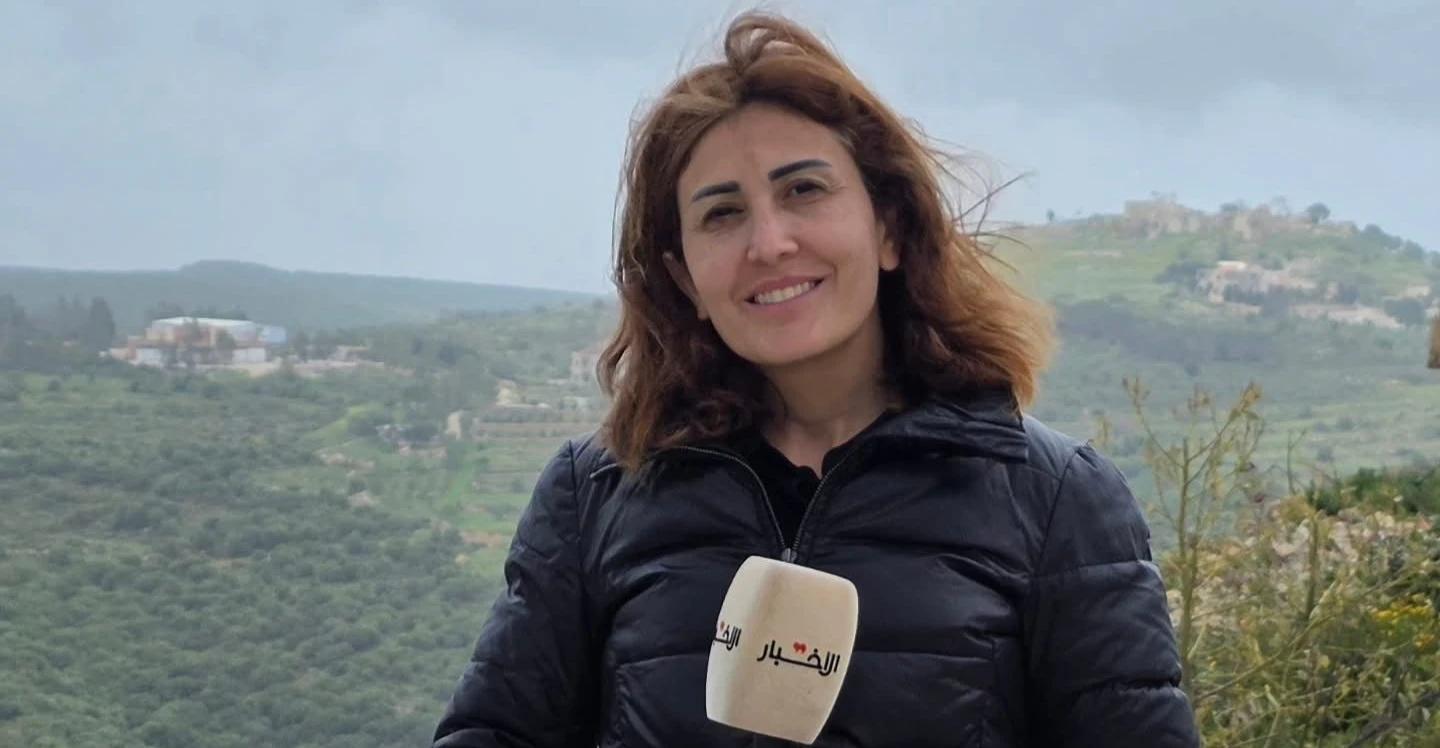
Israeli Strikes Kill At Least Four In At-Tiri, Lebanon, Leaving Journalist Amal Khalil Trapped
17 sources compared
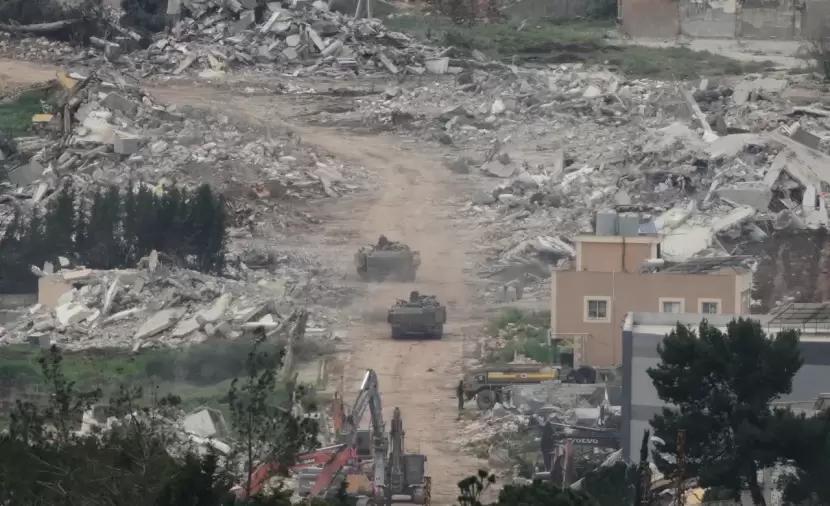
Israeli Forces Launch New Demolition Operations in Shamaa After April 17 Cease-Fire
10 sources compared
Israel Jails Soldiers After Sledgehammer Vandalism of Jesus Statue in Debl, Lebanon
29 sources compared
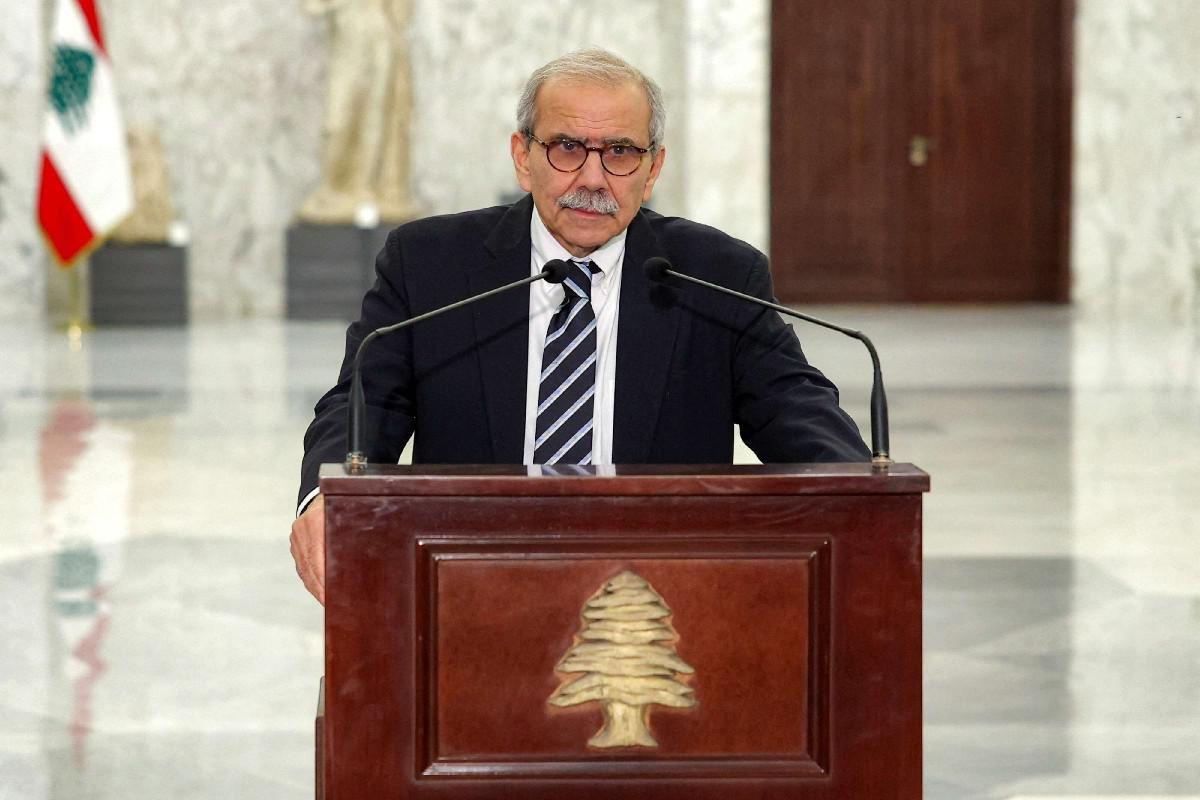
Macron Meets Nawaf Salam at Élysée Palace to Push Lebanon Ceasefire and Territorial Integrity
36 sources compared