Full story
Houthi strikes lift oil
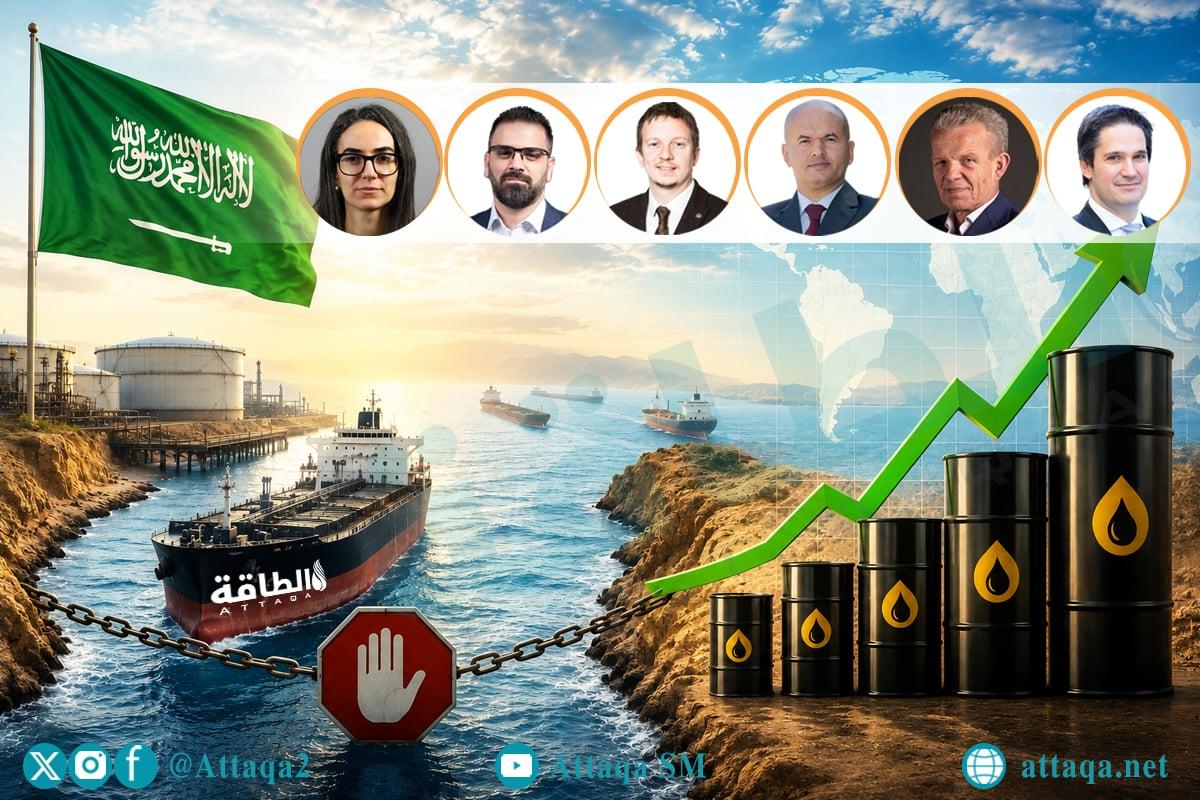
Oil prices surged Thursday after Yemen’s Houthi allies claimed strikes on Saudi tankers in the Red Sea, widening risks to energy supplies already disrupted by a near halt to shipping in the Strait of Hormuz.
Brent crude rose to $100 a barrel for the first time since May, and NBC News said Brent closed higher by 7% at $100.69 per barrel.
NBC News reported U.S. crude oil closed higher by 6.2% at $92.19 per barrel, its highest close since June 4, after the Houthi claim to have hit two Saudi oil tankers.
The Washington Post said the violence raised fears of greater supply disruptions as Brent crude rose to $100 a barrel Thursday for the first time since May, an increase of about 40 percent this month.
The Washington Post also said Iran’s Houthi allies in Yemen claimed strikes on Saudi tankers, with at least one Saudi oil tanker attacked in the Red Sea.
Threats and counter-threats
The escalation drew direct threats from U.S. and Iranian officials after the Houthi strikes, with France 24 reporting that President Donald Trump said the United States would hold Iran responsible and warned both would soon receive a "major military punishment".
France 24 quoted Iran’s army spokesperson Mohammad Akraminia saying, "The armed forces' retaliatory attacks will continue as long as the US attacks on the country's infrastructure and coastal areas continue," as the conflict resumed this month after a ceasefire that had lasted just a few weeks.

CNBC reported Trump told Axios he was "considering a massive attack" against Iran, adding, "Bigger than ever before. I am close to making a decision. We are all set for it," after the tanker attacks.
CNBC also said the president subsequently told Axios that he was "considering a massive attack" and that the U.S. would hold Iran responsible for any future Houthi attacks in the Red Sea.
France 24 said the UN Secretary-General Antonio Guterres warned, "The situation is getting out of control. It is teetering on the edge of the unimaginable," as world leaders expressed alarm.
Shipping chokepoints at risk
The Red Sea threat compounds the shock from the Strait of Hormuz closure, with NBC News saying traffic through the strait remains largely at a standstill with ship crossings there falling to single digits Tuesday.
NBC News said about 12% to 15% of global maritime trade worth more than $1 trillion transits the Bab el-Mandeb strait every year, and it described the Houthi threat as unsettling because millions of barrels per day pass through the waterway to reach global markets.
France 24 reported UKMTO said the master of a tanker reported being hit by an unknown projectile about 70 nautical miles southwest of Al Shuqaiq, causing a fire, and Saudi Arabia confirmed the Encelia had been struck.
CNBC added that the tanker attacks forced the Caspian Pipeline Consortium to stop loading crude at its Black Sea terminal, and it said about 80% of Kazakhstan's crude is exported through that pipeline.
CNBC warned that the duration of closure remains uncertain and that alternate routes for Kazakhstan are limited, meaning production (1.7 mb/d in June) could face shut-ins.