Full story
Houthis hit Saudi tankers
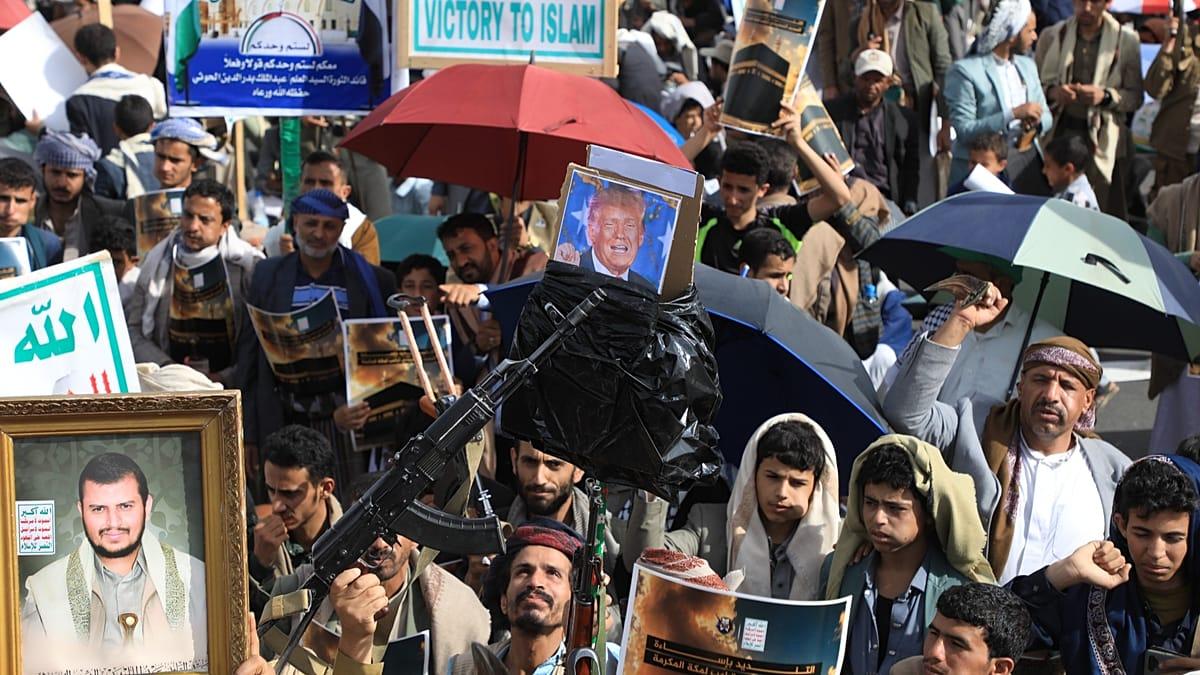
Yemen’s Iran-aligned Houthis claimed they attacked two Saudi oil tankers transiting the Red Sea, naming Encelia and Layla, and said they targeted them for “violation of the blockade decision issued by the armed forces.”
Houthi military spokesperson Yahya Saree said the attacks were carried out “using a number of ballistic and cruise missiles, as well as drones”, and led to fires on the ships.
The Saudi Press Agency reported that the Encelia had been hit, citing an official source at Saudi Arabia’s Transport General Authority, and said that all crew members were safe.
The United Kingdom Maritime Trade Operations (UKMTO) centre said it had received reports that a tanker was struck and that the master reported being struck by an unknown projectile which caused a fire onboard that the crew were currently fighting.
The Houthis, officially known as Ansar Allah, imposed a maritime blockade on Saudi Arabia on July 20, after the Yemeni government bombed the Houthi-controlled Sanaa airport to stop an Iranian plane from landing, according to the account in Al Jazeera.
Trump threatens punishment
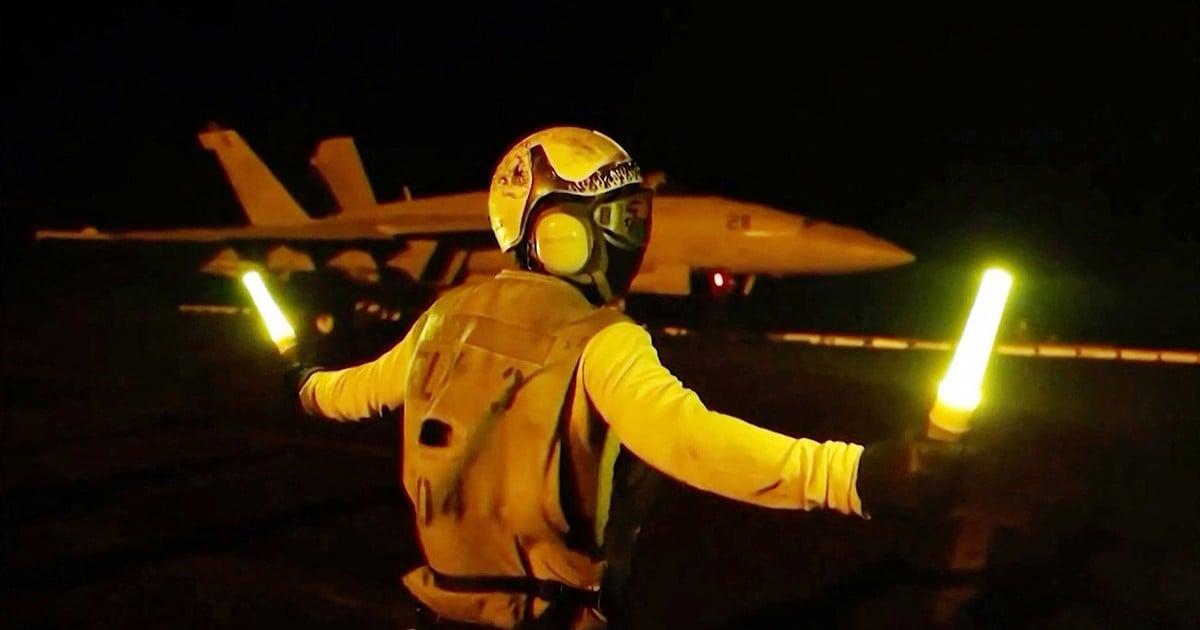
US President Donald Trump threatened “major military punishment” against the Houthis if their attacks on ships continue, writing, “If they do this again, the U.S. will hold Iran responsible, in that the Houthis are a Surrogate and/or Proxy of Iran.”
The BBC reported that Yemen’s Iranian-backed Houthi movement said its forces attacked two Saudi oil tankers in the Red Sea that had “violated” its blockade of Saudi ports, as the US carried out a 12th consecutive night of strikes on Iran.

The BBC said the official Saudi news agency confirmed that one tanker was hit late on Wednesday, causing a fire, and that US President Donald Trump warned the Houthis on Thursday that the US would inflict “major military punishment” upon both them and Iran.
The BBC also quoted Houthi military spokesman Yahya Sarea saying the group targeted the Saudi-flagged tankers Encelia and Layla with missiles and drones, and that the Houthis would “continue their naval operations against the Saudi enemy.”
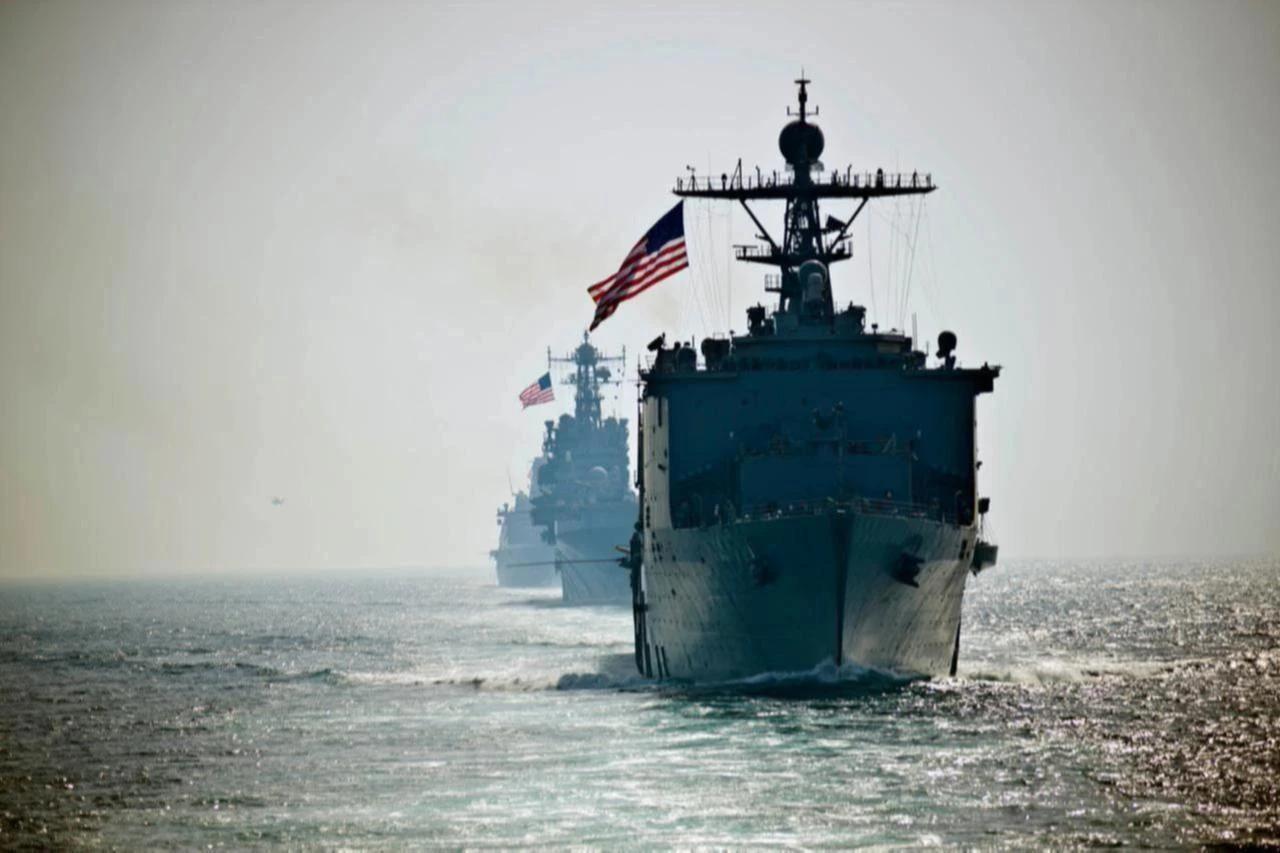
In parallel, DW said Germany’s navy expected to move two vessels from the Red Sea region to the eastern Mediterranean in the coming days, citing “the volatile political situation... and the absence of any foreseeable near-term start of operations” in the Strait of Hormuz.
Shipping and energy at risk
The attacks and blockade claims threatened to widen disruption to global energy supplies and maritime trade, with AP saying the Houthis threatened to shut down another key trade route as the world economy already reeling from Iran’s closure of the Strait of Hormuz.
AP reported that the price of Brent crude spiked more than 6% Thursday to about $100 a barrel, and said the U.S. military announced the 13th night of strikes against Iran as clashes escalated over shipping routes.
KSL News said Brent crude reached $100 a barrel while West Texas Intermediate exceeded $90 for the first time since June 11, and quoted Pepperstone research strategist Ahmad Assiri saying the outlook remained supportive as markets price a worrying probability of supply interruptions in a second chokepoint.
The Guardian said the Houthis claimed they had forced about 10 ships to retreat and return, and reported that the threat of a new front opening up in the US-Iran war came as the US military launched its 12th successive night of strikes.
DW added that the German Defense Ministry said pulling the ships was due to “the volatile political situation... and the absence of any foreseeable near-term start of operations,” and that keeping the vessels deployed indefinitely “represented a strain on their technical systems.”