Iran-Israel21 October, 20252 min read
Houthis Detain Then Release UN Staff After Raiding UN Compound in Sanaa
Houthi rebels detained 20 UN staff, including 15 international and 5 Yemeni employees, in Sanaa. Houthis raided the UN compound, confiscated communication equipment, and accused staff of espionage.

25 outlets told this the same way.
Outlets did split on U.S. Intercepts Iran Message Activating Sleeper Cells After U.S.-Israel Strike Kills Khamenei →
UN Staff Detentions in Yemen
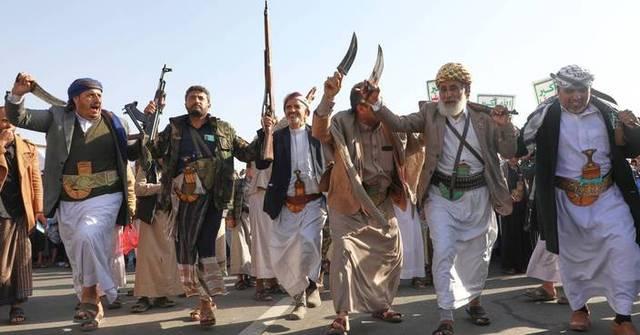
Over the weekend, Houthi forces raided a UN facility in Sanaa’s Hada district, detaining roughly 20 to 24 personnel and seizing all communications equipment. Multiple outlets describe this as part of a widening crackdown on UN and aid groups. Accounts differ on exact numbers, but consistently note a broader pattern in recent months.
“Houthi forces raided a UN facility in Sanaa's Hada district, detaining around two dozen UN employees... The Houthis also confiscated communication equipment.”
Over 50 UN staff have been detained overall as part of intensified restrictions in Houthi-controlled areas including Sanaa, Hodeidah, and Saada. The Houthis accuse UN personnel of espionage for the US and Israel, allegations the UN rejects. Earlier raids and arrests targeted staff from agencies such as WFP, UNICEF, and OCHA.
UN Staff Detention Updates
Within 48 hours, several outlets reported partial de-escalation inside the compound. Five Yemeni UN staff were released and 15 international staff were allowed to move freely. Other reports said all 20 detained inside were released, including UNICEF’s Yemen representative Peter Hawkins.
There is an explicit contradiction over who remains in custody. Some sources report the 20 were freed while at least 53 other UN aid workers, mostly locally recruited, remain arbitrarily held elsewhere. Other outlets state that 20 UN staff still remain detained by the Houthis.

UN Actions Amid Security Issues
The UN response has included relocating senior leadership and some operations from Sanaa to Aden. It has also suspended activities in Saada and negotiated to regain control of facilities and free detainees. Outlets differ on the timing and scope of these actions.
“The UN Office for the Coordination of Humanitarian Affairs moved its headquarters from Sanaa to Aden in mid-September due to deteriorating security in Yemen.”
Some note that OCHA’s headquarters shifted in mid-September amid deteriorating security. Others trace suspensions and moves to earlier arrests by the Houthi group.
UN leaders have condemned the espionage accusations as dangerous and unacceptable. They are also engaging regional states to press for the release of detainees.
Crackdown and Aid Challenges
The crackdown’s severity is highlighted by confiscated communications equipment, widespread detentions, and the death of a World Food Programme worker in custody earlier this year. Western mainstream outlets report both the scale—over 50 detained—and the operational impacts of the crackdown.
Regional outlets emphasize the espionage allegations and the extensive restrictions across Houthi-controlled cities. Across sources, the UN denies any spying activities and consistently highlights the humanitarian risks to ongoing aid operations.
Detentions Amid Regional Conflict
Several outlets place the detentions against a regional backdrop.
“Houthi leader Abdelmalek Al Houthi's claim of dismantling a spy cell linked to humanitarian groups like the World Food Program and UNICEF.”
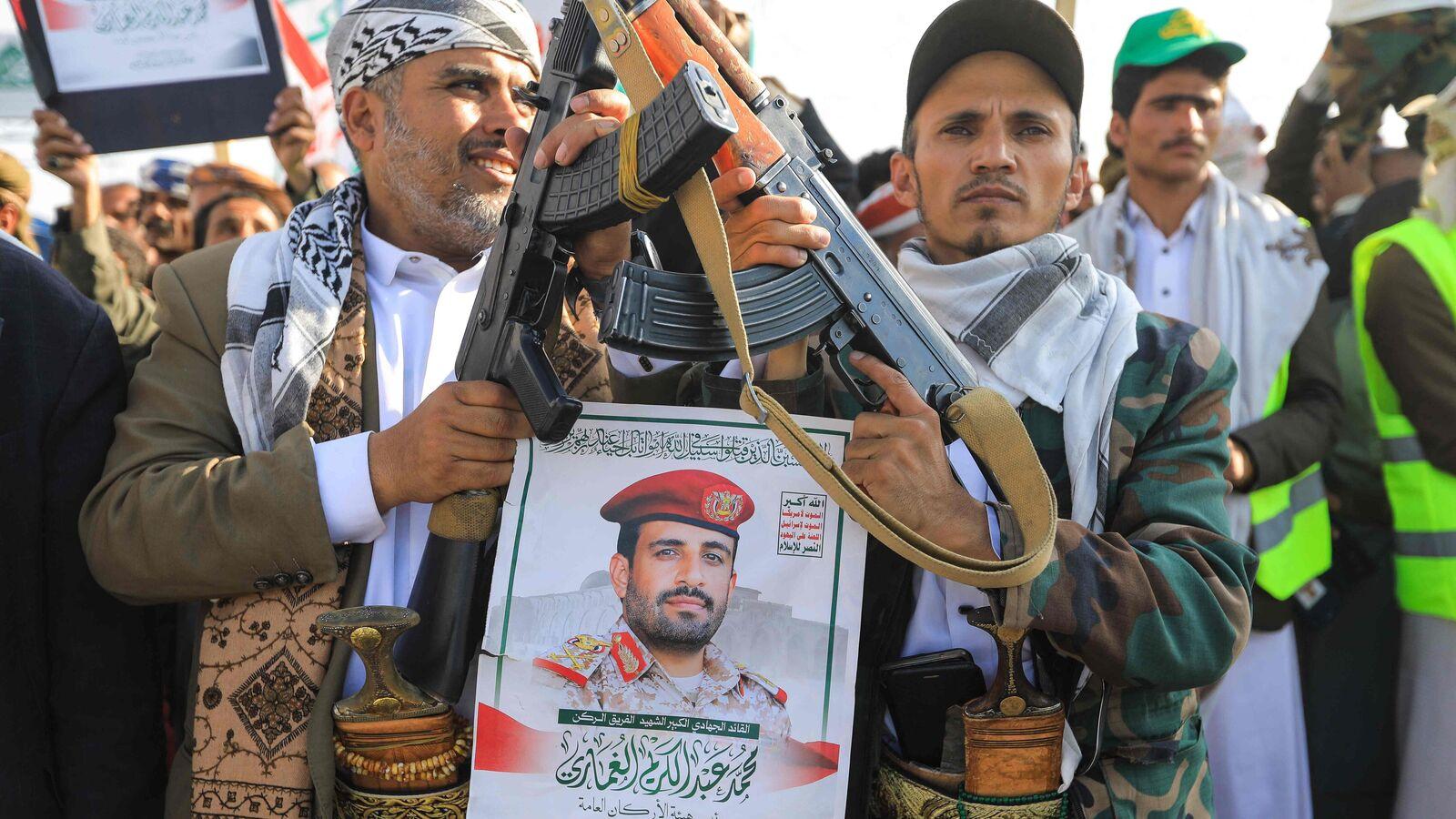
Recent Israeli strikes killed senior Houthi figures, including the group’s military chief of staff, Maj. Gen. Muhammad (Abdul Karim) al‑Ghamari.
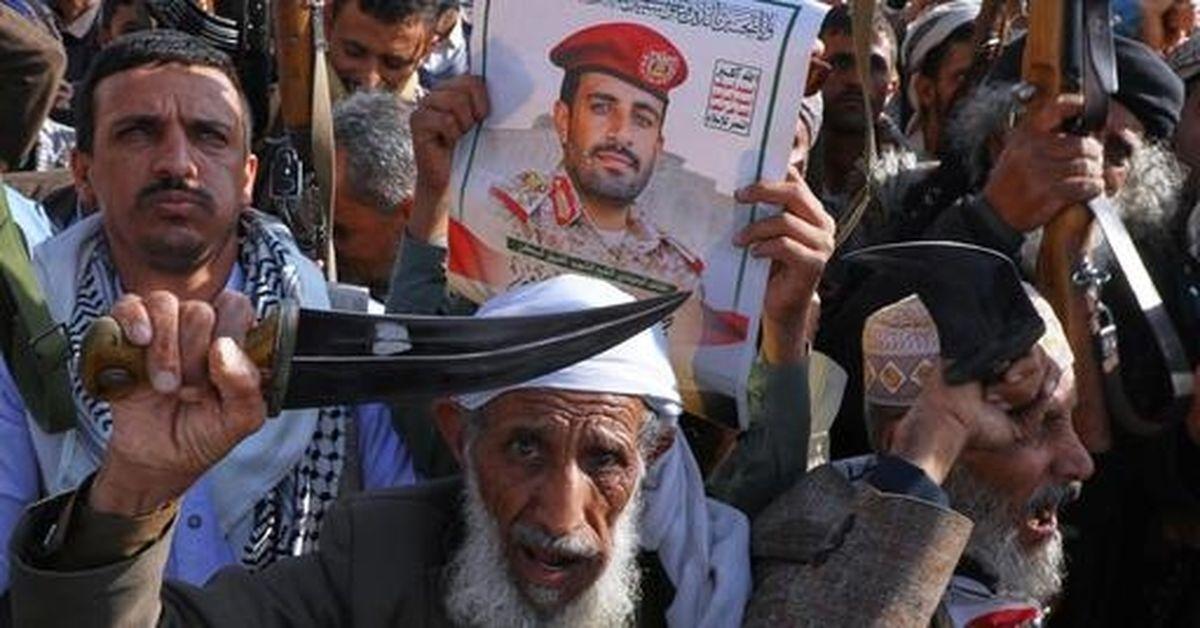
These strikes prompted funerals and vows of revenge, fueling Houthi narratives that UN staff aided Israel.
Houthi leader Abdelmalek al‑Houthi has claimed a spy cell linked to aid agencies.
Others note Houthi actions at sea and a broader pattern of pressure on international organizations.
Not all Western mainstream reports draw these links, instead centering operational impacts and humanitarian risks.