Other10 August, 20263 min read
Hundreds of Migrants Overrun Ceuta Reception Center After Late July Sea Crossings
This article is an automated aggregation of coverage from news outlets. Our editorials offer in-depth analysis curated by the NewsCord team.
Hundreds of migrants overran Ceuta’s reception center following late July sea crossings. Many migrants, including children, lacked food, water, shelter, and faced extreme heat.
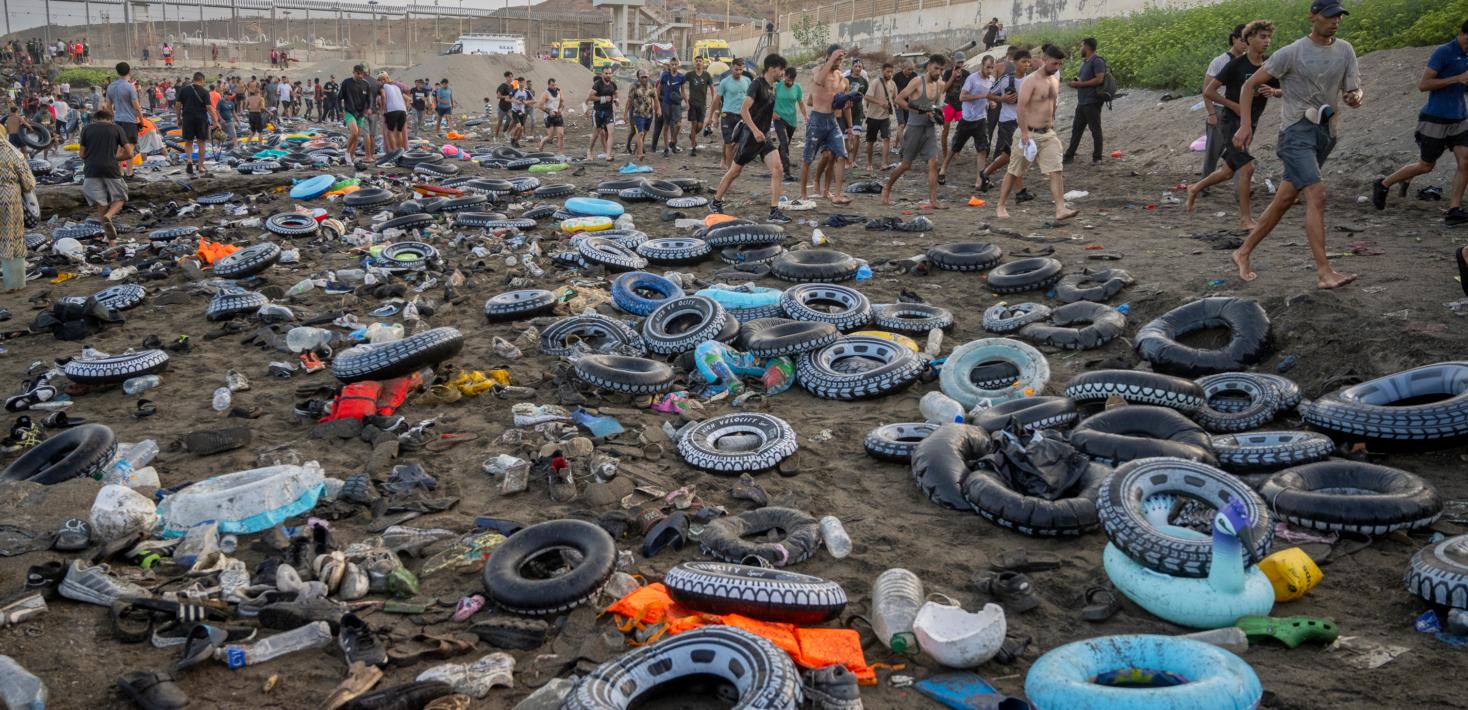
Ceuta reception overwhelmed
Hundreds of people lay on the ground around Ceuta’s temporary migrant reception center, perched on a hill overlooking the city, as Saad, a 21-year-old Moroccan, said he crossed into Ceuta in late July after social media posts claimed Spain would not be able to send back anyone who reached Ceuta by sea.
Saad described his motivation as helping his family, saying, “Everything I earned went straight back to supporting my family, but I struggled just to help them survive. That’s why I decided to come to Ceuta,” and he said he was now sleeping in the forest near the center.

The New Lines Magazine account said the reception center has an official capacity of 512 people but was operating well beyond that limit, with around 731 people already inside, while thousands more camp outside.
The Guardian reported that Imad, 26, said, “We’re sleeping here on the beach, out in the open, without tents or blankets,” as the enclave’s shops and markets reopened and residents resumed daily routines.
The Guardian also said the Spanish government estimated about 72,000 people crossed into Ceuta and about 2,500 remained, while Vivas believed about 80,000 had entered with between 3,000 and 5,000 still in Ceuta.
Crossing chaos and locked doors
Ashraf, a 28-year-old Moroccan who arrived in Ceuta with a friend late on July 30, said, “The Moroccan police were pushing us into the water and telling us, ‘Swim, swim.’”
He said he expected a different reception, telling New Lines Magazine, “I thought they would welcome us in Ceuta, but, as you can see, the reality is that we are sleeping on the street. I have been going hungry for two days. There is nothing, absolutely nothing.”
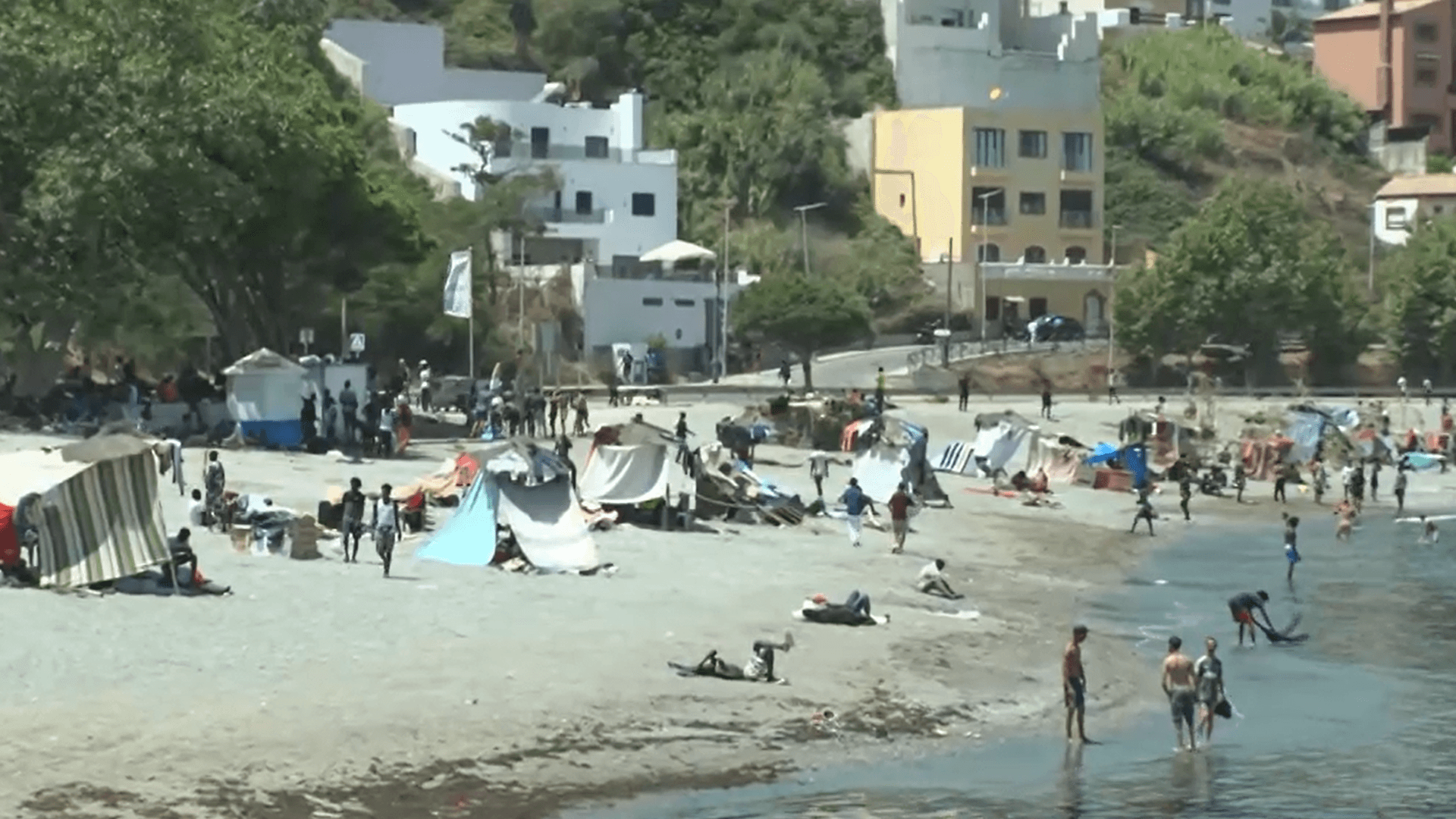
The Guardian described how Imad arrived after an eight-hour, flipper-powered swimming odyssey and said, “We found the reception centre for migrants closed. There were no exceptions for anyone; all the doors were locked.”
Imad said he had nightmares every day, telling the Guardian, “I dream that my family is being bombed, that they are killed, or that I’m deported to Morocco,” and he said, “Psychologically, I’m shattered.”
The Guardian reported that the precise number of people killed in the crossing remains murky, with estimates as high as 141, and it said dozens of people remain missing.
Human rights demands and aid
A statement from the Moroccan human rights organizations under the umbrella of the Euro-Mediterranean Authority for Rights renewed calls for investigations into deaths, injuries, and violations tied to collective migration operations toward Ceuta and Melilla, and it urged an immediate halt to all returns carried out by Spanish authorities. The rights groups said they were calling for “urgent medical and humanitarian care to the injured” and demanded “an immediate halt to all returns carried out by the Spanish authorities,” while also urging protection for women and minors and vigilance against gender-based discrimination. El Español described a network of Spanish Muslim women of Rif origin led by Sabah Hamed that turned houses into aid centers, and it quoted Sabah Hamed saying, “Yesterday we fed more than 1,000 people, today it will probably be more…,”.
El Español also quoted Suhad Mohamed, 44, saying, “We feel mistreated and forgotten by institutions, what we do is the Government’s responsibility; they should provide a solution,” as the article described improvised aid with bunk beds turned into storerooms and a ground floor reserved for women. Cuatro reported that in Ceuta’s multi-sport pavilion there were “more than 200 migrants sheltered there while awaiting a solution,” and it said Red Cross teams approached those places with the National Police organization to provide food to migrants.