Europe18 July, 20263 min read
Hungary’s Parliament Passes Constitutional Amendment To Remove President Tamás Sulyok
This article is an automated aggregation of coverage from news outlets. Our editorials offer in-depth analysis curated by the NewsCord team.
Parliament passed a constitutional amendment to remove President Tamás Sulyok immediately. The measure won a two-thirds majority, 139 votes for and 6 against.
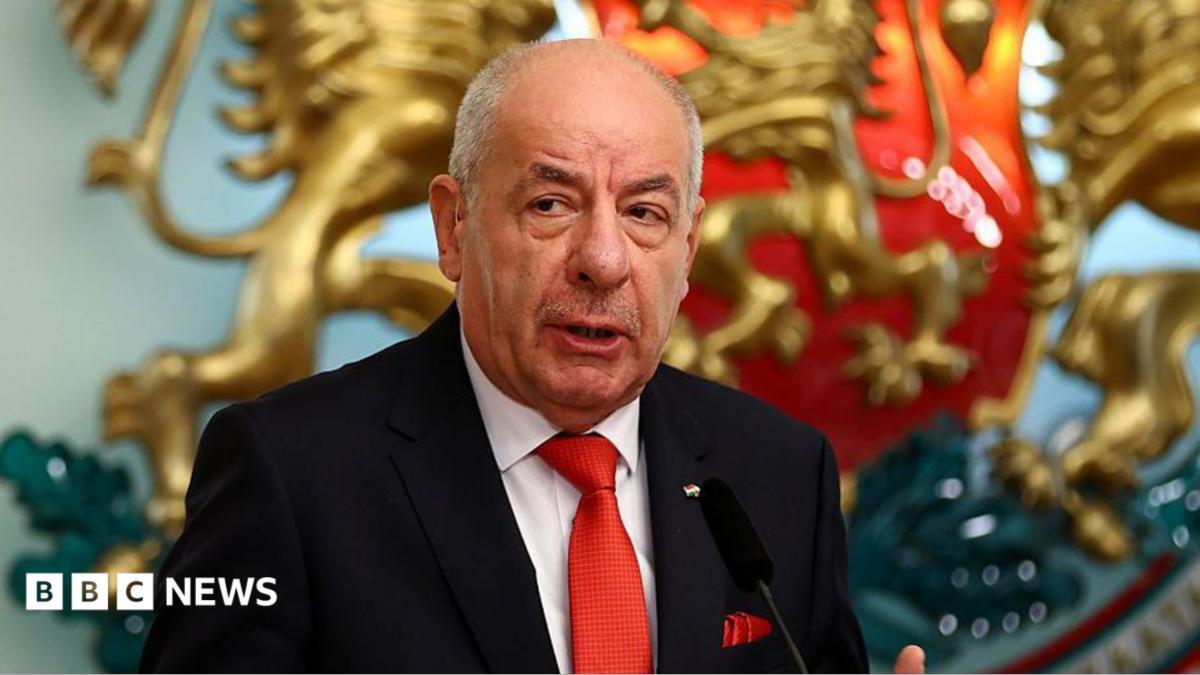
Hungary removes Sulyok
Hungary’s Parliament passed a constitutional amendment aimed at removing President Tamás Sulyok, with the vote recorded as 139 for and six against, as Prime Minister Péter Magyar’s Tisza party moved to dismantle the political system associated with Viktor Orbán. ABC News said Magyar told lawmakers that it marked “a significant day in the history of modern Hungary and the transition to democracy,” while POLITICO reported the 17th amendment “easily surpassed the two-thirds voting majority needed for constitutional change.” The amendment passed after Fidesz and its allied KDNP boycotted the parliamentary session, and Sulyok was given five days to sign the amendment into law or face impeachment proceedings if he does not.
Al Jazeera described the measure as ending Sulyok’s largely ceremonial term immediately and paving the way for Parliament to elect a new president. The amendment also introduced judicial reforms, created a body to investigate alleged financial abuses under the previous government, and imposed a 12-year term limit on lawmakers.

Boycott and competing claims
Fidesz lawmakers boycotted Monday’s parliamentary session, and ABC News reported that Orbán posted a photograph of Magyar on Facebook with the subtitle “Democratic Hungary: 1990-2026.” POLITICO said Magyar accused Sulyok of choosing “the interests of Fidesz,” while Sulyok told POLITICO he is independent and warned that forcing his removal would spark a “constitutional crisis.” Euronews said Prime Minister Péter Magyar accused Sulyok of being Orbán’s puppet, and it quoted Magyar saying, “He should have defended constitutionality when one of its most important foundations was at risk.”
Euronews also quoted Sulyok’s statement on Sunday, warning: “The question is whether this force will sweep away internationally recognised and accepted principles of the rule of law.” In the same dispute, Al Jazeera reported that the president and other members of Fidesz boycotted the parliamentary session, while Magyar said Parliament would launch an impeachment procedure if Sulyok did not sign.

What changes next
After the constitutional amendment, Sulyok has five days to sign it, and if he refuses, Magyar said Parliament would begin impeachment proceedings, with Al Jazeera stating the amendment would immediately bring an end to Sulyok’s term and pave the way for a new president. POLITICO reported that the reform also introduces a 12-year term limit for lawmakers and establishes a National Asset Recovery and Protection Office to prosecute corruption, while Euronews said the plan is part of Magyar’s “purgatorium” to dismantle the political legacy of Viktor Orbán. Euronews quoted legal expert Tamás Lattmann warning that the Constitutional Court “may determine that Tamás Sulyok did indeed violate the constitution” but could leave him in office despite finding he acted unconstitutionally.
ABC News added that the amendment also implements reforms to the judiciary and creates a new authority tasked with uncovering alleged financial abuses by Orbán’s government, and it said Sulyok is responsible for signing legislation into law and can send bills passed by Parliament to the Constitutional Court for review. Euronews framed the fight as a first political test for Tisza, and it reported that Sulyok argued the move could plunge Hungary into a constitutional crisis if Parliament cuts short his mandate.