
Hussein Mousavian Proposes American Mediation to End Iran-Israel Threats
Key Takeaways
- Hussein Mousavian proposed U.S.-backed mediation between Iran and Israel.
- The proposal is treated as highly sensitive within Iran's internal discourse amid leadership criticism.
- Media coverage frames Iran-Israel tensions amid ongoing U.S. negotiations and prospects of a ceasefire.
Mediation Taboo
Former Iranian diplomat Hussein Mousavian, who resides in the United States and is a researcher at Princeton University, proposed American mediation to end mutual threats between Iran and Israel as a gateway to a comprehensive and lasting agreement between Tehran and Washington.
“Intermediation between Iran and Israel”
Mousavian argued in an interview with Euronews that any long-term understanding between Iran and the United States “will not be viable unless it is accompanied by an end to the security, military and existential threats that Iran and Israel pose to each other.”

The proposal collides with what the article describes as taboos in Iran’s internal discourse, where Israel is portrayed in official discourse as a symbol of enemies, assassinations and evil, and the punishment for normalization, contact, or support for Israel could even be death.
The article says Mousavian’s proposal has not sparked broad discussion inside Iran, and it links the sensitivity to the risk of raising Israel in media or official political space.
It also notes that the debate resurfaced in recent weeks with divergent American and Israeli positions on southern Lebanon, making a ceasefire between Iran and the United States more fragile.
Ceasefire vs War
Dr. Tarek Al-Bardisi, a professor of international relations, said on Youm7 TV that the latest developments between Iran and Israel point to a temporary ceasefire rather than a final halt to the conflict.
Al-Bardisi said that Israeli Prime Minister Benjamin Netanyahu’s statements that the war has not ended yet carry political and military messages simultaneously, aiming to underscore the continuation of Israel's deterrence policy and readiness to respond to future Iranian moves.

He added that Iran is trying to balance between clinging to the diplomatic path and not appearing as the weak party, explaining ongoing talk about negotiations alongside reaffirming its right to militarily respond if attacked.
The article says the current scene reflects managing the conflict more than resolving it, and that the coming period will reveal whether involved parties succeed in stabilizing de-escalation or whether the region will witness a new round of escalation.
In parallel, the Mont Carlo International article says the exchange of attacks between Iran and Israel has not affected the ongoing war in Lebanon or the US-Iran negotiations, and that the halt of attacks has not dispelled tensions in the Gulf region.
U.S.-Israel Friction
Vice President J. D. Vance told Fox News that the United States and Israel have shared interests but also some divergence in their interests amid reports of escalating tensions between President Donald Trump and Israeli Prime Minister Benjamin Netanyahu over the Iran war.
“This debate has circulated widely in recent days among some Gulf and Arab intellectuals, and its gist is this question: What if an alternative regime came to power in Iran after the fall of the system of the Guardianship of the Jurist (velayat-e faqih) and its Revolutionary Guards, based on a secular nationalist foundation, and formed an alliance with Israel against the Arabs, especially Saudi Arabia and some Gulf states”
Vance said the president was very clear that the United States' main objective with regard to Iran is to ensure that Iran does not have a nuclear weapon, and he added that “whether Israel likes it or not, ultimately this serves the United States' interests.”
The article says recent American intelligence reports raised concerns about Israeli espionage attempts against American officials, and that among those under surveillance were Elbridge Colby and American envoy Steve Witkov.
It adds that as tensions between American and Israeli officials over how to handle negotiations with Iran rose, the U.S. Department of Defense raised its level of engagement with Israel as a priority in counterespionage.
The article also quotes Vance saying negotiations show signs of progress, that Iran has begun to raise real issues at the negotiating table, and that he regarded a prolonged war as not serving Tehran's interests.
More on Iran
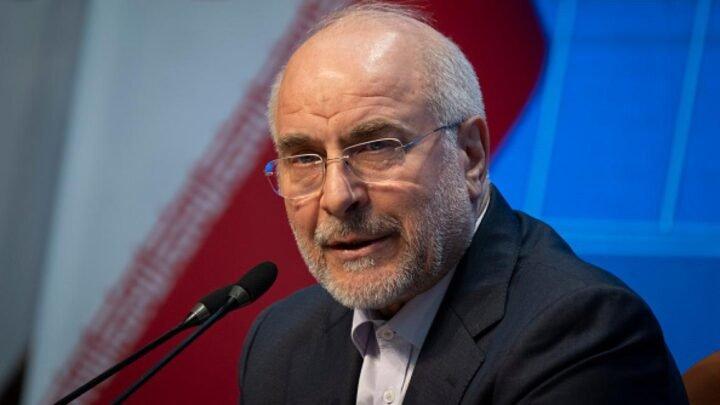
Iran Condemns Donald Trump’s One Shot Threat Against Ali Khamenei Funeral Leaders
11 sources compared
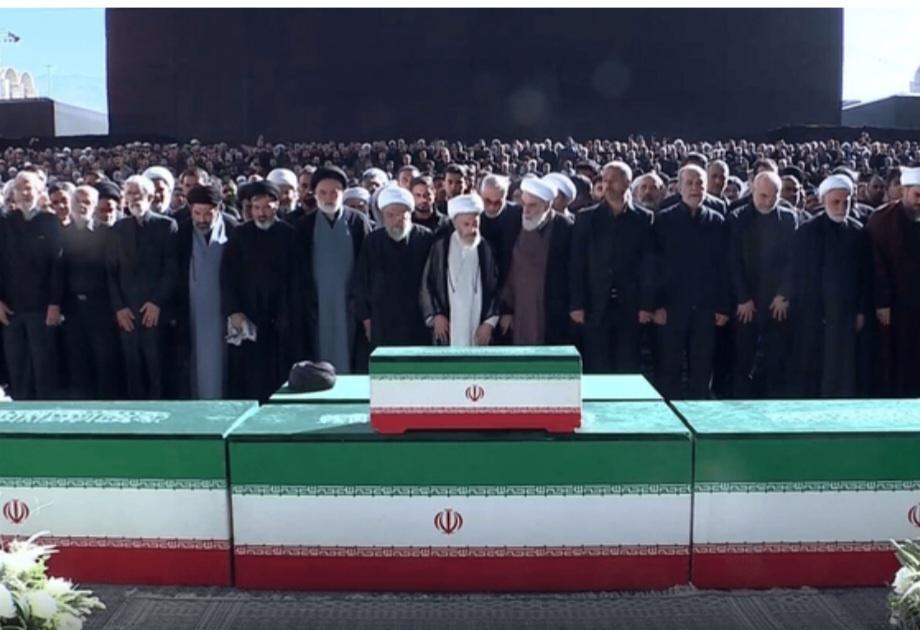
Iran Holds Week Of Ceremonies For Ayatollah Ali Khamenei Funeral In Tehran After US-Israeli Airstrike
12 sources compared
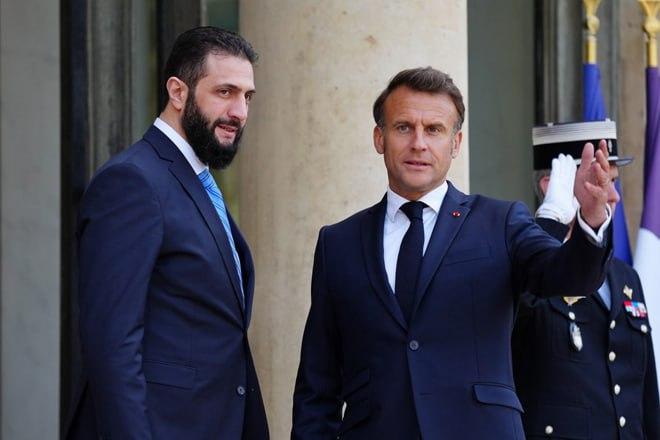
Emmanuel Macron Expected To Visit Damascus To Reinforce Economic Cooperation With Syria
24 sources compared

Trump Tells Axios Netanyahu Knows Who the Boss Is Ahead of White House Meeting
18 sources compared