Crime24 July, 20263 min read
ICC Assembly Removes Prosecutor Karim Khan After Sexual Misconduct Vote in New York
This article is an automated aggregation of coverage from news outlets. Our editorials offer in-depth analysis curated by the NewsCord team.
82 of ICC’s 125 member states voted to dismiss Karim Khan. The extraordinary session occurred at the United Nations Headquarters in New York.
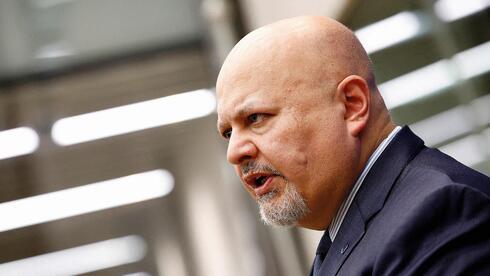
Khan removed by vote
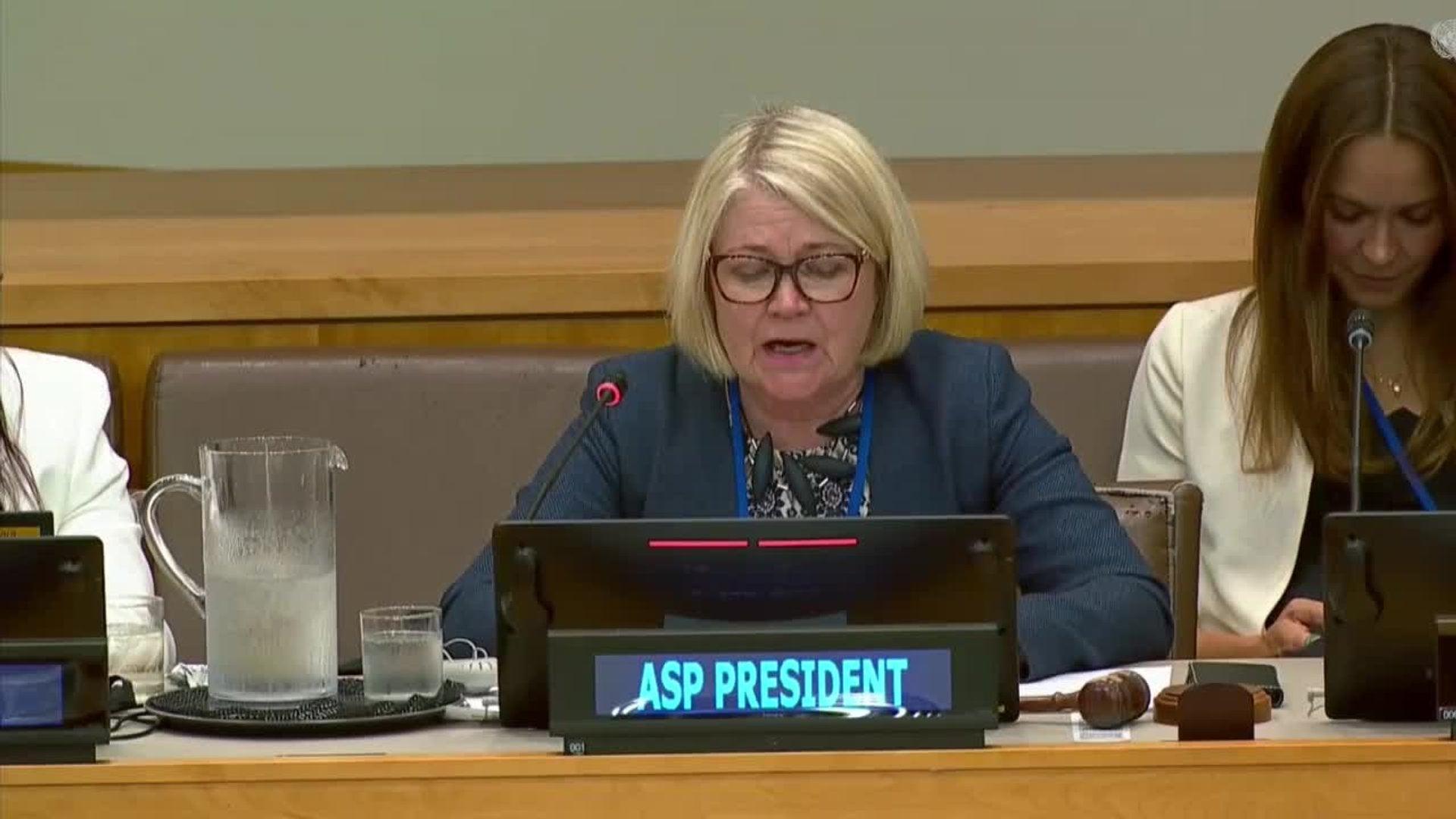
The International Criminal Court’s Assembly of States Parties voted to remove prosecutor Karim Khan from his post after allegations of sexual misconduct that he denies, with 82 of the ICC’s 125 member states voting in favor, 13 opposed, and 15 abstained. The vote was held at an extraordinary session at United Nations Headquarters in New York, where Assembly of States President Päivi Kaukoranta said the states concluded Khan “committed serious misconduct and a serious breach of duty.” Khan, who has been in office since 2021 and was suspended from his duties in June while awaiting the member states’ decision, was officially removed from the head of the Office of the Prosecutor.
The ICC said the dismissal would not annul ongoing investigations or arrest warrants issued in 2024, and that deputy prosecutors would continue to lead and manage the Office of the Prosecutor. The decision comes as the ICC continues to pursue cases including the Darfur case in Sudan and proceedings in the Democratic Republic of the Congo, with the Office of the Prosecutor’s teams continuing investigations already opened.
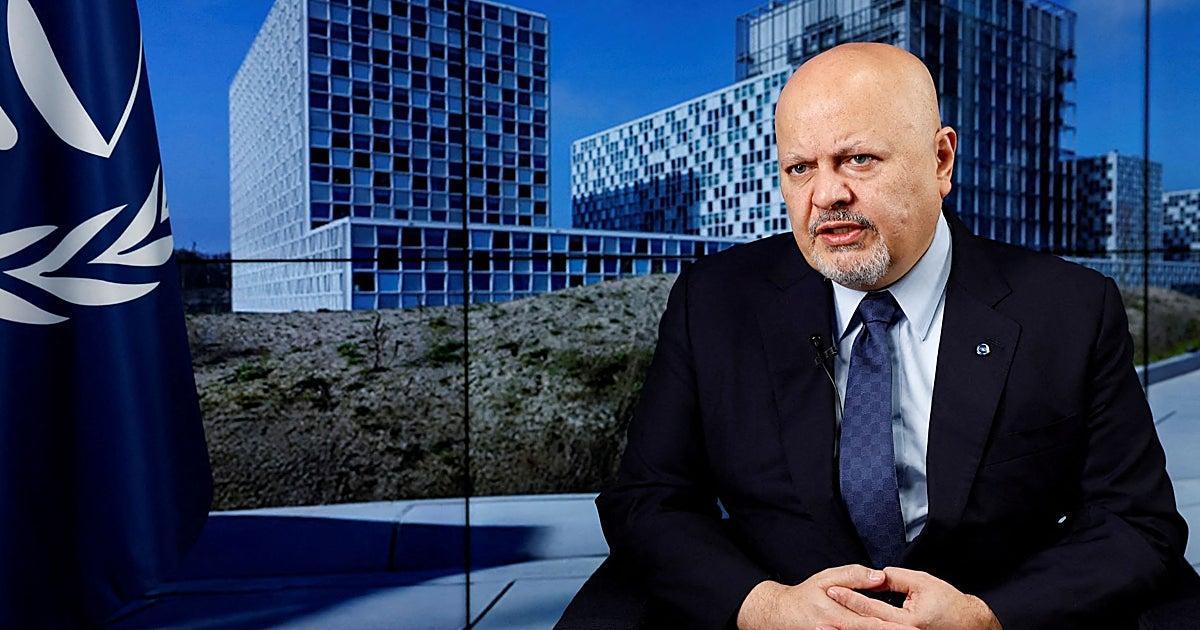
Legal fight and backlash
Khan’s legal team said the removal was “political,” with Tayab Ali arguing that a judicial panel had “unanimously” determined that findings by the United Nations Office of Internal Oversight Services “did not establish misconduct or breach of duty by Mr Khan under the relevant legal framework.” Ali also said the decision has “grave implications beyond Mr Khan’s individual case,” adding that “The independence of the International Criminal Court depends upon its elected officials being protected from removal through processes that are political, procedurally unfair or inconsistent with the findings of independent judicial bodies.” Khan’s accuser, named only as Sarah, told CNN’s Christiane Amanpour that Khan’s actions left her feeling “humiliated,” describing “the pawing, the physical nature of it – but it didn’t start that way.”
Israel welcomed Khan’s removal, with Danny Danon criticizing the prosecutor’s “witch hunt” and saying it would “distract from serious sexual misconduct allegations,” while Israel’s Foreign Minister Gideon Saar called the dismissal “long-delayed.” The United States’ renewed scrutiny of the ICC included threats to dismantle the court, and CNN reported that US Secretary of State Marco Rubio said there were “lunatics and crazies” in the ICC and no US officials would ever stand trial there.
What happens next
The removal triggers an election process for a new ICC prosecutor, though Al Jazeera reported that a vote is not expected before next year. The ICC said ongoing work continues because only ICC judges can withdraw warrants, and Anadolu Ajansı reported that the removal “will not annul ongoing investigations or arrest warrants issued by the ICC” and that member states should begin selecting a successor. Afrik reported that the absence of a head of the Office of the Prosecutor could slow certain decisions, including the opening of new investigations, the prioritization of certain cases, or the issuance of new arrest warrants.
The stakes extend to cases that remain “among the files most closely watched,” including Darfur in Sudan and investigations into crimes committed in the east of the Democratic Republic of the Congo, where armed groups continue to destabilize North Kivu and Ituri. In Venezuela, the rts.ch report said Foreign Minister Félix Plasencia announced Venezuela would leave the ICC, and it quoted his statement that “Under the instructions of Interim President Delcy Rodríguez, Venezuela has informed UN Secretary‑General António Guterres” of its withdrawal decision.