Technology and Scienceupdated 1h ago3 min read
FBI Charges Saudi OpenAI Engineer Abdulrahman Alfozan With Planting Encrypted Recording Device
This article is an automated aggregation of coverage from news outlets. Our editorials offer in-depth analysis curated by the NewsCord team.
Abdulrahman Alfozan, a 35-year-old Saudi OpenAI engineer, charged with planting recording device. Sophisticated recording device found; OpenAI used AI to identify the culprit; FBI arrested.

Device Found, Arrest Follows
Federal prosecutors charged Abdulrahman Alfozan, a Saudi national and OpenAI engineer, with using or endeavoring to use an electronic device to intercept oral communications after OpenAI discovered a "sophisticated recording device" hidden in its San Francisco office.
OpenAI said it used its AI models to identify that a specific employee had planted the device a few days earlier, and the Justice Department said the device was found inserted in a USB port on the back of a television in an executive conference room.
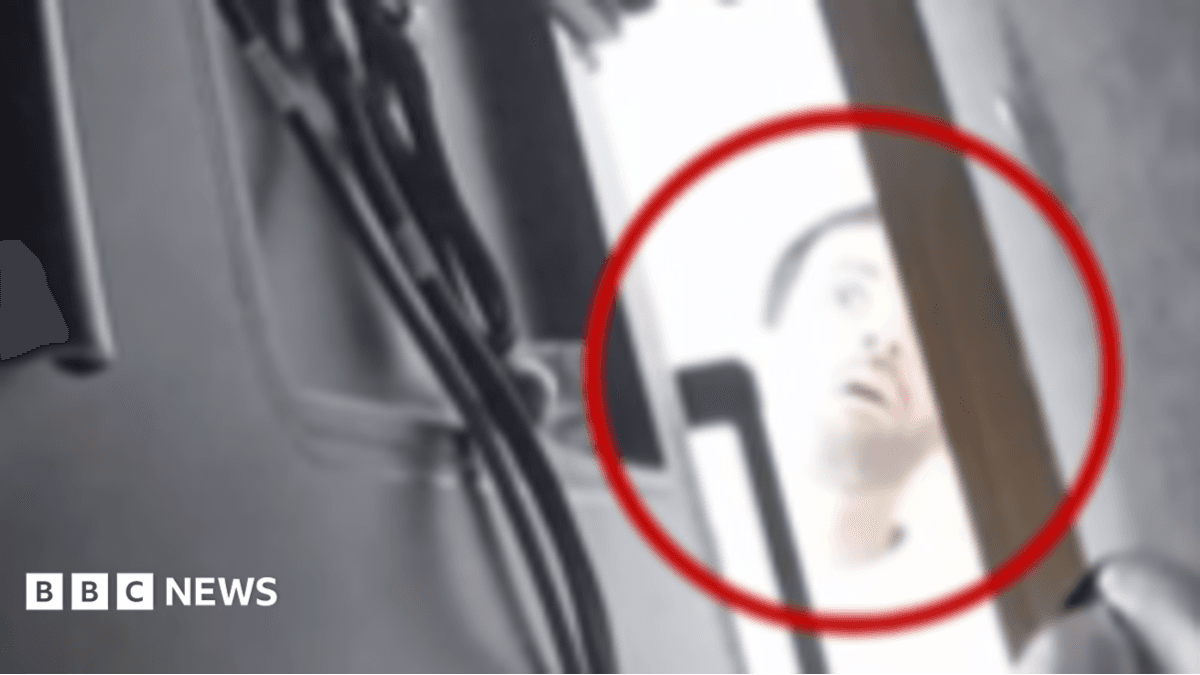
Prosecutors said the device was wrapped in toilet paper and that it was encrypted, while the complaint described a thumb-sized development board with a detachable camera sensor, digital microphone, and microSD storage.
FBI Director Kash Patel said Alfozan allegedly concealed a covert recording device inside his employer’s executive conference room to secretly capture sensitive communications about the company’s super intelligence technology.
The Justice Department said Alfozan was arrested on October 9 and made his initial appearance in the U.S. District Court for the Northern District of California on Tuesday.
How the Alleged Plot Worked
The criminal complaint said CCTV footage linked Alfozan to the scene, and prosecutors alleged he used a "productivity tool" to research sensitive locations at OpenAI and how to secretly place audio equipment. Prosecutors said chatbot prompts he searched included "building, customizing, installing, audio recording, testing, obfuscating, and remote accessing a device," and prosecutors also alleged he asked about "encrypt[ing] the SD card". OpenAI said it had no indication that Alfozan improperly accessed or exfiltrated model weights, source code, or customer data, and the company said the employee was fired.
Investigators later found a similar customized device in Alfozan's personal bag, and the Justice Department said security personnel found his wallet and ID when they opened it. CBS News reported that Alfozan’s attorney, William Pernik, said his client is presumed innocent and cautioned against "jumping to conclusions at this very early stage of the case".
What Comes Next for OpenAI
OpenAI said it referred the matter to the FBI and that the FBI's investigation is ongoing, while the company said its security program is designed to protect against a wide range of threat actors, from insider risks to cybercriminals to nation states.
The Justice Department said Alfozan was charged with trying to use an electronic device to intercept oral communications, and the complaint said the executive conference room was used for discussions of highly confidential and proprietary matters.
CBS News reported that Alfozan was due to appear in federal court again on Oct. 19 for a detention hearing, and the BBC said that if found guilty he faces up to five years in prison and a fine of $250,000 (£187,000).
The incident also arrived as OpenAI faced scrutiny over other internal actions, with Reuters and other media outlets reporting that it told investors its annualized revenue for September was almost $50 billion.
OpenAI said it fired three researchers after an investigation found they had violated company policies on handling sensitive information, and the researchers Jasmine Wang, Tomek Korbak, and Mikita Balesni published a letter disputing some of the claims circulating about their conduct.