Entertainment10 December, 20251 min read
Iceland Boycotts Eurovision After EBU Greenlights Israel Despite Its Conduct in Gaza War
Iceland's public broadcaster RÚV announced it will not participate in Eurovision 2026 Iceland joined Spain, Ireland, Slovenia and the Netherlands in boycotting Eurovision 2026
12 outlets told this the same way.
Outlets did split on Chad Lowe and Kim Painter Mourn Daughter Fiona Hepler Lowe’s Death at 13 →
Iceland Eurovision withdrawal
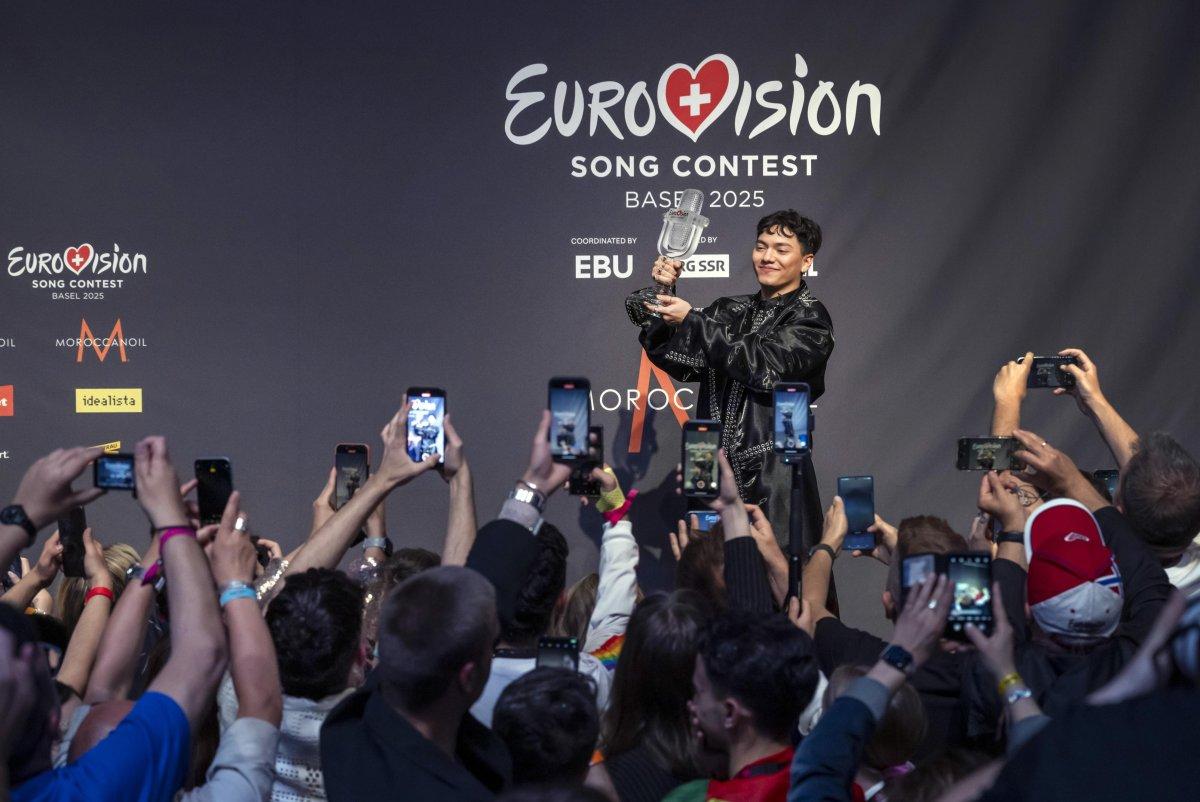
Iceland's public broadcaster RÚV announced it would withdraw from the Eurovision Song Contest 2026. RÚV becomes the fifth country to boycott after the European Broadcasting Union cleared Israel's broadcaster KAN to participate despite the Gaza war.
“Iceland on Wednesday became the fifth country to withdraw from next year’s Eurovision Song Contest because Israel will be allowed to participate, joining Spain, Ireland, Slovenia and the Netherlands.”
RÚV cited sustained public debate, opposition from artists and stakeholders, and the view that participation could no longer "unite" viewers. The EBU declined to expel Israel and said it had discussed KAN's participation at meetings in London and Geneva.

EBU adopts new safeguards
The EBU's decision came after a secret ballot in which a large majority of members backed new safeguards and rejected holding an exclusion vote. The union said it had tightened rules on campaigning and promotion to reinforce neutrality. Broadcasters such as the BBC and Germany supported the move as enforcing EBU rules and promoting inclusivity.
RÚV withdrawal rationale
RÚV said its withdrawal was driven by domestic public debate and artistic opposition rather than a technical dispute over EBU rules. It said participation would bring 'neither joy nor peace' and that the decision to allow KAN made participation impossible. Multiple outlets echoed that language when reporting RÚV's statements and describing internal discord.
“RÚV said sustained public debate, opposition from artists and other stakeholders, and a belief that the contest could no longer ‘unite’ viewers meant there would be ‘neither joy nor peace’ in participating.”
Broadcast boycotts and participation
The withdrawals highlight a split across European broadcasters. Five public broadcasters, the Netherlands, Spain, Ireland, Slovenia and Iceland, have announced boycotts, and Spain's RTVE said it would not broadcast the contest.
Other countries, like Poland, confirmed they will participate. The situation underscores a contested balance between cultural programming and political protest.

Eurovision 2026 debate
Looking ahead to Eurovision 2026 in Vienna, outlets note the EBU's tightened rules on campaigning and voting aim to keep the contest non-political. Coverage diverges on whether those measures will restore trust.
“The European Broadcasting Union (EBU) has approved Israel’s participation in the 2026 Eurovision Song Contest after a secret ballot in which a large majority of members backed new safeguards and rejected a further vote.”
Some sources and broadcasters argue the rules enforce neutrality. Others say the refusal to exclude Israel amid the Gaza war makes participation unconscionable for affected nations and their publics.