Full story
Iceland votes no
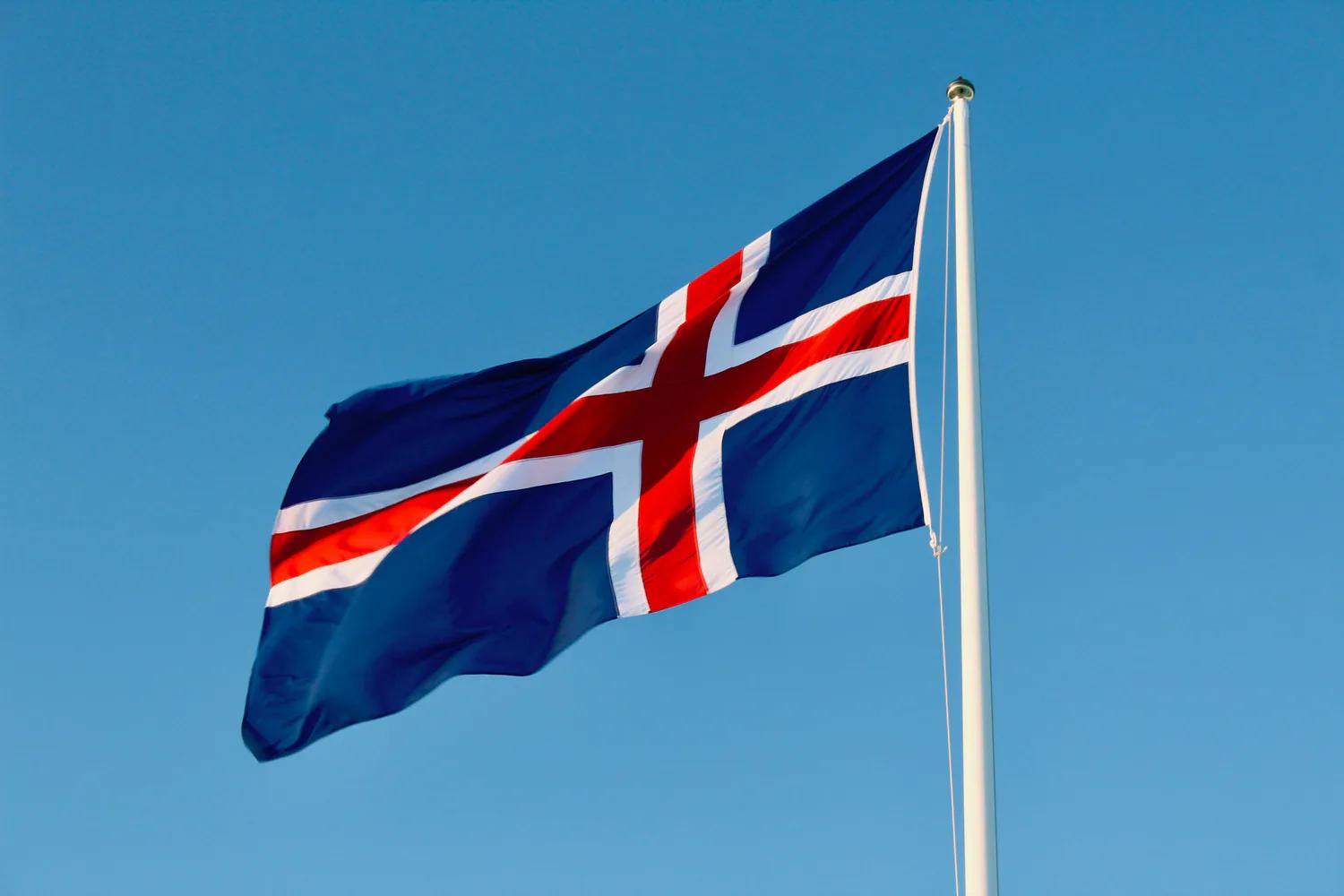
Icelandic voters rejected a proposal to restart negotiations to join the European Union in a referendum held on Saturday, with RUV reporting a 52.8% “no” vote and 47.2% “yes.”
“The question on the ballot was: "Should Iceland resume accession negotiations with the European Union?"”
The vote was framed as a decision on whether to reopen accession talks rather than a direct vote on EU membership itself, and the BBC reported that the question on the ballot was "Should Iceland resume accession negotiations with the European Union?"

Prime Minister Kristrún Frostadóttir said after casting her ballot in the capital on Saturday that "This is a great day, we've been waiting for this for years to be able to have a vote," and she added that her government would continue its work regardless of the outcome.
The BBC said the referendum campaign fuelled debate about Iceland's place in the world, while the AP reported the result pitted concerns about geopolitical stability against keeping national control of Iceland’s prized fisheries.
The AP said the capital of Reykjavik was the only area in the island nation of 400,000 people where a majority supported the referendum.
Why the no won
The BBC said debate in the island nation of almost 400,000 people centred more on its fishing industry rather than security concerns, even though Iceland is a NATO member with no military and relies on allies for defence.
It reported that fish and marine industries account for almost 40% of Iceland's exports, and that many No voters feared they would cede some control of their lucrative fishing grounds under the EU's common fisheries policy.
The AP said the influential fishing industry led opposition to the referendum over fears the bloc’s common fisheries policy would open its waters to Spanish, Dutch and other trawlers.
In the lead-up to the vote, the Reuters explainer described the opposition Independence Party of Gudrun Hafsteinsdottir as leading the “no” side, while the government coalition framed membership as a “now or never” moment.
The Reuters explainer also said the opposition argues that joint resource management under the EU’s Common Fisheries Policy will open the door to foreign vessels in Icelandic waters.
What happens next
The BBC reported that the No vote does not rule out the chance of Iceland resuming talks in the future, and it also said a Yes vote would not have been a final decision on joining the EU.
“A Yes vote would not have been a final decision on joining the EU”
The BBC said a Yes vote would have been a move towards an accession agreement that would then have to be approved by a second referendum, and it said the constitution would have to be amended.
The Reuters explainer said that if Icelanders say “yes”, this would trigger two or more years of bargaining with Brussels followed by a second referendum, possibly in 2028, on whether to join the bloc.
After the “no” result, the Al Jazeera explainer said it is unlikely that Iceland will resume EU accession negotiations during the current government’s term, which runs until 2028.
The Al Jazeera explainer added that the government is expected to refer to parliament the question of whether Iceland should formally withdraw its EU membership application, while Iceland would remain outside the EU and continue its existing relationship through the European Economic Area and Schengen.