IDF Chief Eyal Zamir Orders Strikes on Hezbollah FPV Drone Supply Chain Deep Inside Lebanon
Key Takeaways
- IDF chief Zamir ordered strikes on Hezbollah FPV drone production and supply chain in Lebanon.
- Northern Command and the IAF to strike the drone production and supply chain.
- Israeli retaliation centers on Hezbollah's FPV drone program.
FPV strikes deepen
Israel’s military leadership ordered new strikes aimed at Hezbollah’s FPV drone supply chain deep inside Lebanon, shifting tactics after what the Israeli military described as repeated ceasefire violations.
The Israeli account says IDF Chief of Staff Lt. Gen. Eyal Zamir instructed Northern Command and the Israel Air Force to strike the production and supply chain of the FPV drones, “including deep inside Lebanon.”
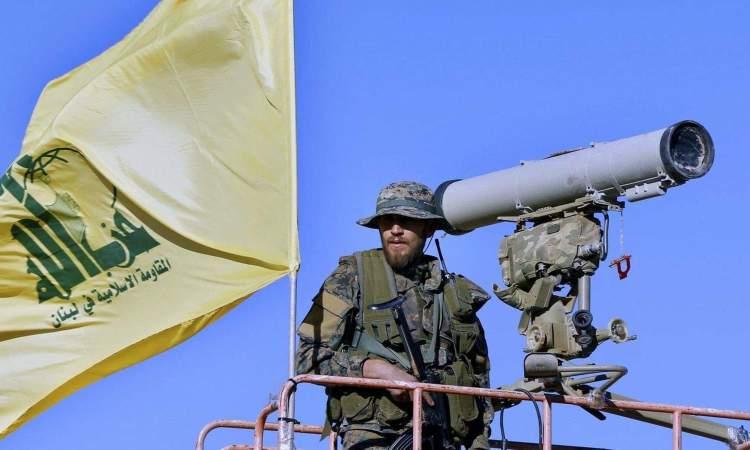
The ynetnews report frames the change as a response to Hezbollah drone attacks that killed “Two soldiers and a civilian” over the past week, and it says Israel is “changing course after restrictions imposed by the United States.”
It adds that since the ceasefire with Lebanon was declared, the IDF “has not struck in Beirut,” and that “the overwhelming majority of its attacks have been carried out in southern Lebanon, in the area south of the yellow line.”
Under the new directive, the Israel Air Force will be able to strike farther north, with the goal of “significantly damaging what has become the main threat to IDF forces in recent days.”
A senior IDF official is quoted saying, “This is a complex challenge, and there is no generic magic solution,” and the same official adds, “we must not be ashamed to use simple protective nets if they save lives.”
The report also lists casualties from Hezbollah FPV drone attacks over the past week, naming “Sgt. Idan Fooks,” “Sgt. Liem Ben Hamo,” and “Shfaram resident Amer Hujeirat,” while saying “Many others were wounded in a series of additional incidents.”
Ceasefire frictions
The reports tie the new strike directive to ongoing incidents along Israel’s northern front and to the contested status of the Lebanon-Israel ceasefire.
The ynetnews account says Hezbollah “continued launching FPV drones on Thursday, both toward forces operating in southern Lebanon and toward the northern border,” and it describes interceptions after “the detection of suspicious aerial targets in southern Lebanon,” including “In one incident, a rocket was intercepted.”
It also says a reserve officer and soldier were “lightly wounded near Misgav Am after one of the drones hit the area,” placing the impact beyond Lebanon’s border.
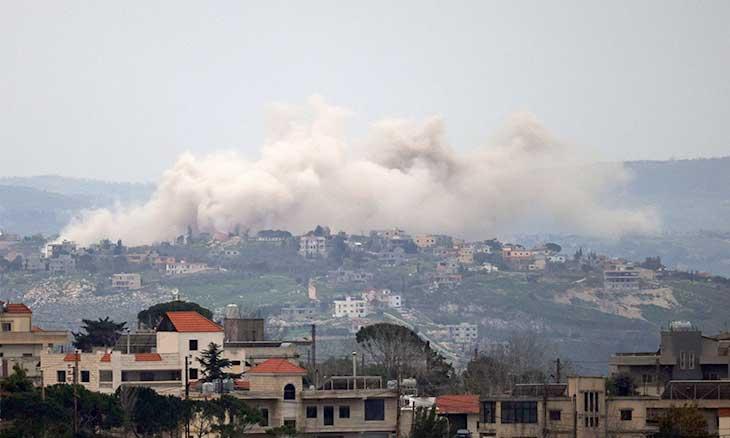
In the L’Orient-Le Jour live reporting, the Israeli army says it intercepted Hezbollah rocket launchers in “the areas of Yater and Kafra in south Lebanon, north of the Advanced Defense Line,” and it quotes the Israeli statement that “These rocket launchers posed a threat to Israeli soldiers and civilians.”
The same live report says the Israeli army added that “Earlier in the day, the terrorist organization Hezbollah launched explosive drones toward soldiers operating in southern Lebanon, south of the Advanced Defense Line,” and it states, “no injuries were reported among the soldiers.”
L’Orient-Le Jour also records Hezbollah’s own claim of an attack at “14:30,” saying Hezbollah “targeted an Israeli armored vehicle transporting troops in Ramiyé, in the Bint Jbeil district of southern Lebanon.”
The Naharnet report adds that Israel’s drone threat focus includes “small drones controlled with fiber-optic cables the width of dental floss,” and it says these drones “avoid electronic detection.”
Named casualties and officials
The Israeli reporting provides a roster of specific casualties tied to Hezbollah FPV drone attacks and pairs those losses with statements from senior military figures about how to respond.
In ynetnews, Hezbollah FPV drone attacks over the past week are said to have killed “an armored corps soldier, Sgt. Idan Fooks, Golani Brigade soldier Sgt. Liem Ben Hamo and Shfaram resident Amer Hujeirat.”
The same report says “Many others were wounded in a series of additional incidents,” and it describes additional drone activity on Thursday, including a case where “a reserve officer and soldier were lightly wounded near Misgav Am.”
It then quotes a senior IDF official describing the challenge as “This is a complex challenge, and there is no generic magic solution,” and it adds the official’s prescription that “we must not be ashamed to use simple protective nets if they save lives.”
The Naharnet report attributes the strike plan to Israel’s military leadership, saying “Israeli army chief Eyal Zamir has instructed the Northern Command and the Israel Defense Forces to strike the production and supply chain of Hezbollah's FPV drones, including deep inside Lebanon.”
Naharnet also quotes a drone expert and researcher at the Royal United Services Institute in London, Robert Tollast, who says, “if you know what you're doing, it's absolutely deadly,” in reference to the fiber-optic guided drones.
It further quotes Ran Kochav, a former head of the Israeli military's air defense command, saying the drones are “very difficult to detect them, and even after they're detected, they are really hard to track.”
Drone economics and tactics
Beyond the FPV drone supply chain, the Naharnet report describes Hezbollah’s use of fiber-optic guided drones and explains why Israel’s defenses struggle with them.
It says Hezbollah has launched “small drones controlled with fiber-optic cables the width of dental floss that avoid electronic detection,” and it adds that “Fiber-optic drones are not piloted via GPS signals or radio control.”
Instead, Naharnet says the drones have “a thin cable spooling out behind them that connects the operator's console directly to the drone,” and it states that this makes it “impossible to electronically jam.”
The report also notes that “Many drones are susceptible to electronic jamming by air defenses,” and it describes what jamming can do: “Jamming can cause a drone to crash or return to its point of origin.”
It then emphasizes the operational challenge by saying, “They fly very low and very fast, and they are very small, it's very difficult to detect them, and even after they're detected, they are really hard to track,” quoting Ran Kochav.
Naharnet provides a cost estimate, saying Ali Jezzini estimated that “some of the drones used by the group cost between $300 and $400 each,” and it adds that they “appear to be manufactured locally using 3D printing technology.”
In ynetnews, the same theme of countermeasures appears in a different form, with the senior IDF official advocating “simple protective nets” until a more effective solution is found.
What comes next
The sources also connect the Lebanon drone escalation to broader operational expectations and to the possibility of strikes beyond previously avoided areas.
ynetnews says that under the new directive, the Israel Air Force will be able to strike farther north, and it quotes the goal of “significantly damaging what has become the main threat to IDF forces in recent days.”
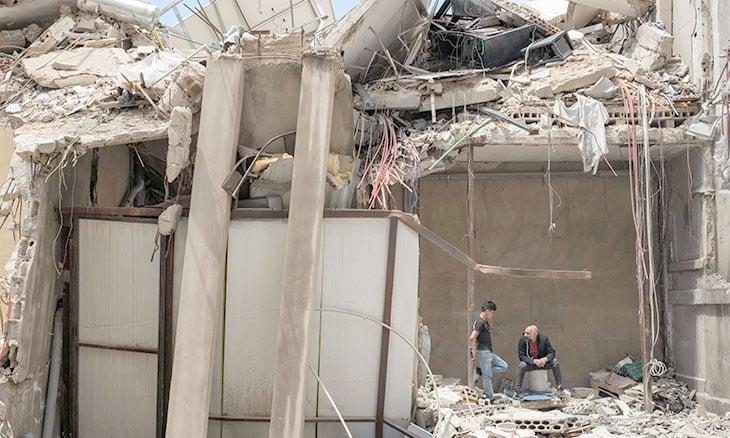
It also states that “the IDF has not struck in Beirut” since the ceasefire was declared, implying that the directive could change that posture.
Naharnet makes that implication explicit by saying the instruction “could mean Israel might strike in Beirut or its southern suburbs for the first time since the ceasefire went into effect.”
The L’Orient-Le Jour live report adds another layer by recording an Israeli evacuation order for “the southern Lebanese village of Habboush” that it describes as “an urgent warning ordering residents of the southern Lebanese village of Habboush to evacuate and move at least one kilometer away.”
It also reports that “An hour after the evacuation order, the Israeli army bombed Deir Aames several times, in the Tyre district,” tying movement orders to immediate strikes.
The Naharnet report describes the drone threat as a “cat-and-mouse race” in which Israel’s defenses race to intercept new threats, especially “ones that are less sophisticated.”
More on Lebanon
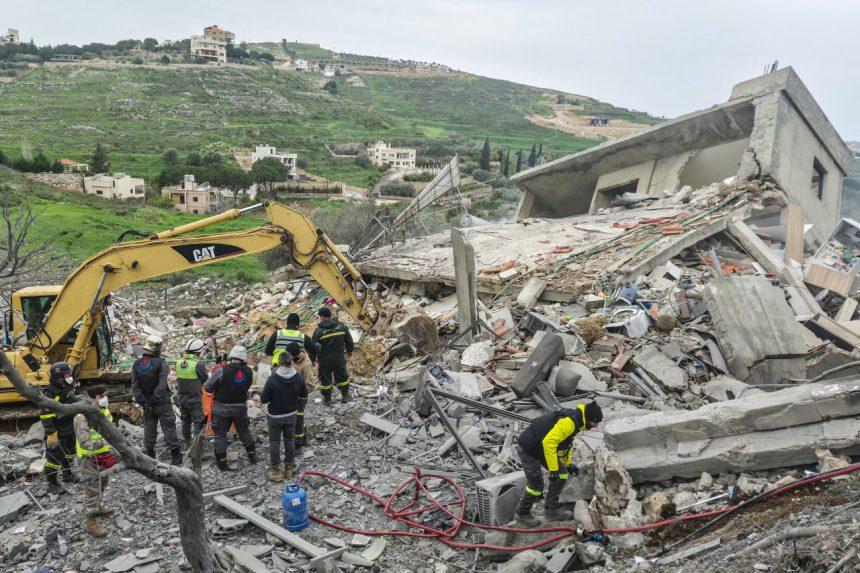
Israeli Strikes Kill At Least 12 In Southern Lebanon Despite Ceasefire
19 sources compared

Israeli Strikes Kill At Least 15 In Southern Lebanon Despite Ceasefire
17 sources compared

Israeli Airstrikes Kill Nine in Tyre and Ain Baal as Lebanon Toll Reaches 1,368
14 sources compared
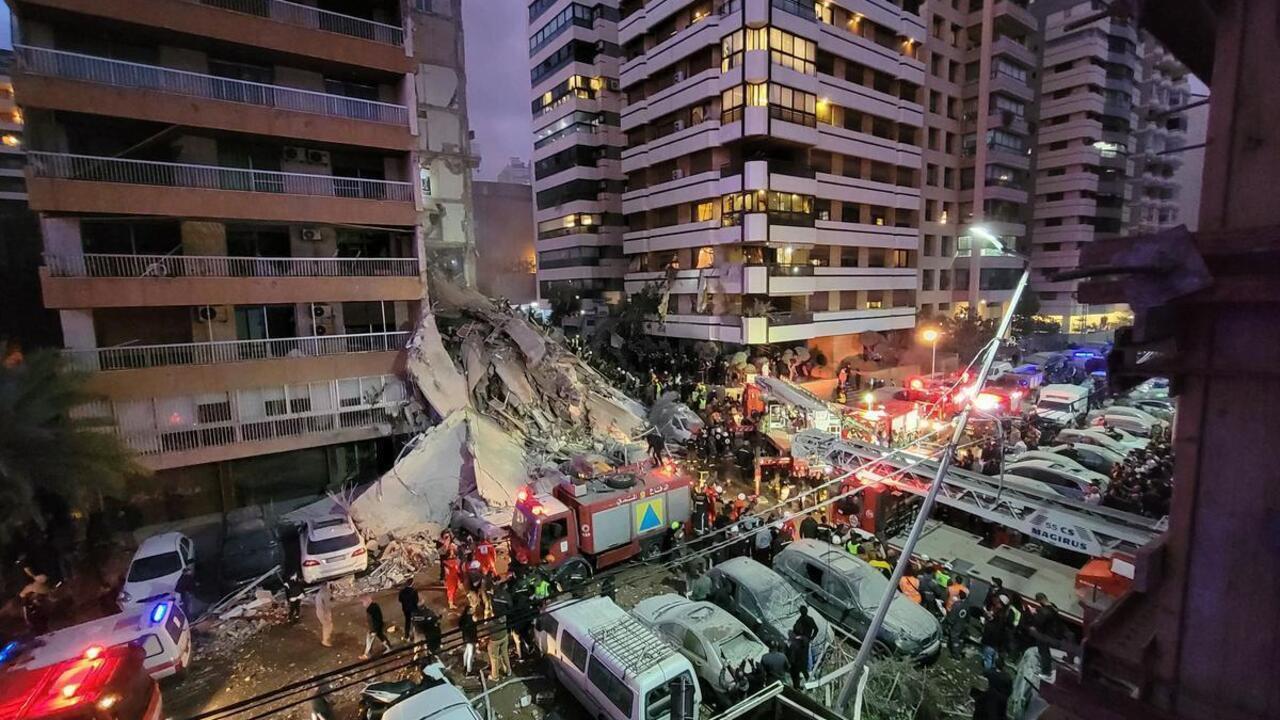
Israeli Army Kills Three Lebanese Civil Defense Volunteers at Majdal Zoun Funeral in Sour
10 sources compared