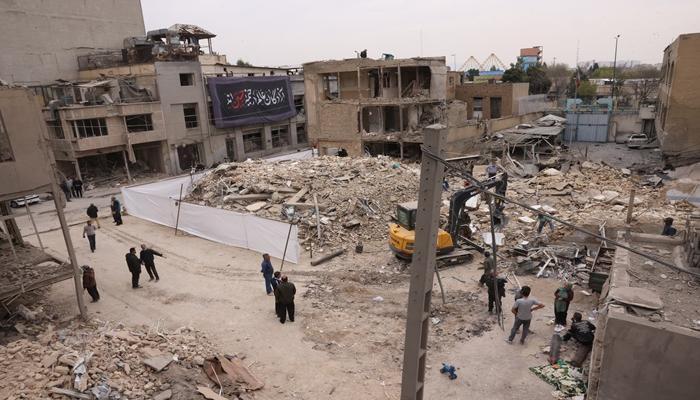
Lebanon · 02 May, 2026 · 6 min read
IDF Chief Eyal Zamir Orders Strikes on Hezbollah FPV Drone Supply Chain Deep Inside Lebanon
IDF Chief Eyal Zamir ordered strikes on Hezbollah FPV drone production and supply chain. Strikes to be carried out by Northern Command and the IDF inside Lebanon.
4 of 5 outlets skipped it: the ‘Jewish mind’ is working on solutions to neutralize 80% of the drone problem, and soldiers should use protective nets as interim defense..
ynetnews was read line by line by the Watchdog: 4.1. See the score →
16outlets compared
Same story, two versions
tap a side to read it in full
ynetnews
““has instructed Northern Command and the Israel Air Force to strike the production and supply chain of the FPV drones, including deep inside Lebanon.””Read the original ↗
Naharnet
““This could mean Israel might strike in Beirut or its southern suburbs for the first time since the ceasefire went into effect.””Read the original ↗
The core policy direction is the same (strike the production/supply chain), but one framing emphasizes geographic “farther north” operational freedom while another highlights the political/military implication of potentially striking Beirut for the first time.
FPV Drone Strikes Deep Inside Lebanon
Israel’s military leadership ordered new strikes aimed at Hezbollah’s FPV drone supply chain “deep inside Lebanon,” shifting tactics after what the Israeli military described as a sustained drone threat.
“IDF Chief of Staff Lt. Gen. Eyal Zamir has instructed Northern Command and the Israel Air Force to strike the production and supply chain of the FPV drones, including deep inside Lebanon”
In a report by ynetnews, IDF Chief of Staff Lt. YGen. Eyal Zamir instructed Northern Command and the Israel Air Force to strike “the production and supply chain of the FPV drones, including deep inside Lebanon.”
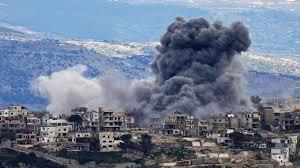
The same ynetnews account said the change followed restrictions imposed by the United States, and it framed the new directive as a way to “significantly” damage what it called “the main threat to IDF forces in recent days.”Y
It also stated that since the ceasefire with Lebanon was declared, “the IDF has not struck in Beirut,” and that “the overwhelming majority of its attacks have been carried out in southern Lebanon, in the area south of the yellow line.”
Under the new directive, ynetnews reported that the Israel Air Force “will also be able to strike farther north,” explicitly linking the expanded reach to the FPV drone problem.Y
The report tied the operational shift to recent casualties, saying Hezbollah’s explosive-laden FPV drones killed “Sgt. Idan Fooks” of an armored corps, “Sgt. Liem Ben Hamo” of the Golani Brigade, and “Shfaram resident Amer Hujeirat,” over the past week.
It added that Hezbollah continued launching FPV drones on Thursday toward forces in southern Lebanon and toward the northern border, with a reserve officer and soldier lightly wounded near Misgav Am after a drone hit the area.
A “No Real Solution” Problem
Across the reporting, the FPV drone threat is presented as an evolving challenge that Israel is struggling to counter, with multiple outlets quoting Israeli officials describing the limits of existing measures.
ynetnews quotes a senior IDF official addressing the FPV drone threat, saying: “This is a complex challenge, and there is no generic magic solution.”Y

The same ynetnews report adds that after “a recent experiment that failed,” the official said “The Jewish mind is working on solutions that will neutralize 80% of the problem, but until then, we must not be ashamed to use simple protective nets if they save lives.”Y
It then frames the interim approach as practical battlefield adaptation, quoting the official: “If it helps, then soldiers need to put up nets until a solution is found.”
Naharnet’s report similarly describes a cat-and-mouse dynamic, saying Israel’s high-tech defenses are racing to intercept “new threats,” including fiber-optic guided drones that avoid electronic detection.N
Naharnet states that Hezbollah’s fiber-optic drones are “small, hard to track and lethal,” and it describes how they are controlled with fiber-optic cables “the width of dental floss.”N
Naharnet also quotes drone expert Robert Tollast of the Royal United Services Institute in London, explaining: “if you know what you're doing, it's absolutely deadly,” and it quotes Ran Kochav saying the drones are “really hard to track.”N
Fiber-Optic Drones and the Technical Race
The Lebanon front is also described through technical details about Hezbollah’s fiber-optic guided drones, which Naharnet says are designed to avoid electronic detection and jamming.N
“Fiber-optic drones are not piloted via GPS signals or radio control”
Naharnet reports that Hezbollah launched “small drones controlled with fiber-optic cables the width of dental floss” that “avoid electronic detection,” and it adds that the drones “are small, hard to track and lethal.”N
It explains that “Many drones are susceptible to electronic jamming by air defenses,” and that “Jamming can cause a drone to crash or return to its point of origin,” but it contrasts that with fiber-optic drones, saying “Fiber-optic drones are not piloted via GPS signals or radio control.”
Instead, Naharnet says the drones have “a thin cable spooling out behind them that connects the operator's console directly to the drone,” making it “impossible to electronically jam.”N
The report also notes limitations, stating that “The drones are not infallible because the wind — or other drones — can cause the cables to tangle.”
It then quotes Naharnet’s description of the operational challenge, saying militaries must “either intercept the drones, which is difficult due to their small size and short flight path, or find a way to snip the nearly invisible cable.”N
Naharnet further asserts that Hezbollah announced it began using fiber-optic guided drones “for the first time during the round of fighting that began March 2.”
Possible Beirut Strikes and Divergent Framing
While ynetnews emphasizes a directive that could expand Israel’s strike geography beyond the previous “southern Lebanon” focus, Naharnet frames the same policy shift as potentially reaching Beirut for the first time since the ceasefire.
Naharnet reports that Israel’s army chief Eyal Zamir instructed the Northern Command and the Israel Defense Forces to strike “the production and supply chain of Hezbollah's FPV drones, including deep inside Lebanon,” and it adds that “This could mean Israel might strike in Beirut or its southern suburbs for the first time since the ceasefire went into effect.”N

In ynetnews, the same underlying claim appears as a constraint already described: “Since the ceasefire with Lebanon was declared… the IDF has not struck in Beirut,” and the new directive is described as enabling strikes “farther north.”Y
The two outlets also differ in how they foreground the drone threat: ynetnews centers on explosive-laden FPV drones and lists specific casualties including “Sgt. Idan Fooks,” “Sgt. Liem Ben Hamo,” and “Shfaram resident Amer Hujeirat,” while Naharnet emphasizes fiber-optic guided drones and includes a technical explanation of why they are hard to jam.
Naharnet’s account also brings in named analysts and cost estimates, quoting Robert Tollast and Ran Kochav and stating that Ali Jezzini estimated “some of the drones used by the group cost between $300 and $400 each.”
ynetnews instead quotes an IDF official’s assessment that “The Jewish mind is working on solutions that will neutralize 80% of the problem,” and it pairs that with the interim idea of “simple protective nets.”Y
The Palestine Chronicle live blog, meanwhile, presents the Lebanon fighting through a different lens, saying “Israel continues to target residential areas in Lebanon” and describing “more than 70 strikes across southern Lebanon on Thursday.”
Casualties, Injuries, and What Comes Next
The immediate consequences described in the sources are measured in deaths, injuries, and continued drone activity, with Israel’s new strike posture presented as a response to those losses.
“Under the new directive, the Israel Air Force will also be able to strike farther north”
ynetnews says Hezbollah FPV drone attacks over the past week killed “an armored corps soldier, Sgt. YIdan Fooks, Golani Brigade soldier Sgt. Liem Ben Hamo and Shfaram resident Amer Hujeirat,” and it adds that “Many others were wounded in a series of additional incidents.”

It also reports that “The terrorist organization continued launching FPV drones on Thursday,” and it notes that “Interceptors were also launched several times following the detection of suspicious aerial targets in southern Lebanon,” including an incident where “a rocket was intercepted.”
Naharnet similarly reports that “Drones killed an Israeli soldier in southern Lebanon and injured at least a dozen others in northern Israel on Thursday, two seriously,” and it adds that “A soldier and a defense contractor were killed in Lebanon earlier this week.”N
The Palestine Chronicle live blog asserts that “Israeli warplanes, drones, and artillery launch more than 70 strikes across southern Lebanon on Thursday,” and it places the destruction in “Tyre, Nabatieh, and Bint Jbeil districts.”
Looking ahead, ynetnews frames the next step as operational: “Under the new directive, the Israel Air Force will also be able to strike farther north,” with the goal of “significantly damaging what has become the main threat to IDF forces.”Y
Naharnet’s report likewise ties future action to the drone supply chain, saying the instruction could lead to strikes “deep inside Lebanon,” while Hezbollah continues launching drones toward both southern forces and the northern border.N