India27 October, 20252 min read
India and China Resume Direct Flights After Five Years to Cement Modi-Xi Diplomatic Thaw
This article is an automated aggregation of coverage from news outlets. Our editorials offer in-depth analysis curated by the NewsCord team.
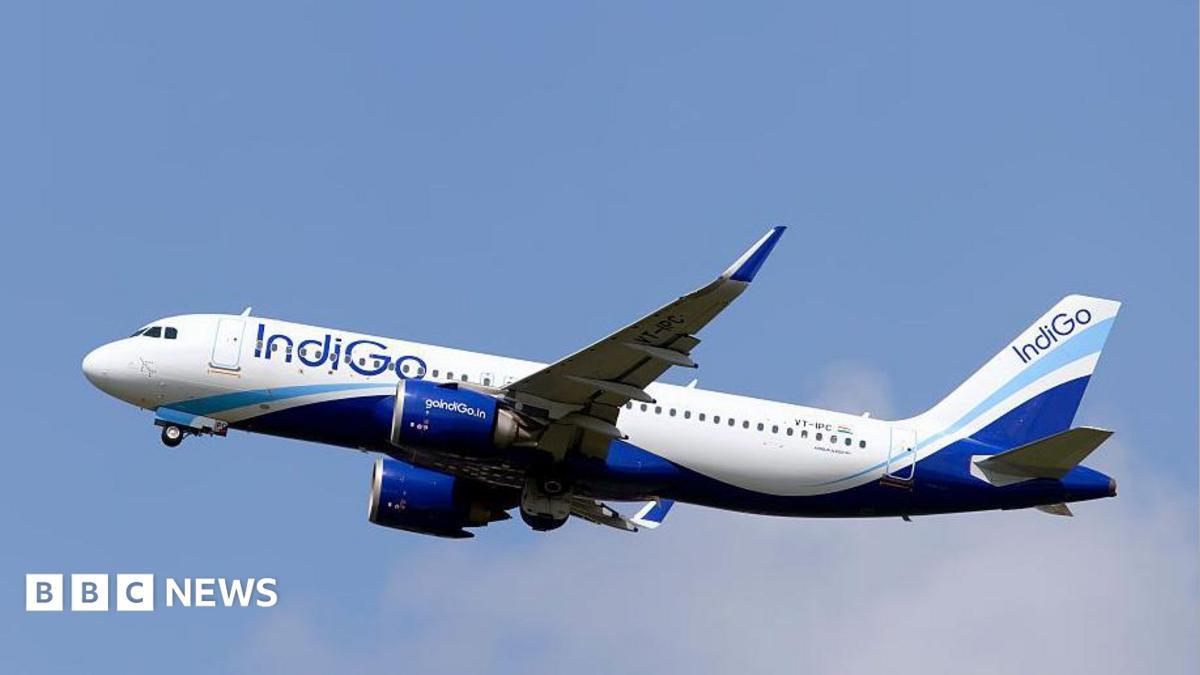
IndiGo resumed daily direct flights between Kolkata and Guangzhou after a five-year suspension. Flight suspension was due to the COVID-19 pandemic and 2020 India-China border clashes.
44 outlets told this the same way.
India-China Flight Resumption
India and China have restarted direct commercial flights after a five-year halt. This resumption is seen by many outlets as a cautious but meaningful thaw in ties following pandemic restrictions and the deadly border clashes of 2020. The first IndiGo service on the Kolkata–Guangzhou route has resumed, with coverage dating the inaugural operations to October 26 or 27.
“India and China resumed direct flights on Sunday after a five-year suspension, marking a significant step in rebuilding their strained relations.”
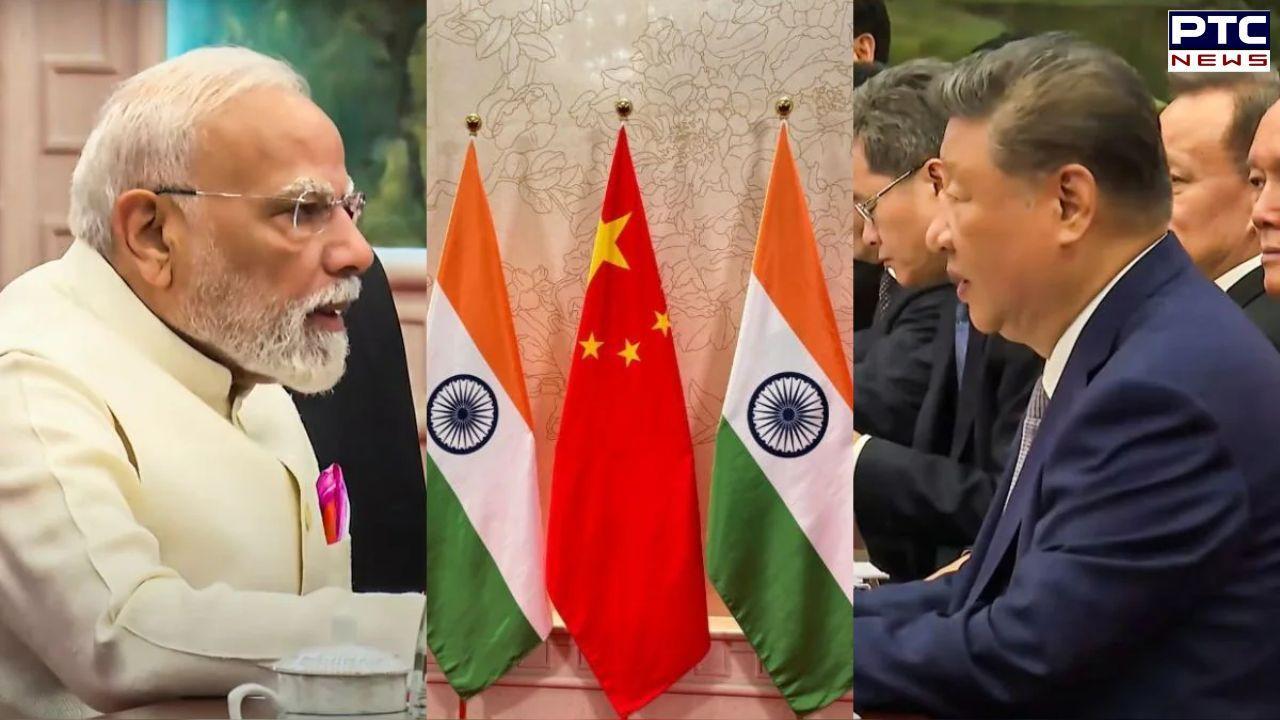
The move is portrayed as part of a broader normalization that includes visas and diplomatic engagement between Prime Minister Narendra Modi and President Xi Jinping. Western mainstream outlets emphasize normalization milestones and ceremony at the airport. Western alternative and Asian outlets more directly link the flights to recent Modi–Xi interactions and a pragmatic easing of frictions to benefit travel and trade.
&w=1920&q=75)
Air Route Restorations
Carriers and officials outline a phased restoration of routes. IndiGo has restarted Kolkata–Guangzhou and plans Delhi–Guangzhou in mid-November. China Eastern intends to relaunch Shanghai–Delhi.
Reports differ on frequency, with some describing daily services and others saying three-times-weekly initially. There is also variation in the exact dates for the new Delhi-linked routes.
Western mainstream and Asian outlets agree on the Shanghai–Delhi restart in November. Some other and Asian outlets mention additional or prospective pairings beyond what most mainstream reports confirm.
Diplomatic Context of Flights
The diplomatic backdrop is central to how outlets interpret the flights. Several tie the move to recent Modi–Xi contacts, border-management understandings, and symbolic gestures at the frontier. Western Mainstream coverage points to a ‘landmark’ border-patrol accord and reciprocal visits.
“Indian Prime Minister Narendra Modi visited China in August for the first time in seven years, and Chinese Foreign Minister Wang Yi also visited India that month.”
Western Alternative and Asian sources stress the flights as early gains from leader-level engagement and confidence-building, including Diwali sweets exchanges. Some ‘Other’ outlets add broader regional color and political sidelines.
Benefits of Renewed Travel Links
Coverage converges on practical benefits such as easier travel, revived business ties, and reduced costs. The reset is marked by visible events like lamp-lighting ceremonies and packed inaugural flights. Passenger numbers vary slightly across reports, with figures around 176 to 180.
Some outlets highlight Kolkata’s role as an international hub and the symbolism of trust-building. Others emphasize savings and convenience for students, traders, and families.
Challenges in Bilateral Relations
Most outlets caution that the restart does not erase hard problems. Border frictions linger, mistrust endures, and economic imbalances weigh on ties even as both sides signal pragmatism. Asian and Western Alternative sources explicitly reference the Galwan-era tensions and the need for trust-building.
“Despite ongoing strategic rivalry and past border clashes, the two countries are gradually easing ties.”
Western Mainstream and several Asian outlets stress steady normalization but note that substantial progress is still required. Overall, the flights are widely depicted as a step forward that coexists with unresolved strategic rivalry.
