India29 October, 20252 min read
India Rejects UN Report Linking Myanmar Refugees to Pahalgam Attack as Baseless
India strongly rejects UN report linking Pahalgam attack to Rohingya refugee treatment. Indian officials label the UN report as biased, blinkered, and baseless.

10 outlets told this the same way.
India Rejects UN Report Claims
India has forcefully rejected UN Special Rapporteur Thomas H Andrews’ report that links the April 2025 Pahalgam terrorist attack to displaced persons from Myanmar. India denounced the report as “baseless and biased,” a “blinkered analysis,” and filtered through a “communal lens” during the UN General Assembly’s Third Committee. Coverage notes India’s multi-party delegation at the 80th UNGA and places the intervention on October 28, 2025.
“During the UN General Assembly’s Third Committee session on October 28, 2025 ... part of India’s multi-party delegation participation in the 80th UN General Assembly.”
Western Alternative coverage also highlights the report’s claim that Myanmar refugees in India faced severe pressure after the attack. Together, the sources frame a sharp rebuttal by India to the Special Rapporteur’s linkage between the attack and refugees.
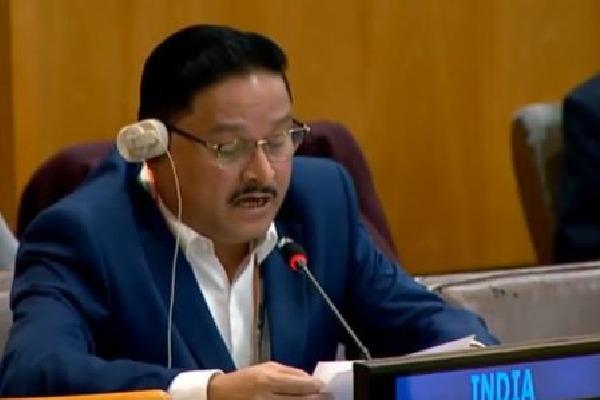
Indian MP Responds to UN Report
Indian MP Dilip Saikia argued that the Rapporteur relied on unverified media reports aimed at maligning India. He emphasized that India is home to over 200 million Muslims living peacefully with other communities. Saikia denied any connection between refugees and the attack.
News18 reported that Saikia dismissed allegations of harassment or detention of Myanmar refugees after the attack as baseless. The Federal and INDIA New England News added that the UN expert was urged not to rely on unverified reports. They also noted that a Special Rapporteur’s findings are personal opinions and do not represent official UN positions.
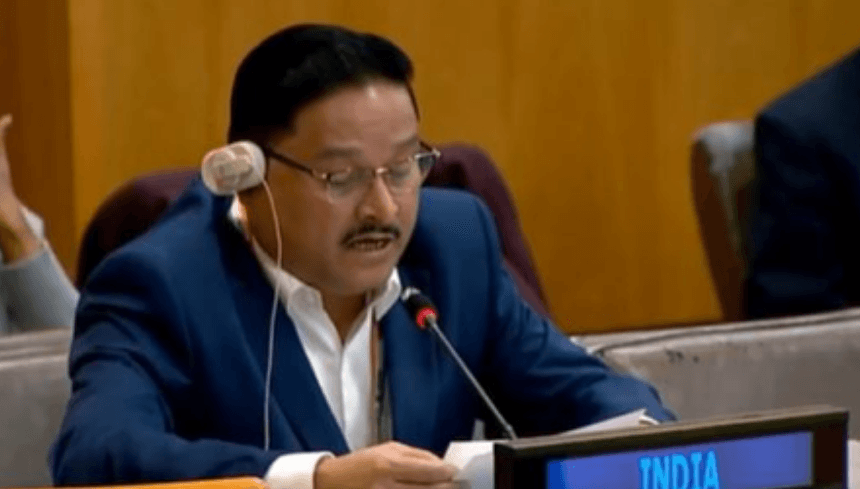
UN Report on Rohingya Refugees
Multiple reports detail what the UN expert allegedly documented regarding Rohingya refugees. These include detentions, interrogations, threats of deportation, and forced returns by sea after the attack. The reports note that no Myanmar nationals were involved in the Pahalgam incident.
“Andrews had alleged that Indian authorities detained and deported Rohingya refugees after the Pahalgam attack, which targeted Hindu tourists, though the attack also affected other non-Muslims.”
The Pahalgam incident targeted non-Muslims, including Hindus and a Christian. India firmly rejects any link between the refugees and the attack.
India calls the assertion baseless and biased. India also criticizes the communal framing present in the report.
India's Security and Humanitarian Approach
India rejects the alleged link and supports its position with security and humanitarian arguments. Sources mention cross-border trafficking of drugs, arms, and humans as well as a concerning increase in radicalization among some displaced individuals, which impacts law and order. One source also refers to ARSA, the militant group associated with the 2017 Rohingya exodus.
Simultaneously, Indian statements and media coverage emphasize humanitarian efforts such as disaster relief and Operation Brahma. They also highlight regional cooperation, including collaboration with ASEAN.
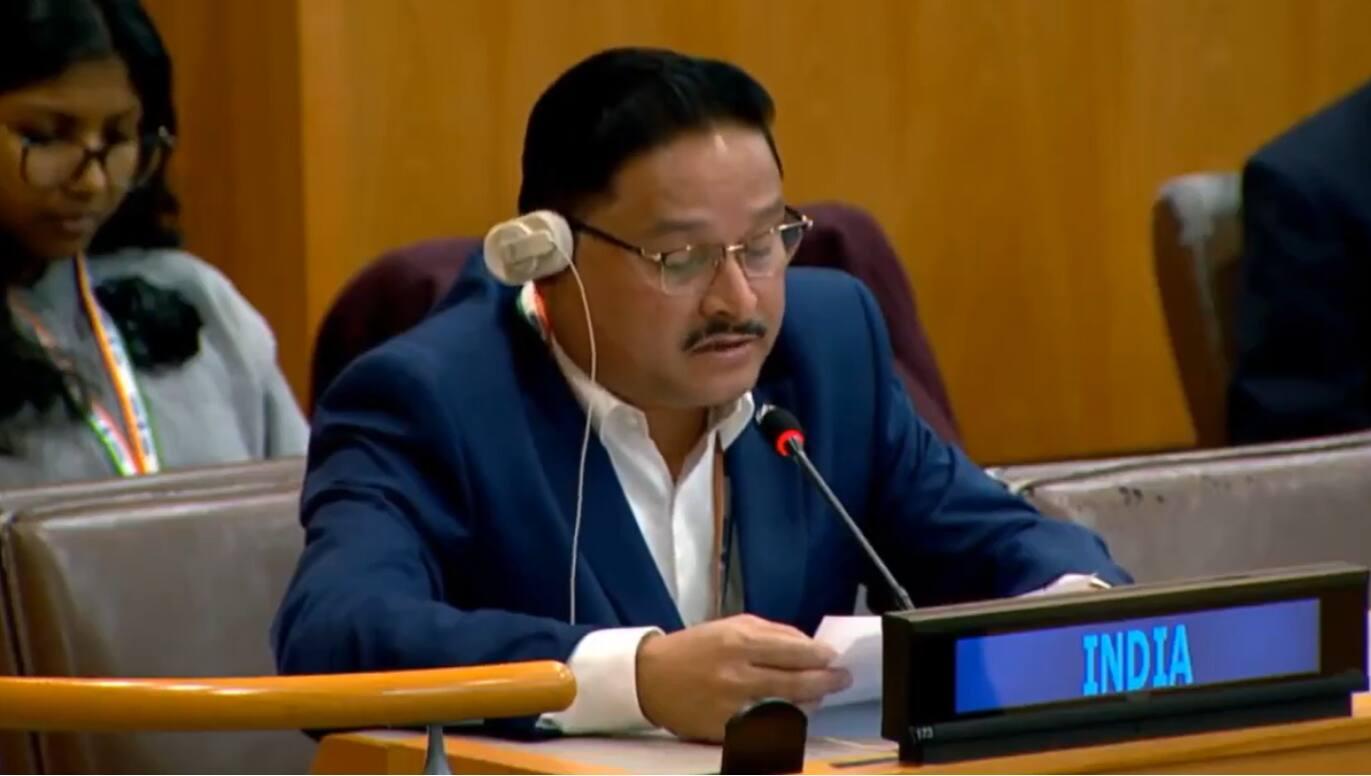
India's stance on Myanmar crisis
India’s message regarding the situation in Myanmar calls for an immediate end to violence. It also demands the release of political prisoners and unhindered humanitarian aid. India emphasizes the need for inclusive dialogue and credible elections.
“The debate took place amid ongoing violence in Myanmar following the 2021 military coup.”
These efforts are framed by some as a Myanmar-led process. Coverage highlights India’s multi-party delegation involved in these calls. The Federal places these demands within the context of the post-coup emergency.

The New Indian Express draws attention to multilateral disarmament raised by MP Sajda Ahmed. Moneycontrol provides a timeline of the intervention and underscores support for United Nations-led resolution efforts.