Gaza Genocide22 October, 20253 min read
International Court Orders Israel to End Gaza Blockade and Allow UN Humanitarian Aid
This article is an automated aggregation of coverage from news outlets. Our editorials offer in-depth analysis curated by the NewsCord team.
ICJ ruled Israel must facilitate UN and impartial humanitarian aid delivery into Gaza. Israel’s blockade and aid restrictions breach its obligations under international law.

19 outlets told this the same way.
Outlets did split on Israel Marks Oct. 7 Anniversary With Strikes on Gaza, Netanyahu Faces Election After Nova Tribute →
ICJ Ruling on Gaza Blockade
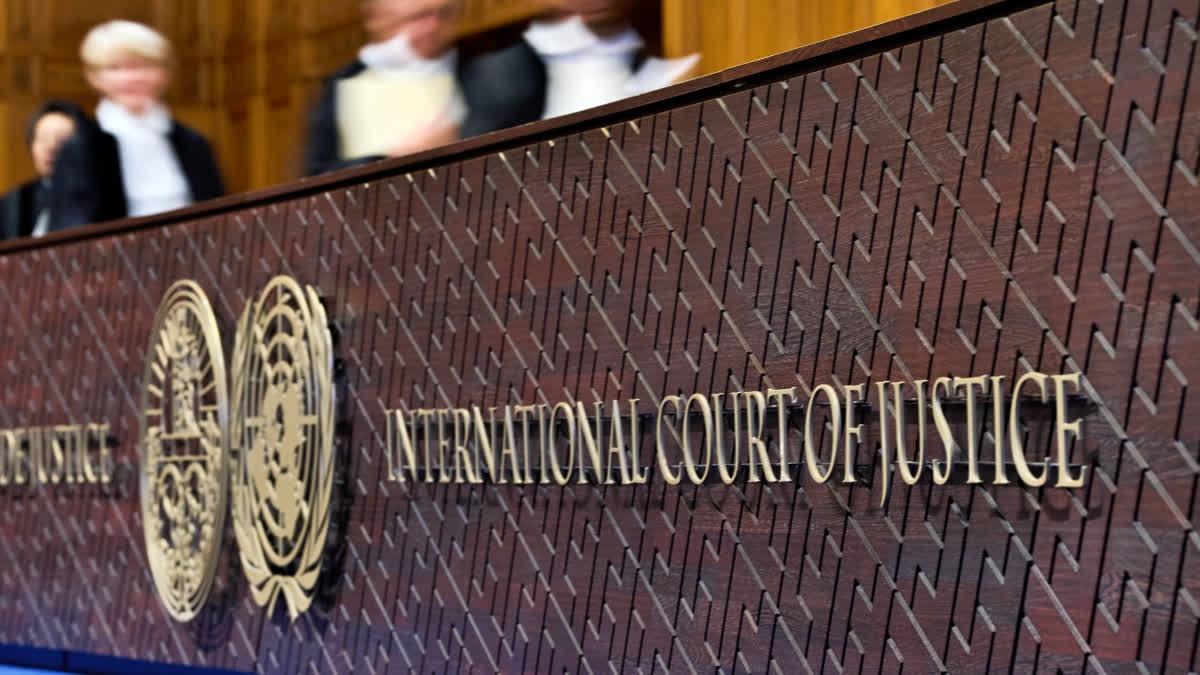
The International Court of Justice ordered Israel, as the occupying power, to end its blockade-driven restrictions and actively facilitate UN humanitarian aid into Gaza. The court explicitly rejected Israel’s claims against UNRWA and prohibited the use of starvation as a method of warfare. It stated that Israel must allow and facilitate UN deliveries, including through UNRWA.
“The International Court of Justice (ICJ) issued an advisory opinion condemning Israel's actions in Gaza, particularly criticizing its blockade and restrictions on humanitarian aid.”
The court found that Israel had not substantiated allegations that UNRWA is infiltrated by Hamas. Multiple outlets report that the ruling condemns Israel’s aid restrictions and labels its UNRWA ban unlawful. The ruling also underscores Israel’s legal duties to ensure Palestinians’ basic needs are met.

Israel repudiated the decision and insists it complies with international law. However, the ruling intensifies pressure to lift the blockade and allow full-scale UN relief operations.
Impact of Aid Blockades in Conflict
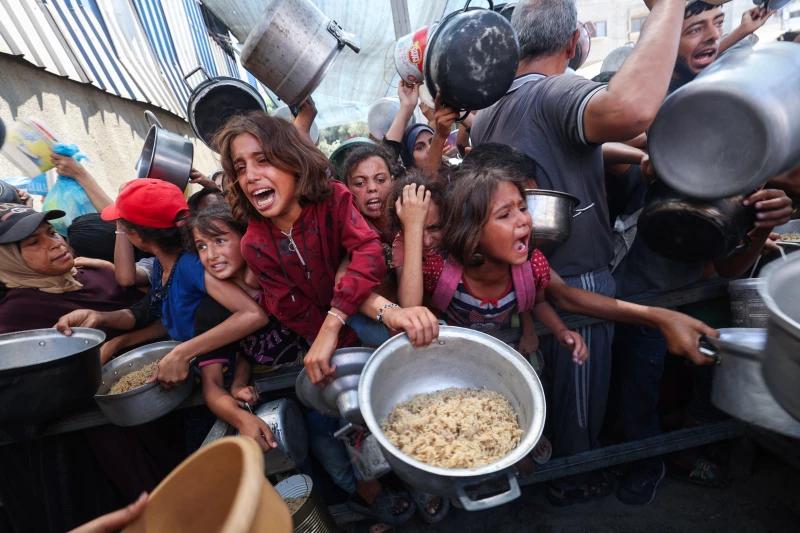
The court’s findings are grounded in the deadly reality on the ground. Israeli aid blockades and restrictions caused famine conditions and starvation deaths. The Guardian reported over 2,100 Palestinians were killed near aid distribution points as people tried to access food.
CBC reports that Israel cut off aid for three months, driving severe shortages and famine conditions. Israel tries to blame these conditions on the hoarding by militant groups. The International Court of Justice and rights-focused outlets reject using “security” as an excuse to suspend aid.

Even after a ceasefire, the World Food Programme says deliveries remain below targets. Meanwhile, Israel’s offensive has killed more than 68,000 Palestinians. This situation underscores why the court banned starvation as a method of warfare and ordered Israel to allow UN aid through immediately.
UNRWA's Role and Legal Ruling
At the core of the ruling is UNRWA. The court rejected Israel’s accusations against UNRWA, reaffirmed its central role, and said Israel’s bans and restrictions are unlawful and must end.
“The court demanded that Israel actively facilitate humanitarian aid delivery to Gaza, condemned Israel's restrictions on UNRWA operations as unlawful, and called for Red Cross access to Palestinian prisoners.”
Mainstream and alternative outlets note that UN probes found no evidence supporting Israel’s broad claims against UNRWA, and that replacing UNRWA overnight is impossible. The ICJ criticized Israel’s attempt to reroute aid through a U.S.-backed private foundation, which proved inadequate and even halted operations, reinforcing why UN agencies must be allowed back in at full capacity.
Legal Actions on Israel Conflict
The legal stakes are severe. The ICJ’s advisory findings align with broader cases. The court previously declared Israel’s occupation unlawful.
South Africa’s genocide case is advancing while the ICC issued arrest warrants for Prime Minister Benjamin Netanyahu for using starvation as a method of warfare and targeting civilians—conduct that has killed tens of thousands of Palestinians. Some outlets and UN experts describe Israel’s actions as genocide; others frame them as allegations Israel rejects as political. Norway and UN officials are now pushing for UN General Assembly action to enforce aid access as Israel signals it will not comply.
Aid Delivery and Blockade Issues
Ceasefire-era logistics do not erase the court’s order: Israel must lift its blockade-driven restrictions and let UN agencies deliver at scale. CBC and The National highlight a US-brokered ceasefire with a 600-truck daily allowance, yet WFP and multiple outlets say deliveries remain far below targets and border closures still choke aid.
“Under the agreement, 600 humanitarian aid trucks are allowed daily into Gaza, with Hamas confirming Israeli compliance and the UN planning to increase aid shipments.”
After the ICJ ruling, Norway moved toward a UN General Assembly demand that Israel lift restrictions. The court’s message is blunt: Israel cannot use starvation as warfare and must allow UN relief now.