Iran Accuses United States of Gross Ceasefire Violation After U.S. Strikes in Hormozgan
Key Takeaways
- U.S. launches self-defense strikes in Hormozgan; Iran deems it a ceasefire violation.
- Iran says the strike breaches the ceasefire and endangers negotiations to end the war.
- U.S. officials describe strikes as self-defense targeting Iranian forces in southern Iran.
Ceasefire accused broken
Iran accused the United States of a “gross violation” of a truce in place for nearly seven weeks after U.S. strikes in Iran’s southern Hormozgan province, where Iranian media reported sounds of explosions early on Tuesday.
“Toggle Play Iran’s president praises military after US strikes Iranian President Masoud Pezeshkian praised the country’s military capabilities after the US carried out what it described as ‘self-defence’ strikes in southern Iran”
The Independent reported that Iran’s foreign ministry said the strikes represented a “gross violation” of the truce, while the same report said both sides had earlier indicated progress on a memorandum of understanding that could halt the war and restart shipping through the blockaded Strait of Hormuz.

NBC News said the U.S. launched new “self-defense” strikes that threatened to disrupt intensifying talks to end the war, and it quoted Iran’s Foreign Ministry warning that the U.S. had “committed a violation of the ceasefire in the Hormuz region over the past 48 hours.”
Iran’s supreme leader Ayatollah Mojtaba Khamenei said on his Telegram channel, “The clock cannot be turned back, and the nations and lands of the region will no longer be a shield for American bases.”
The Independent also said the Revolutionary Guards insisted they retained a right to retaliate, while US secretary of state Marco Rubio told reporters in India that the Strait of Hormuz would have to be opened “one way or the other.”
Rubio, Hawkins, and retaliation
In the U.S. account, CENTCOM spokesman Tim Hawkins said, “US forces conducted self-defence strikes in southern Iran today to protect our troops from threats posed by Iranian forces,” and he said the targets included missile launch sites and boats trying to “emplace mines.”
NBC News added that CENTCOM spokesperson Navy Capt. Tim Hawkins said the U.S. “continues to defend our forces while using restraint during the ongoing ceasefire,” while Iran’s Foreign Ministry said the U.S. would “leave no act of hostility unanswered.”

The Guardian reported that Iran’s Revolutionary Guard Corps reserved the “legitimate and definite” right to retaliate against any ceasefire violations by the US, and it said air defence units had shot down a US MQ-9 drone and fired at a fighter jet that entered Iranian airspace.
CBS News said Secretary of State Marco Rubio told reporters that a deal was still possible, adding that President Trump wanted to either “make a good deal,” or no deal at all.
The Guardian also said Brent crude oil rose 3% on Tuesday after the news of the US strikes on Iran, as the proposed peace agreement between Iran and the US seemed to remain on the table despite the bombings.
What’s at stake next
The talks described in multiple outlets centered on a memorandum of understanding that could halt the war and restart shipping through the blockaded Strait of Hormuz, with a 60-day window to negotiate more complex issues including Iran’s nuclear programme.
“What you should know: The United States and Israel’s war against the Islamic Republic of Iran began on Saturday, 9 Esfand 1404”
NBC News said the unfreezing of billions of dollars of Iranian assets held by the Gulf emirate was a central demand of the team, and it reported that Parliament Speaker Mohammad Bagher Ghalibaf left Qatar on Tuesday after staying overnight for continuing talks.
NDTV reported that Iranian media said Tehran’s negotiators were seeking the release of around $24 billion in frozen assets abroad, quoting Tasnim as saying the amount was estimated at $24 billion in accordance with the 14-point memorandum of understanding.
The Independent said the memorandum could halt the war and restart shipping through the blockaded Strait of Hormuz, while giving negotiators 60 days to negotiate more complex issues including Iran’s nuclear programme.
As the dispute continued, Fox News reported the IRGC said 25 vessels, including oil tankers and commercial ships, transited the Strait of Hormuz over the past 24 hours under Iranian oversight, and it warned that any “act of aggression” would trigger a “strong and crushing response.”
More on Iran
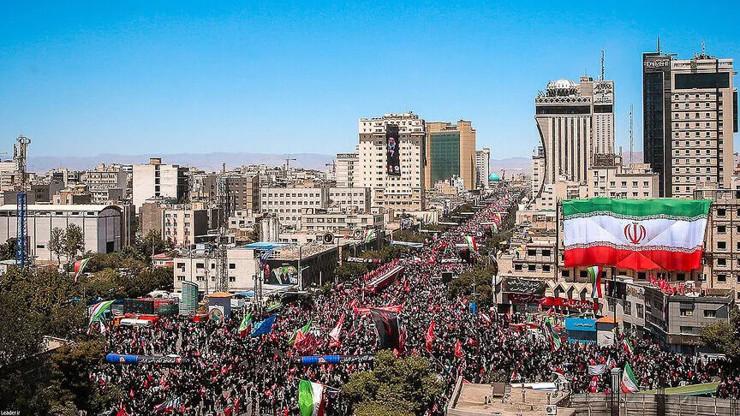
Israeli Strike Kills Ayatollah Ali Khamenei, Buried at Imam Reza Shrine in Mashhad
19 sources compared
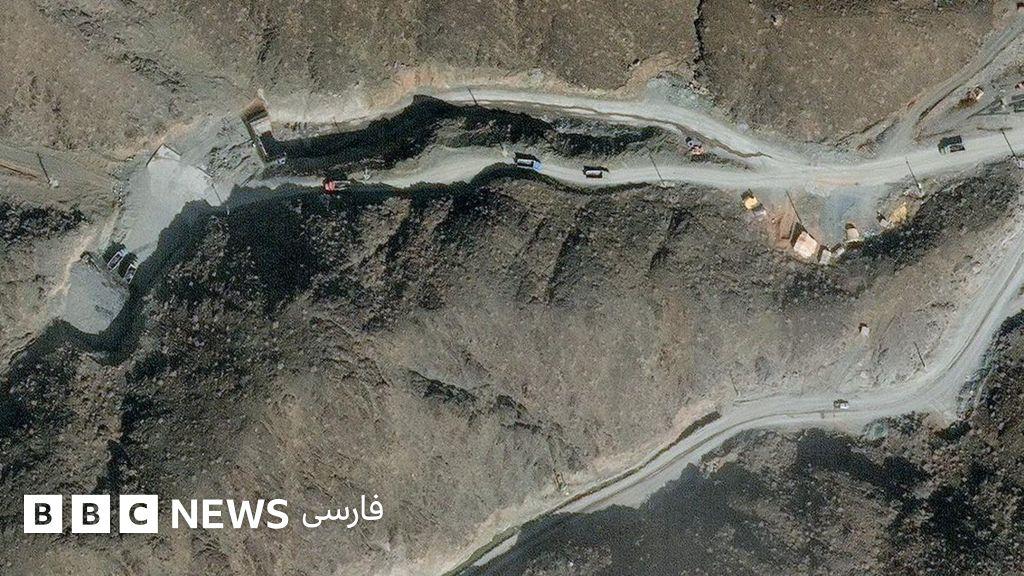
Iran Attempts To Restore Nuclear Sites Damaged In US And Israel Strikes, CNN Satellite Images Show
15 sources compared
Abbas Araghchi and Prince Faisal Bin Farhan Discuss Regional Developments After US Attacks
11 sources compared

Trump Says U.S. Agreed to Continue Iran Talks, Ceasefire Is Over
19 sources compared