Full story
Hormuz Route Talks
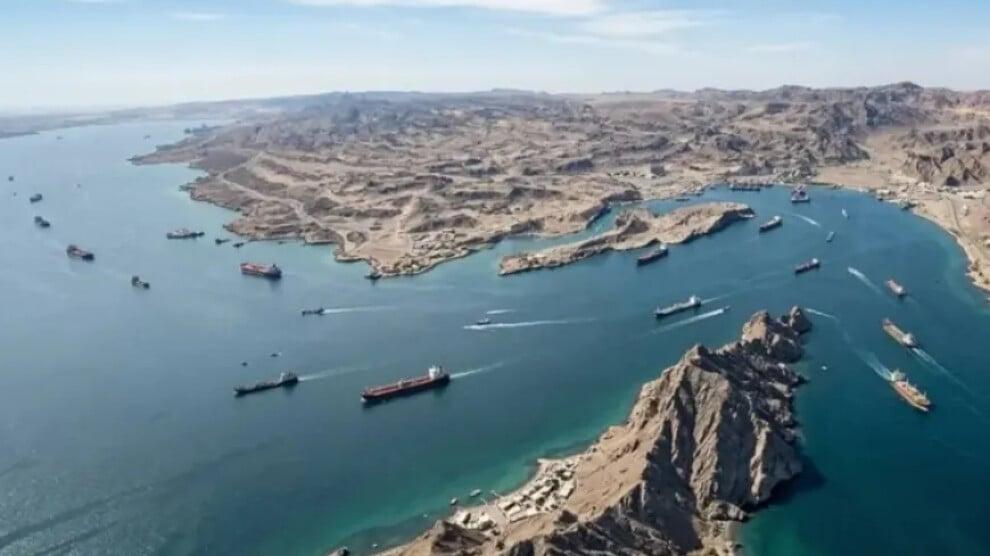
Iran and Oman are expected to unveil a new traffic arrangement for the Strait of Hormuz imminently, with Iran’s foreign ministry saying the two countries agreed the geographical coordinates of a proposed route and were completing a joint statement.
“The US has opposed any compulsory charges, arguing that the strait is an international waterway”
Reuters reported that a proposed deal between Iran and Oman would give Tehran control over ships entering the Gulf through the Strait of Hormuz, a concession a senior Iranian source and two regional officials described to Reuters.

The dispute is framed as a shift from a pre-war situation where the strait was freely open to all ships with no fees, to a new regime where fees and control are central sticking points.
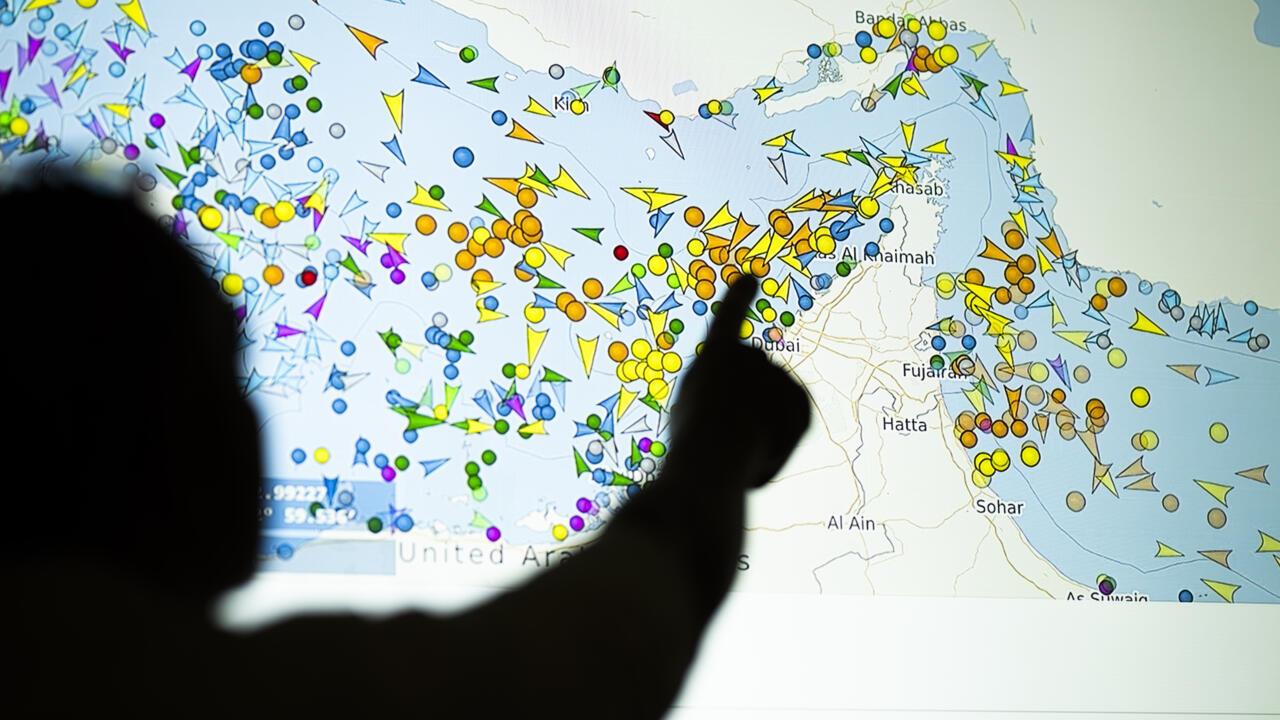
NBC News said traffic through the Strait of Hormuz is back down following a brief pick-up, and that vessel traffic is nowhere near the hundred-plus ships a day that were traversing the strait before the war.
The stakes are tied to U.S. opposition to compulsory charges, with the U.S. arguing the strait is an international waterway where the right of transit passage must be maintained.
Fees, Control, and Pressure
The proposed fee structure is contested, with Reuters reporting that a senior Iranian official told Reuters the regime was looking to fees of 5-7% of the cargo while Oman was discussing fees of half that.
NBC News linked the broader disruption to Iran’s strikes on ships and demands for tolls after the U.S.-Israeli attack on Feb. 28, saying the move effectively shuttered a trade route through which some 20% of the world’s oil and natural gas once passed.
In a separate framing of the same issue, Splash247 reported that eight shipping associations warned that service fees could amount to tolls under another name and warned that “Once such a precedent is established, it becomes increasingly difficult to resist similar measures elsewhere,”.
Reuters also reported that U.S. officials have repeatedly insisted they would never agree to Iran controlling access to the world’s most important trade route for energy supplies.
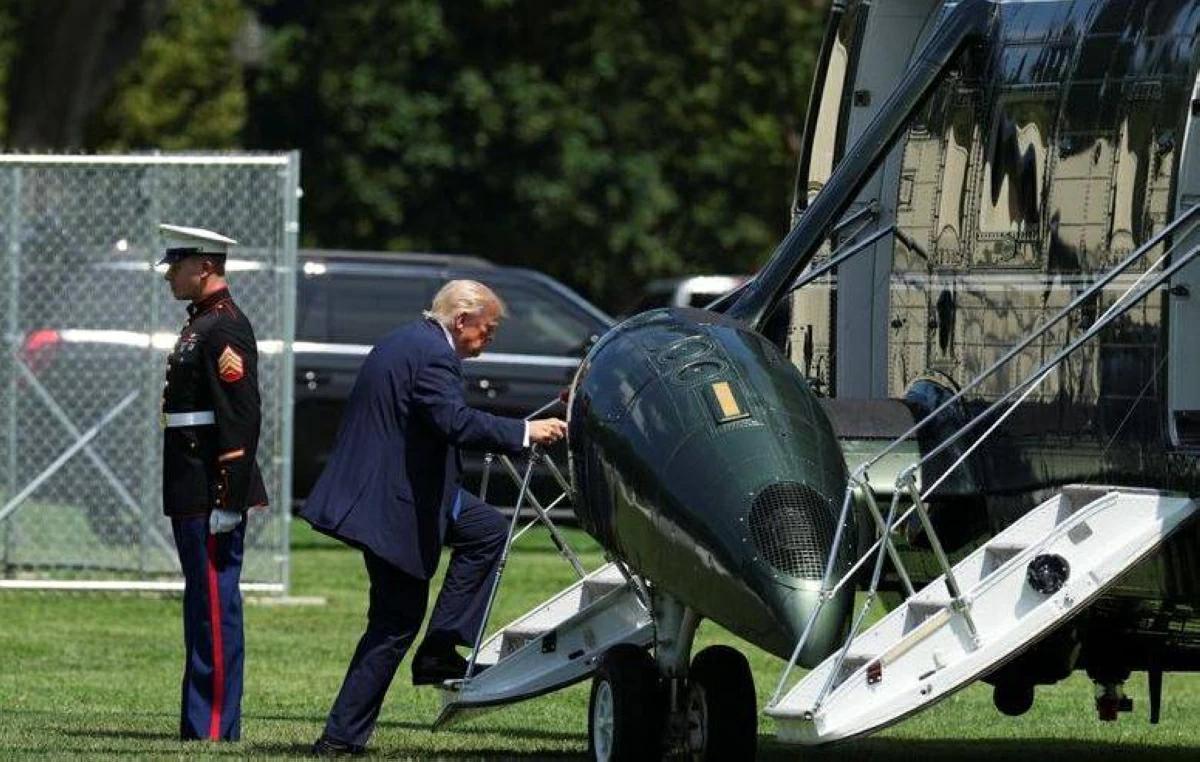
Meanwhile, Trump said in Las Vegas, “I'd rather make a deal because I don't want to kill people. I do not want to kill people,” as the negotiations over reopening the strait remained unresolved.
What Comes Next
The sources describe the reopening question as dependent on unresolved terms, with Reuters saying regional and Iranian sources cautioned that significant issues remained unresolved and pushed back against suggestions from Trump that a deal reopening the strait was imminent.
“reopening the strait, which Iran has controlled since the outbreak of the war in late February, will depend on Washington’s behavior”
Reuters reported that Gulf negotiators insisted regional countries supervise inspections of ships, and that any payment of fees be voluntary, while the senior Iranian official said the text of an agreement envisioned Iran having control of ships heading into the Gulf.
AFP’s account said Iran announced it had reached an agreement with Oman on a new route for ships to pass through the Strait of Hormuz, but that reopening the strait would depend on Washington’s behavior and on the U.S. imposing a blockade on Iranian ports.
CNN Arabic described three routes emerging through the strait, including an Iran route through territorial waters mandated since June 19, an Oman–International Maritime Organization route along the Omani coast, and a pre-war route that Iran classifies as a “dangerous area.”
The U.S. Army said about 1,000 ships passed through the Strait of Hormuz with the help of American forces in the past three months, and that Centcom changed the course of 44 commercial ships, disabled two ships, and boarded two others as part of its operations in the region.