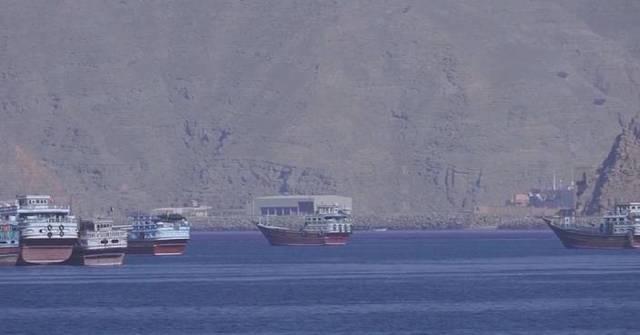
Iran and Oman Coordinate Future Strait of Hormuz Transit Arrangements After Muscat Talks
Key Takeaways
- Iran and Oman agreed future Hormuz transit arrangements to be decided through bilateral talks.
- Muscat talks focused on bilateral mechanisms for safe transit and navigation through the Strait.
- Iranian Foreign Ministry says future arrangements must be determined exclusively by Iran-Oman consultations.
Talks in Muscat
Iran and Oman advanced coordination on future transit arrangements for the Strait of Hormuz after talks in Muscat on Saturday, with Iran’s Foreign Ministry spokesman Esmaeil Baghaei saying the meeting between the foreign ministers was aimed at coordinating between the two littoral states on management of transit and navigation.
“Iran says Hormuz Strait's management arrangements must be made in consultations with Oman Iranian Foreign Ministry spokesman Esmaeil Baghaei has said Iran insists that arrangements for the future administration of maritime traffic in the Strait of Hormuz must be made through consultations with Oman, according to the Iranian Foreign Ministry on Sunday”
Baghaei said the discussions included ensuring the security and safety of navigation in the Strait of Hormuz while respecting sovereign rights and “the applicable rules of international law,” and he tied Iran’s position to “Clause 5 of the Islamabad Memorandum of Understanding.”

The Iranian Foreign Ministry spokesman said Iran maintains that future arrangements governing transit through the Strait of Hormuz should be developed through consultations between the two littoral states, taking into account developments of recent months and “the imposed US-Zionist regime war and its security implications for navigation in the Strait of Hormuz.”
Baghaei added that Oman and Iran agreed to continue discussions at both the political and technical-legal levels to reach a shared understanding on ensuring the security of navigation in the strait, and he said a delegation from the Qatari government was present during part of the talks as a representative of a regional mediator in US-Iran negotiations.
The Express Tribune also described a separate escalation track in the same period, saying the US carried out strikes on Iranian missile and air defence systems around the Strait of Hormuz and that Iran said it had closed the waterway after a warning shot struck a vessel on an unapproved route.
Strait closed, navigation disputed
While Iran and Oman discussed future transit management, the Express Tribune reported that the US carried out several strikes on Iranian missile and air defence systems and targeted small speed boats of the IRGC at several locations around the Strait of Hormuz, citing a senior US official.
The same article said Trump told NBC’s Meet the Press that the Strait of Hormuz is open to commercial traffic and that US forces are “prepared” to ensure freedom of navigation, while also noting that a day earlier US and Iranian forces exchanged fire and Iran said it had closed the vital waterway.

In response to the closure claim, the Express Tribune said Iran warned that any retaliation over the incident would be met with a “severe response,” and it reported that US Central Command said commercial vessels continue to transit through the waterway that carried one-fifth of the world’s oil and LNG shipments before the war.
Separately, Anadolu Ajansı reported that Ebrahim Rezaei, spokesman for the Iranian parliament’s Commission on National Security and Foreign Policy, said Tehran is now in control of the strait and quoted him on X: “We have taken control of the Strait of Hormuz with power, and we will preserve it with power as well.”
Anadolu Ajansı also said Iran’s Revolutionary Guards announced early Sunday that the Strait of Hormuz would be closed until further notice amid an exchange of attacks between Tehran and Washington.
Regional stakes and next steps
The diplomatic focus on transit arrangements sits alongside reported attacks on shipping and wider regional reactions, with the Express Tribune saying India condemned an “attack” on the commercial cargo ship GFS Galaxy off the coast of Oman and reported that 10 were rescued and one Indian national was reportedly missing.
The Express Tribune also quoted India’s Ministry of External Affairs saying the “continuing incidents of attacks” on commercial shipping in the region are “deeply worrisome,” and it called for immediate de-escalation and the conclusion of negotiations for a diplomatic solution.
In the same reporting, Kuwait condemned Iranian attacks as a “dangerous escalation” and a “grave violation” of Kuwait’s sovereignty, while Saudi Arabia condemned Tehran’s “destabilising behaviour” and said repeated Iranian attacks on commercial vessels threatened “the security and freedom of navigation.”
On the Iran-Oman track, Baghaei told reporters that the two sides agreed to continue political, legal, and technical consultations to reach a common understanding on navigation security in the strait, and he said future traffic management arrangements should be decided through consultation between Iran and Oman.
The Express Tribune framed the immediate stakes as the risk of further escalation after a series of attacks between the US and Iran over the past several days led President Donald Trump to declare the end of a ceasefire meant to halt the fighting that the US and Israel began on February 28, while leaving the door open to continued negotiations.
More on Iran

United States Launches Another Wave of Strikes on Iran, Hitting Qeshm Island and Farur
10 sources compared
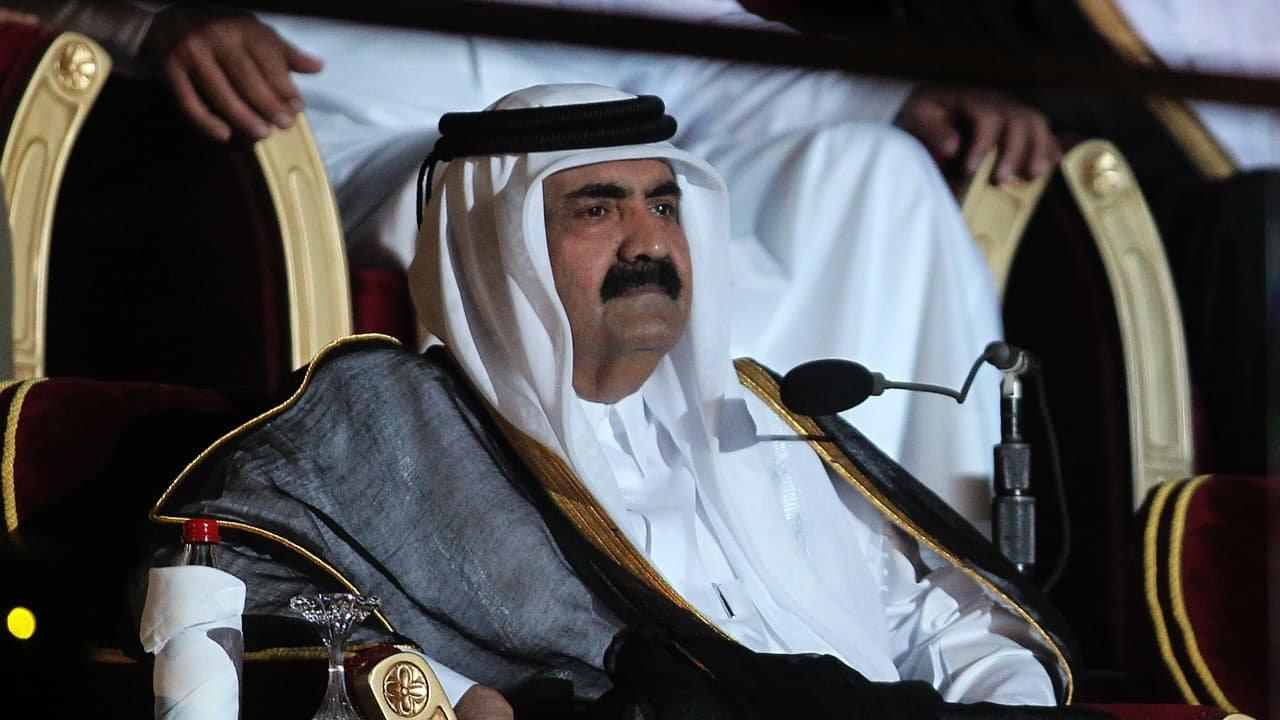
Former Emir of Qatar Sheikh Hamad Bin Khalifa Al Thani Dies At 74
26 sources compared
United States Launches Another Round Of Strikes On Iran After IRGC Attacks Commercial Vessel
13 sources compared
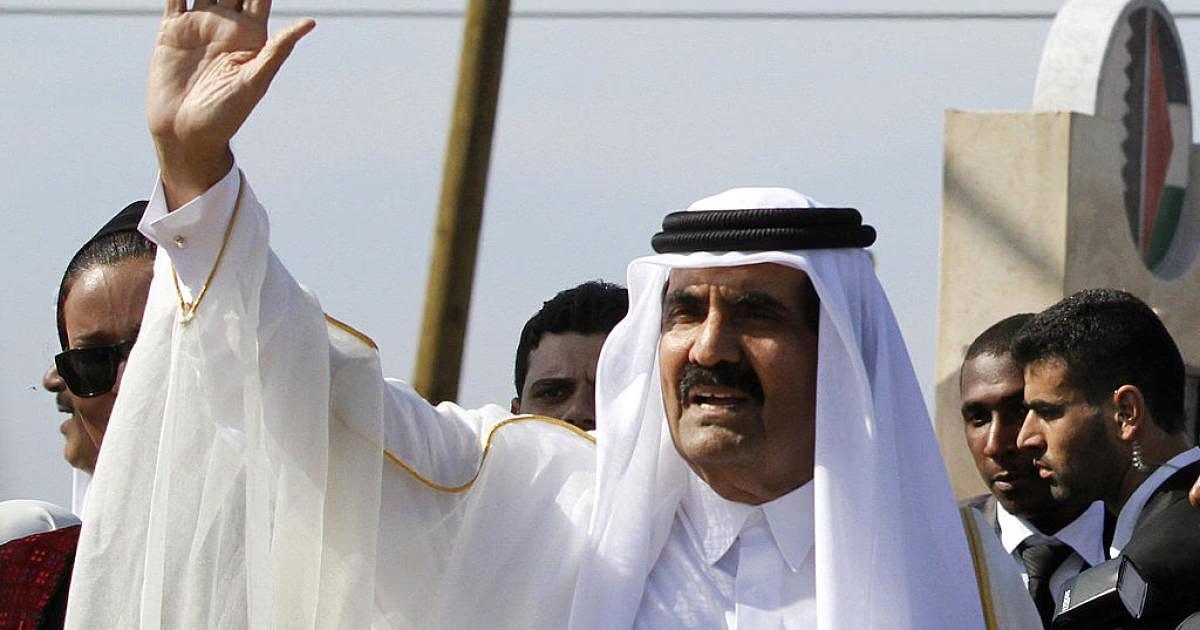
Qatar Holds Funeral Prayers for Former Emir Sheikh Hamad bin Khalifa Al Thani in Doha
21 sources compared