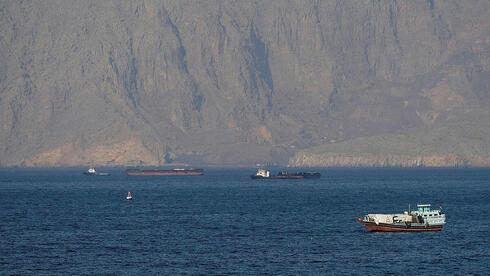
Iran And Oman Negotiate Strait Of Hormuz Ship Payment System Despite U.S. Opposition
Key Takeaways
- Iran and Oman negotiating a permanent toll system charging vessels through the Strait of Hormuz.
- The talks proceed despite US warnings against shipping fees crossing Hormuz.
- New York Times reports toll framework, highlighting monetisation and traffic management.
Hormuz fees talks
Iran and Oman are negotiating a payment system for ships passing through the Strait of Hormuz, with the discussions described as charging fees to vessels rather than ending the war or easing the blockade dynamics.
DatamarNews says Iran’s newly created Persian Gulf Strait Authority posted on social media that it had “defined the boundaries of the supervisory management area of the Strait of Hormuz” and that passage would require a permit.

The talks are framed as a response to late-February attacks by American and Israeli forces that led Iran to effectively halt commercial traffic through the strait, disrupting international shipping and driving up energy prices.
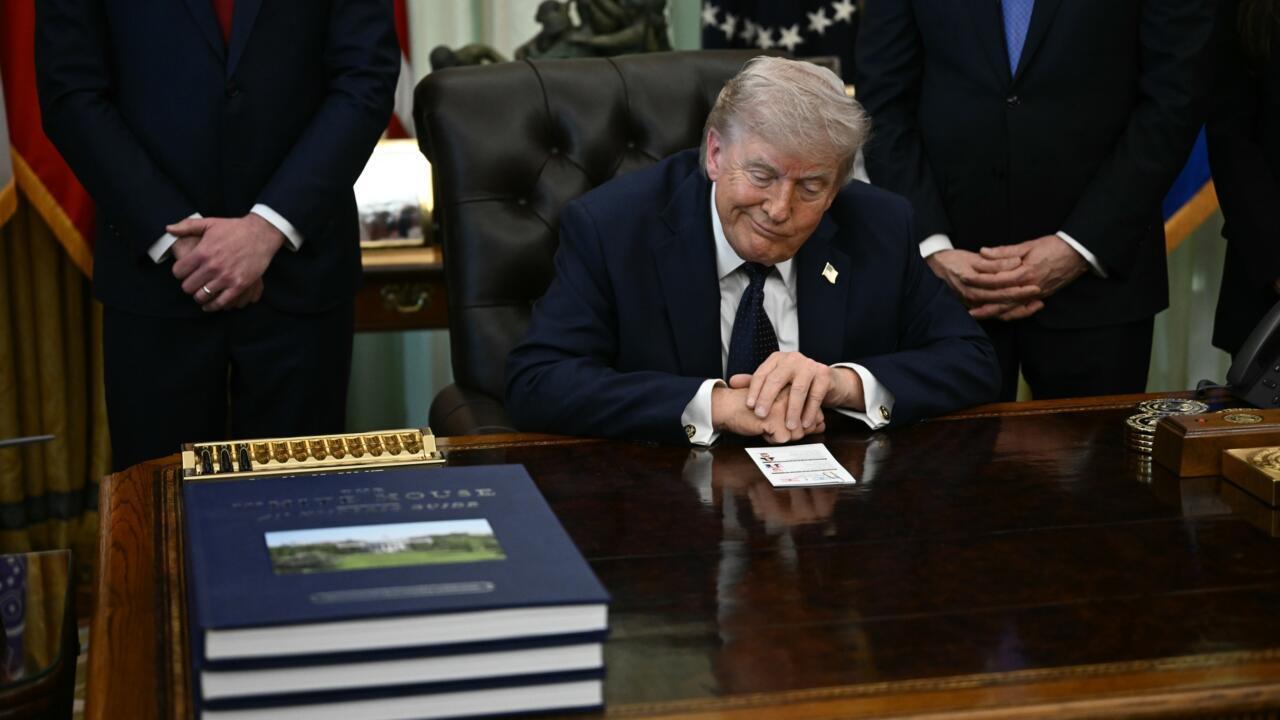
In the same reporting, the U.S. position is captured by President Donald Trump’s Oval Office line, “We want it to be free,” as he rejected any payment for passage through the strait.
U.S. Secretary of State Marco Rubio is also quoted rejecting the idea, saying, “It would be unacceptable. It would make a diplomatic agreement unworkable if they continued pursuing this.”
Legal fight over tolls
The core dispute centers on whether the proposed system is a transit toll or fees for services, with DatamarNews noting that a toll system that charges ships for passing would be illegal under international law while charging fees for services provided can be allowed under certain circumstances.
DatamarNews quotes James Kraska, professor of international maritime law at the U.S. Naval War College and visiting professor at Harvard Law School, saying the navigation regime that prohibits payment for passage is “virtually universally accepted.”
Kraska also warned that Iran would face the challenge of proving its fees are genuinely reasonable and correspond to the services provided, adding, “They are trying to cleverly fit their proposal within the legal framework”.
CNBC adds that the U.S. and Iran signaled progress in talks to end the war but remain at odds over Tehran's enriched uranium stockpile and tolls on the Strait of Hormuz, with Rubio telling reporters in Miami, “No one in the world is in favor of a tolling system.”
CNBC further reports Rubio’s warning that any deal would be “unfeasible” if Iran pursues measures to permanently control shipping through the Strait of Hormuz.
Ceasefire, sanctions, and leverage
While the U.S. and Iran are exchanging messages and have reached a fragile ceasefire, multiple outlets describe the Strait of Hormuz as still effectively blocked, with Iran continuing to explore fees and the U.S. continuing to blockade Iranian ports.
“Iran is quietly negotiating with the Gulf state of Oman over a plan to charge vessels for passing through the Strait of Hormuz, a move that puts Tehran on a direct collision course with US President Donald Trump even as both sides claim to be working toward a diplomatic resolution, according to a New York Times report”
CNBC says the combatants remain at loggerheads as Tehran blocks the Strait of Hormuz and Washington blockades Iranian ports, and it notes that the U.S. president has pledged to recover Iran's stockpile of enriched uranium.
DatamarNews reports that even after reaching a fragile ceasefire with the U.S., Iran continued exploring the idea of imposing fees on ships transiting the strait, including service, transit, and environmental fees.
In parallel, DatamarNews describes how Iranian officials began discussing ways to maintain control over the waterway and use it to generate revenue after establishing influence over the global economy.
WION reports that Iran’s Persian Gulf Strait Authority has formalized the service-fee approach, and it says the operators are required to submit an extensive 40-question vetting form before paying the fee.
More on Iran
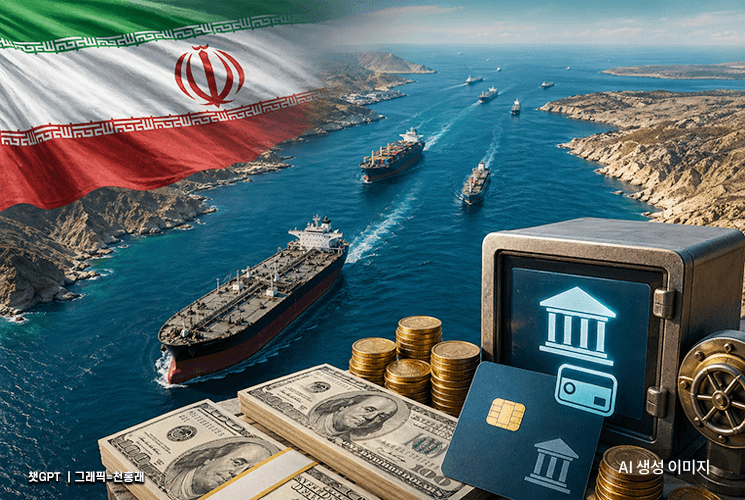
IRGC Navy Coordinates 35 Vessels Transiting Strait of Hormuz in Past 24 Hours
16 sources compared

Pakistan Mediates US-Iran Talks as Marco Rubio Says Breakthrough Is Not Yet Reached
16 sources compared
Tulsi Gabbard Resigns As Trump’s Director Of National Intelligence, Citing Husband’s Bone Cancer
49 sources compared
Marco Rubio Says Pakistan Mediates US-Iran Talks Over Strait Of Hormuz Tolls
10 sources compared