Iran · 07 September, 2026 · 2 min read
Iran Announces Restricted Zone Outside Strait of Hormuz, Threatens Retaliation Over U.S. Attacks
Iran to declare a restricted zone outside the Strait of Hormuz extending into the Gulf. Violating ships would be sanctioned and placed on a sanctions list.
Iran says it will sanction ships; CGTN adds insurance/future-passage impacts.
1 of 2 outlets skipped it: iran test-fired an anti-destroyer missile above a US aircraft carrier.
The Jerusalem Post was read line by line by the Watchdog: 5.0. See the score →
36outlets compared
Same story, two versions
tap a side to read it in full
ABC News
“any ship that enters the zone "with the intention of crossing the Strait of Hormuz" will be put on a sanctions list.”Read the original ↗
CGTN
“would face sanctions affecting their insurance coverage and future passage through the waterway.”Read the original ↗
CGTN specifies practical economic effects, while ABC keeps it generic.
Restricted Zone Threatens Shipping
Iran’s security leadership said Tehran will announce a restricted zone outside the Strait of Hormuz and parts of the Gulf, with ships entering the area to be placed on a sanctions list.
“any ship that enters the zone "with the intention of crossing the Strait of Hormuz" will be put on a sanctions list”
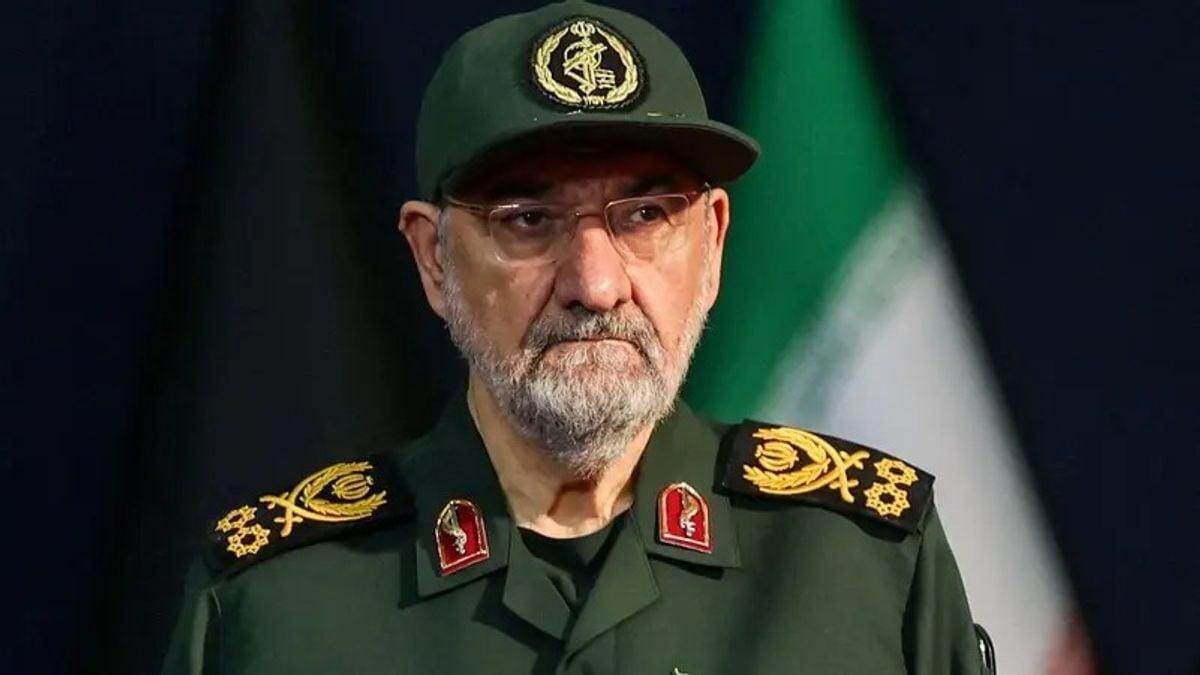
ABC News reported that Mohsen Rezaei, secretary of Iran’s Supreme National Security Council, said the restricted prohibited zone would begin from the blockade line of the U.S. ANavy and extend to the Persian Gulf, and that any ship entering with the intention of crossing the Strait of Hormuz would be put on a sanctions list.
Reuters said Iran threatened on Monday to retaliate against any new U.S. attacks on its assets, warning that energy infrastructure across the Gulf, including U.S. oil and gas interests, was vulnerable.
In the same Reuters report, Parliament Speaker Mohammad Baqer Qalibaf wrote on X, “Strike our assets and you get struck,” after U.S. and Iranian strikes on shipping at the weekend pushed oil prices up near six-week highs on Monday.
Retaliation Rhetoric and Denials
Iran’s warnings came as the U.S. and Iran continued to exchange strikes, with the strategic Strait of Hormuz described as the primary flashpoint in ABC News’ live updates.A
ABC News said President Donald Trump announced “major combat operations” against Iran on Feb. A28, and that the U.S. and Iran entered negotiations in June aimed at a war-ending deal based on a memorandum of understanding signed by both countries.

Reuters reported that Rezaei said Tehran would soon announce a new restricted zone in the Gulf and unveil a new shipping corridor through the strait, and that the zone would begin where a U.S. naval blockade of Iran starts and extend into parts of the Gulf.
Reuters also quoted Qalibaf reinforcing Tehran’s warning in what appeared to be a response to U.S. Defense Secretary Pete Hegseth, writing on X that “the oil and gas production chain here is sprawling, accessible, and exposed.”
Shipping Squeeze and Wider Stakes
The restricted-zone announcement sits inside a broader standoff over shipping and sanctions, with Reuters describing how Iran has tightened restrictions on shipping through the Strait of Hormuz since the war began with U.S. and Israeli strikes on February 28.
“Shipping data showed an average of just 10 commodity vessels per day transited the strait”
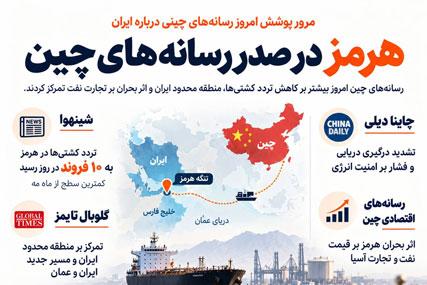
Reuters said shipping data showed an average of just 10 commodity vessels per day transited the strait over the past 10 days, the lowest level since May, after tanker attacks and naval confrontations.
The Globe and Mail reported that U.S. forces struck three Iranian oil tankers on Saturday, including one off Kharg Island, and that an average of 10 commodity ships transited the Strait per day in the past 10 days, the lowest since May.
In the Globe and Mail’s account of the economic stakes, it said Iran’s Parliament Speaker Mohammad Baqer Qalibaf warned that “From now on, any attack against Iran’s interests and security will receive a faster, heavier and more painful response,” linking the military front to “production and people’s livelihoods.”