
Iran Attacks Gulf Energy Facilities After Intelligence Chief Esmail Khatib's Assassination
Key Takeaways
- Iran retaliated with missile strikes on Gulf energy facilities after the intelligence chief's death.
- Strikes signify widening regional escalation, prompting cross-border hostilities and Hezbollah involvement.
- Disruption to Gulf energy networks risks global oil and gas prices.
Gulf Energy Strikes
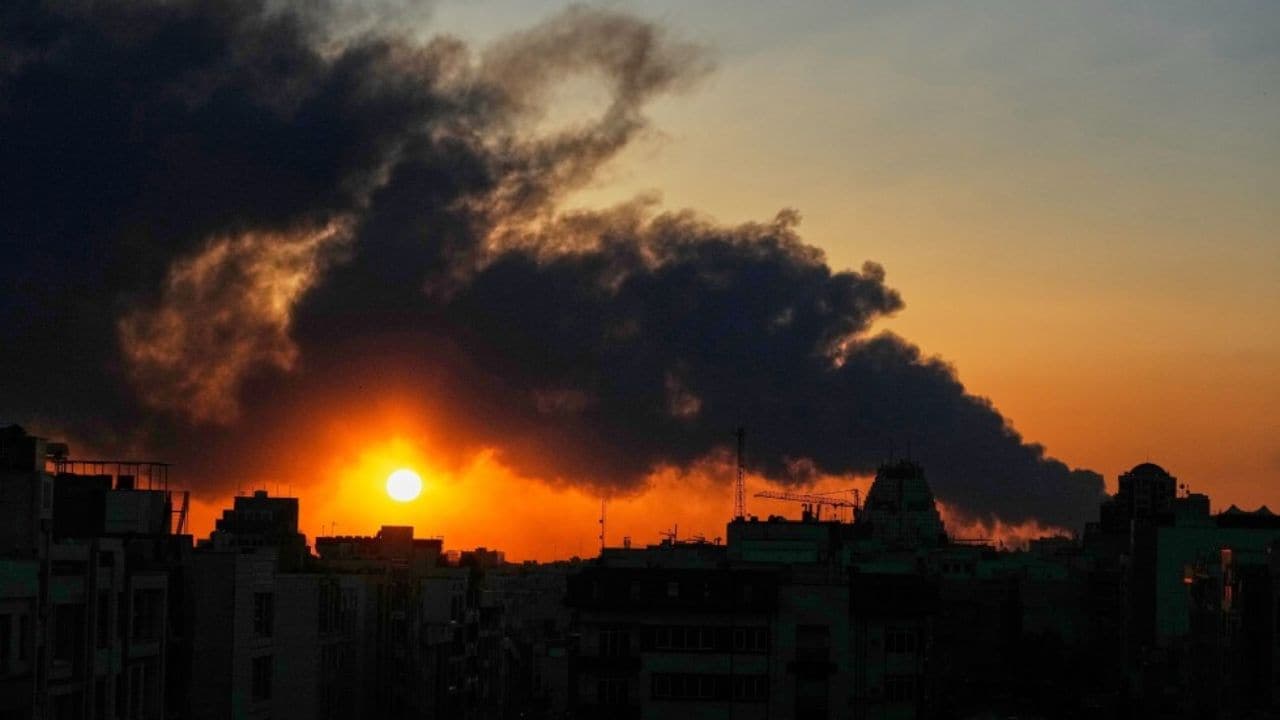
Iran launched coordinated missile strikes on oil and gas infrastructure across the Gulf on Wednesday.
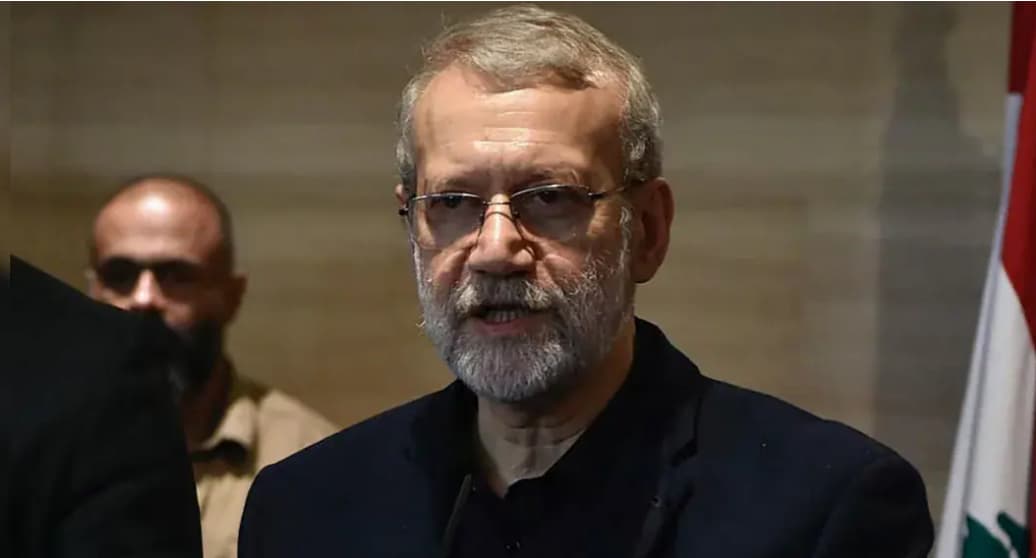
“Larijani: Iran power player who rose then fell on winds of war When Israeli and US strikes killed Ayatollah Ali Khamenei at the start of the Middle East war, Iran's security chief Ali Larijani briefly became even more powerful than he had been for decades”
The attacks were a direct retaliation for the assassination of Intelligence Minister Esmail Khatib.
The Islamic Revolutionary Guard Corps declared that "the response to which is being implemented" after the strikes.
Iranian state television blamed "projectiles fired by the American-Zionist enemy" for the attacks on energy facilities.
The strikes targeted the massive South Pars gas field, the world's largest gas reserve.
Oil prices remained elevated with Brent crude trading around $103 amid ongoing conflict.
Assassination Context
The Iranian President Masoud Pezeshkian condemned the assassination of Esmail Khatib as a "cowardly assassination."
Pezeshkian mourned Khatib alongside other senior security officials including Ali Larijani and Aziz Nasirzadeh.
Israeli Defense Minister Israel Katz publicly claimed responsibility for eliminating Khatib.
Katz announced that Netanyahu and he had authorized the IDF to eliminate any senior Iranian official without requiring additional approval.
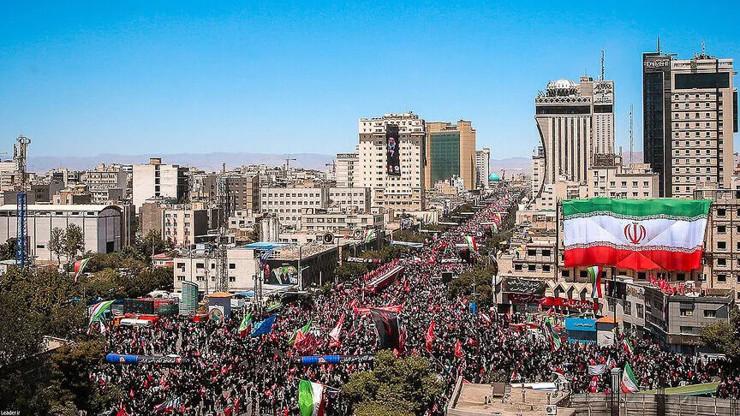
Large crowds gathered in central Tehran for funerals of multiple Iranian officials killed in recent strikes.
Mourners carried portraits of the slain supreme leader and beat their chests in traditional Shia mourning rituals.
Regional Impact
Iraq's Kurdish regional government approved resuming oil exports through the Ceyhan pipeline.
“Markets have been wary that prolonged disruption to global oil supplies could drive prices sharply higher, hurting the world economy by straining household budgets and raising companies’ transport costs”
US Special Envoy Tom Barrack welcomed the oil resumption as strengthening regional economic cooperation.
Israel urged residents of southern Lebanon's Tyre city to evacuate ahead of strikes targeting Hezbollah-linked sites.
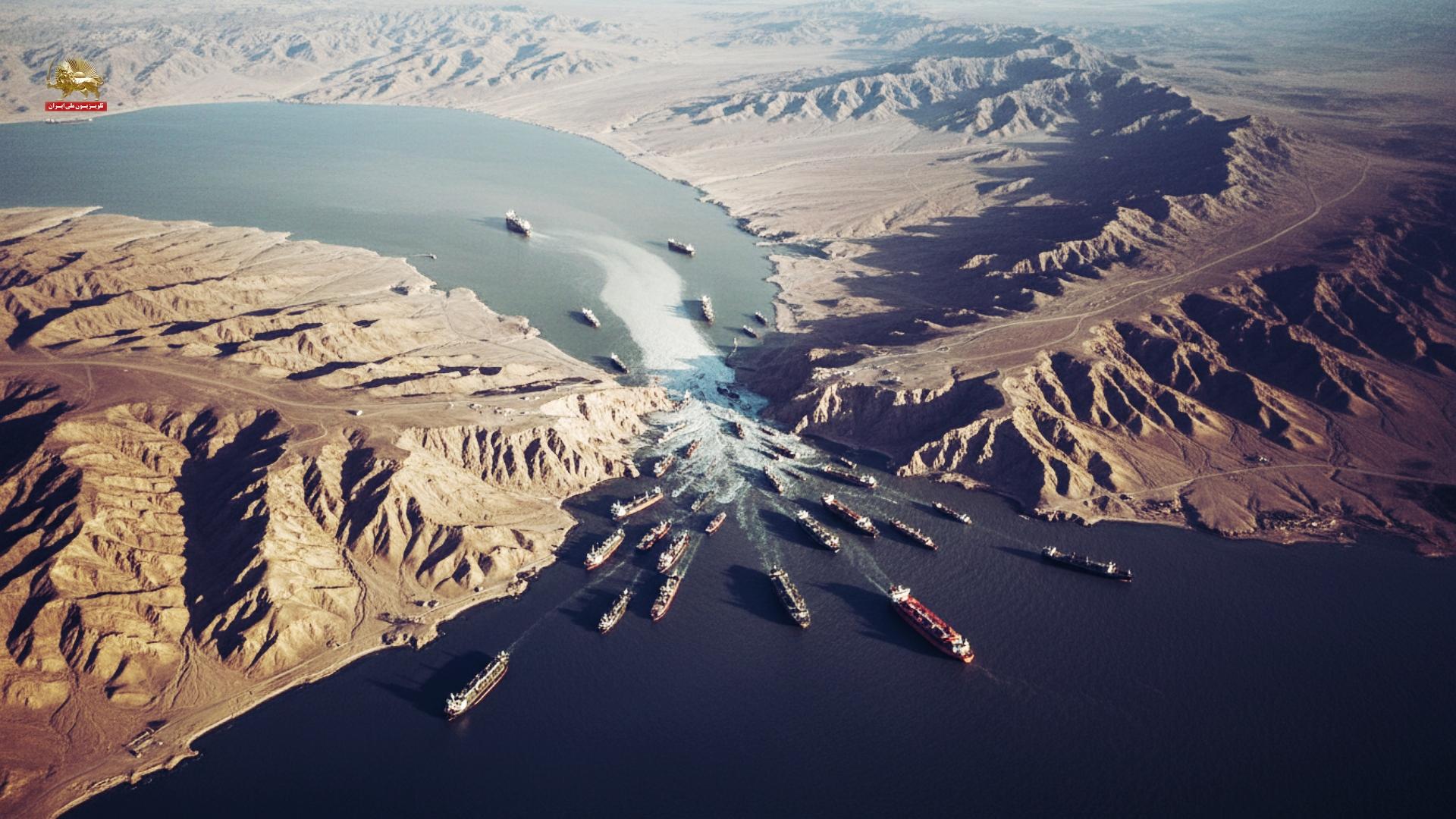
The US military bombed Iranian missile launch sites near the Strait of Hormuz using 5,000-pound deep penetrator munitions.
Iran's Islamic Revolutionary Guard Corps vowed "bloodlust" for the killing of Basij force commander Gholamreza Soleimani.
An internet blackout imposed by Iranian authorities severely restricted communication from within the country.
Strategic Implications
Strategic analysts warn that targeted killings of senior Iranian officials have created a structural crisis for the Islamic Republic.
The killing of Ali Larijani, Iran's "most influential powerbroker," has pushed the Islamic Republic into a more uncertain phase.

Reuters reports that "a system built for endurance is being tested by attrition" as experienced officials are eliminated.
The pool of figures capable of managing both war and statecraft is reportedly shrinking.
Alex Vatanka described Israel's strategy as "a campaign of 'counter-regime warfare'" aimed at dismantling Iran's politico-security architecture.
Iranian officials report few figures possess the legitimacy and experience needed for effective political strategy.
Humanitarian Impact
Over 800 people have been killed in Lebanon in Israeli strikes against Iran's ally Hezbollah.
“The war has engulfed the region, from Gulf nations to Iraq and nearby Lebanon”
The conflict has resulted in 13 US soldiers dead and over 200 US troops wounded.
Scores of schoolchildren were reported killed in an apparent US strike on a school in southern Iran.
Funerals were held for more than 80 Iranian sailors killed in a US torpedoing of their frigate off Sri Lanka.
Iranian Foreign Minister Abbas Araghchi noted "a rising number of voices exclaim that the war on Iran is unjust."
President Trump expressed frustration with European allies over their reluctance to support Washington in the Iran war.
More on Iran
Israeli Strike Kills Ayatollah Ali Khamenei, Buried at Imam Reza Shrine in Mashhad
19 sources compared
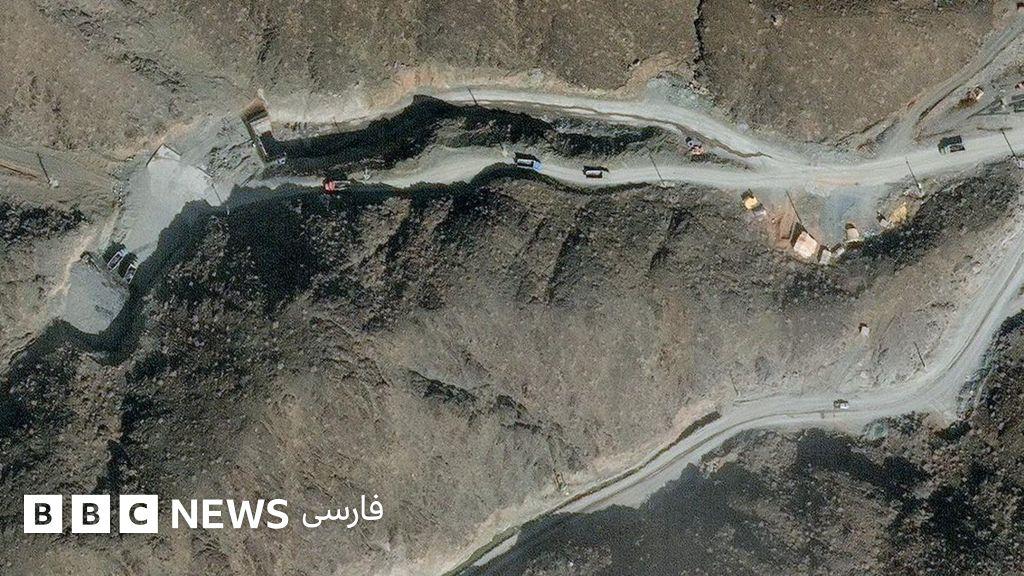
Iran Attempts To Restore Nuclear Sites Damaged In US And Israel Strikes, CNN Satellite Images Show
15 sources compared
Abbas Araghchi and Prince Faisal Bin Farhan Discuss Regional Developments After US Attacks
11 sources compared

Trump Says U.S. Agreed to Continue Iran Talks, Ceasefire Is Over
19 sources compared