
Iran Attacks Gulf Energy Sites as Netanyahu Says Israel Can No Longer Enrich Uranium
Key Takeaways
- Iran escalates attacks on Gulf energy facilities, raising regional tension and energy risk.
- Israel strikes Iran's energy sites; retaliations follow and energy markets worry.
- Qatar calls for immediate end to war on Iran; Jordan condemns strikes on Syria.
Gulf Energy Attacks
Iran launched widespread attacks targeting energy infrastructure across multiple Gulf states.
“Qatar expressed its strong condemnation and denunciation of the Israeli attack that targeted military facilities in southern Syria, while Jordan called on Israel to halt its attacks on Syrian territory”
The attacks hit oil refineries in Saudi Arabia, natural gas facilities in Qatar and the UAE, and operations in Kuwait and Abu Dhabi.

The attacks came in response to Israel's strike on Iran's South Pars natural gas field, the world's largest gas field located in the Persian Gulf.
Iranian missiles caused extensive damage to Qatar's Ras Laffan liquefied natural gas facility, reducing its exports by about 17 percent.
The damage is expected to cost approximately $20 billion in lost revenue annually, with repairs taking up to five years.
Saudi Arabia reported its SAMREF refinery in Yanbu was hit during the attacks.
Authorities confirmed attacks on gas operations in Abu Dhabi and two oil refineries in Kuwait.
Millions of Israelis fled to shelters as Iranian missiles struck central parts of the country, Jerusalem, and nearby areas including the West Bank.
Economic Impact
The attacks triggered significant economic disruption with global oil prices surging above $110 per barrel.
This created widespread financial consequences across international markets.

Asian stock benchmarks declined sharply as markets reacted to instability in Middle Eastern energy supplies.
Japan's Nikkei 225 index sank 2.7%, South Korea's Kospi lost 2.6%, and Hong Kong's Hang Sang and Taiwan's Taiex both dropped 1.4%.
The United Arab Emirates condemned the attacks as posing 'a serious threat to global energy security and regional stability.'
UAE emphasized that targeting energy infrastructure constitutes 'a direct threat not only to global energy supplies but also to regional security.'
Qatar's Foreign Ministry spokesperson described the targeting as a 'dangerous and irresponsible step.'
Qatar warned that such actions threaten energy security, the environment, and civilian populations across the region.
Regional Condemnation
In a unified diplomatic response, foreign ministers from 12 Arab and Islamic states issued a joint statement condemning Iran's attacks.
The ministers called for an immediate halt to military actions.
They denounced Iran's attacks on Gulf states, Jordan, Azerbaijan and Turkey.
The attacks targeted 'residential areas, civilian infrastructure, including oil facilities, desalination plants, airports, residential buildings and diplomatic premises.'
Saudi Arabia declared that it 'reserved the right to take military actions' against Iran if deemed necessary.
Saudi Foreign Minister Prince Faisal bin Farhan stated that Iran's message was 'quite clear'.
He noted that targeting Riyadh while diplomats were meeting was not coincidental.
The joint statement came as Gulf states grappled with being caught between Iranian retaliation and their non-involvement in U.S.-Israeli military actions.
Official statements emphasizing direct noninvolvement had 'fallen on deaf ears in Tehran.'
Military Claims
Prime Minister Benjamin Netanyahu addressed the escalating conflict at a news conference.
Netanyahu claimed that Israel's military campaign has severely damaged Iran's capabilities.
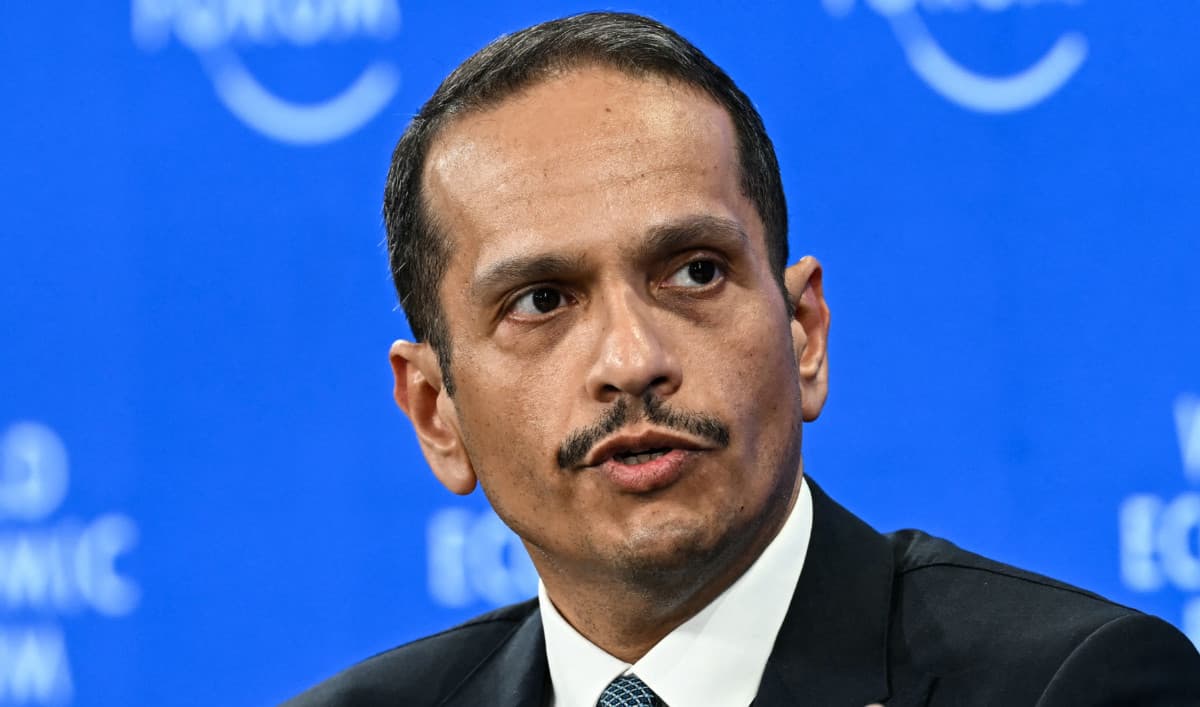
He asserted that 'Iran's air defenses have been rendered useless, their navy is lying at the bottom of the sea. … Their air force is nearly destroyed.'
Netanyahu expressed hope that the Iranian people would rise up against the Islamic Republic.
The Israeli leader denied misleading anyone about preventing Iran from developing nuclear weapons.
He stated 'I misled no one. And I didn't have to convince President Trump about the need to prevent Iran from developing its nuclear program.'
U.S. General Dan Caine reported that American forces were attacking deeper into Iranian territory.
U.S. warplanes were hunting Iranian boats in the strait and dropping 5,000-pound bombs on underground weapons-storage facilities.
Iran's state TV claimed to have hit an F-35 fighter jet, though U.S. Central Command confirmed only an emergency landing after a combat mission.
Strategic Analysis
Iranian officials view Israeli or American targeting of South Pars facilities as justification for hitting Qatari facilities.
This creates a complex strategic dilemma for Gulf states caught in the crossfire.
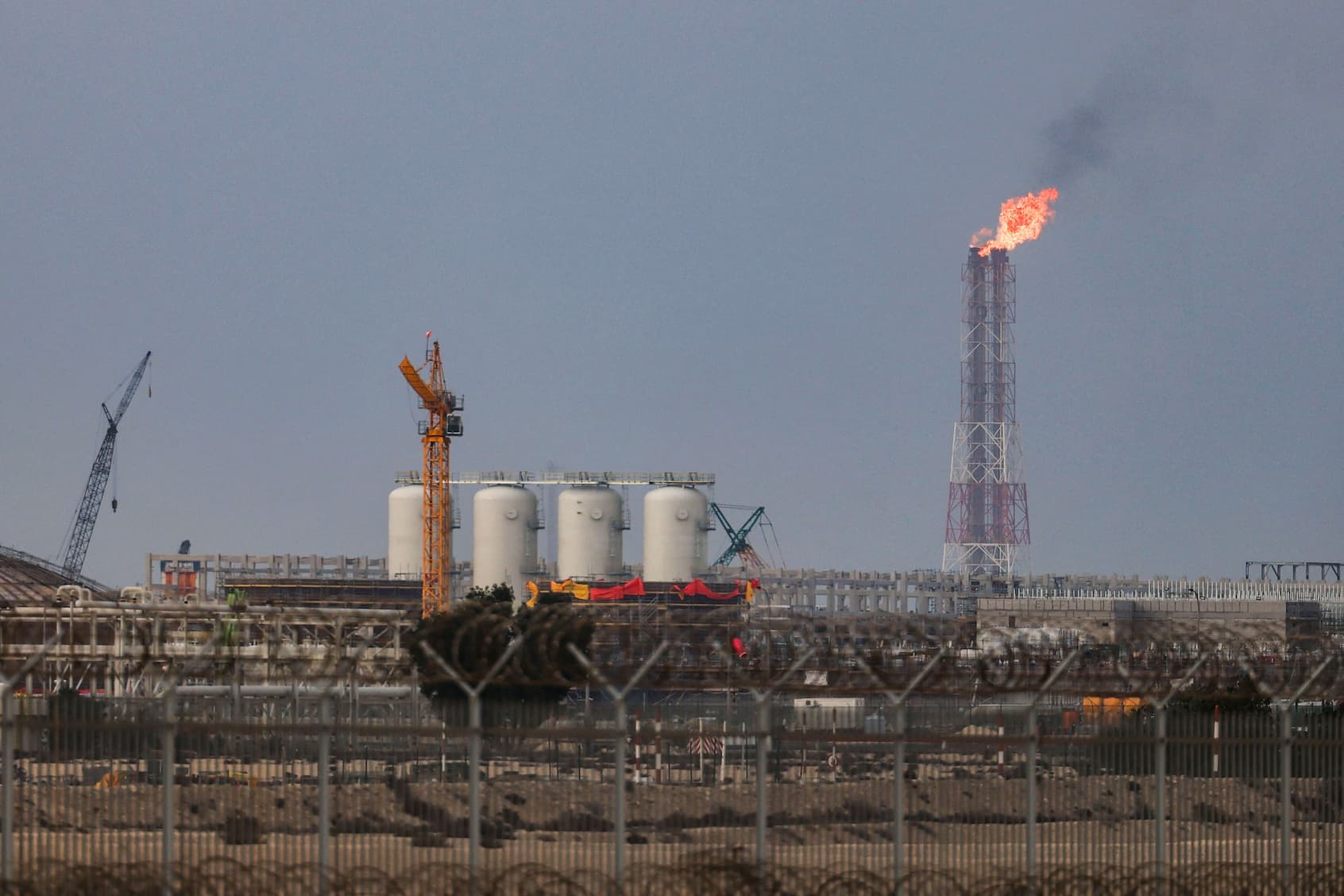
An embattled Iranian government sees itself in an existential fight and has spread the cost of war widely.
Qatar forcefully condemned the Israeli strike on Asaluyeh as a dangerous escalation.
Iran's attacks have gone beyond U.S. military facilities to target sectors that put the region globally.
The energy sector has been specifically targeted, underwriting Gulf states' transformation.
Iran's parliament speaker Mohammad Bagher Ghalibaf declared that attacking Iranian oil infrastructure 'means suicide for them.'
He stated that 'the equation of an eye for an eye is in place, and a new level of conflict has begun.'
This represents a strategic shift from direct retaliation to economic warfare targeting regional economic lifelines.
Future Implications
The escalating conflict poses profound implications for global energy markets and regional stability.
There is potential for widespread civilian suffering and economic disruption.
Extended repair timelines for energy infrastructure represent a major blow to Iran's economy.
Civilians will bear the brunt of these economic consequences.
Israel's targeting has focused on institutions and infrastructure used for domestic repression.
This aims to create conditions for anti-regime mobilization among Iranians.
Maritime security has deteriorated, with over 20 vessels attacked during the Iran war.
Tehran is using shipping pressure as part of its broader campaign.
A ship was set ablaze off the UAE coast near the Strait of Hormuz.
This strait typically handles 20% of the world's oil and natural gas flows.
The conflict threatens to transform a regional dispute into a global energy crisis.
There is no clear end to the cycle of retaliation and escalation in sight.
More on Iran
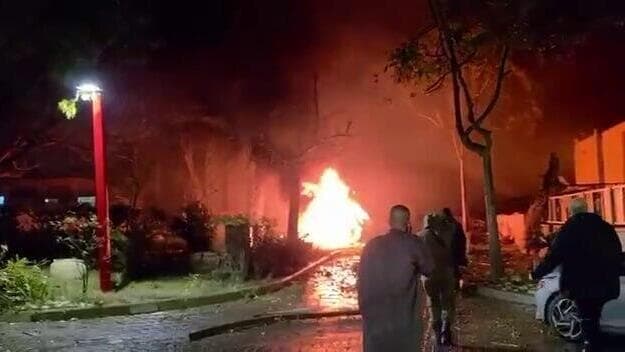
Iran Attacks Israeli Towns Dimona and Arad Near Israel's Main Nuclear Research Center, Dozens Wounded
43 sources compared
Iran Attacks Dimona in Retaliation for Natanz Strike
44 sources compared

Iran Attacks Diego Garcia with Long-Range Missiles, Targeting U.S.-UK Base
82 sources compared
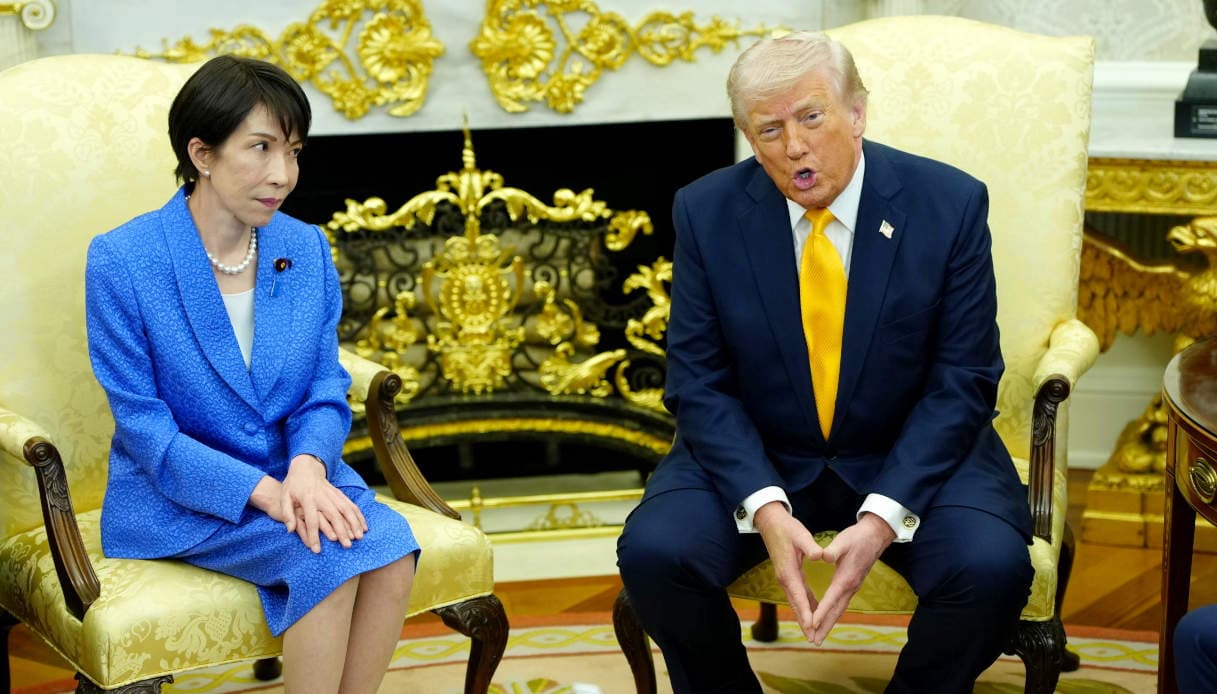
Trump Defends Iran War by Citing Pearl Harbor
12 sources compared