
Iran Attacks Qatar's Largest LNG Plant as Trump Rebukes Netanyahu over Energy Strikes
Key Takeaways
- Iran attacked Qatar's LNG complex, knocking out 17% of capacity.
- QatarEnergy CEO warned US officials and energy executives about attack risks beforehand.
- Repairs could take up to five years; loading resumes after hostilities cease.
Iranian Energy Strikes
Iran launched intense strikes across the Gulf region targeting key energy infrastructure in retaliation for an Israeli attack on Iran's South Pars gas field.
“QatarEnergy CEO Saad al-Kaabi said he warned United States officials and energy executives about the impact of a potential Iranian attack on oil and gas facilities before Tehran targeted Qatar’s Ras Laffan Industrial City, the world’s largest liquefied natural gas (LNG) complex”
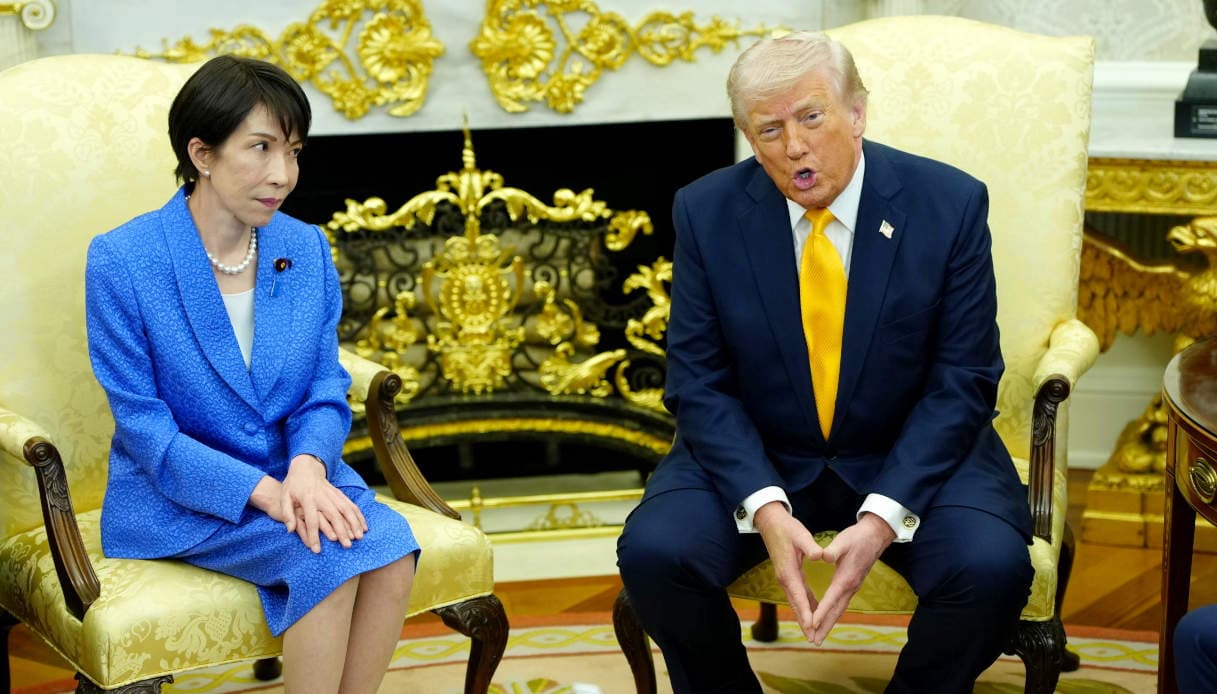
President Trump publicly rebuked Netanyahu over the energy strikes and warned against repeating such attacks.

The Iranian attacks caused extensive damage to Qatar's Ras Laffan Industrial City, the world's largest liquefied natural gas complex.
Refineries in Saudi Arabia and Kuwait were also targeted, sending shock waves through global energy markets.
Trump stated there would be no repeat of Israel's attack on Iran's key South Pars gas field but warned of a furious US response if Tehran did not halt strikes on Qatar.
Iran responded that it would have 'zero restraint' if its energy infrastructure was hit again.
Facility Damage Impact
Qatar's largest LNG facility suffered catastrophic damage from Iranian strikes.
CEO Saad al-Kaabi revealed that the attack eliminated 17% of Qatar's LNG export capability.
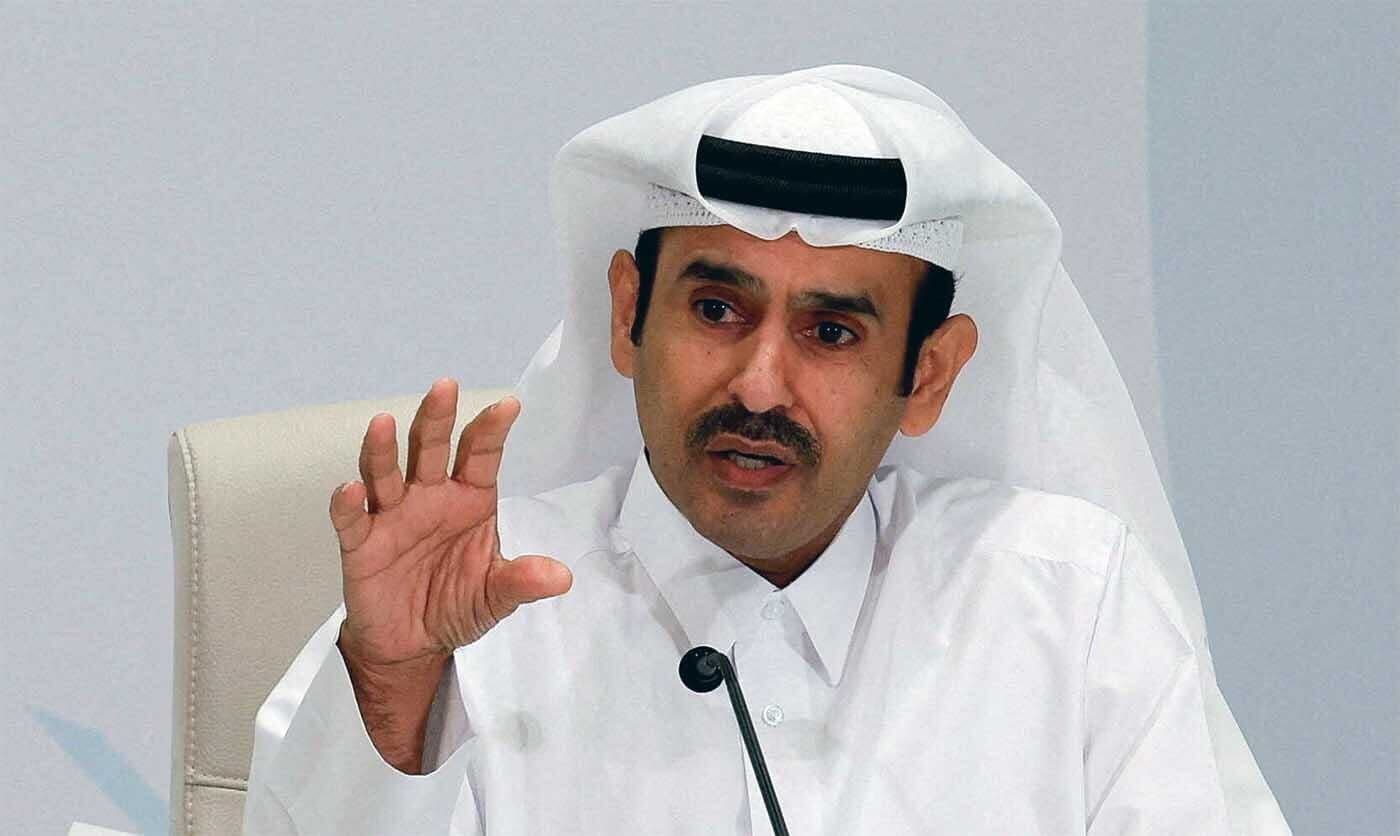
The attack destroyed critical cooling systems that will take years to replace.
The Ras Laffan attack specifically targeted the 'cold boxes' - the main cooling mechanism that purifies and chills gas for liquid transport.
Al-Kaabi had been warning US officials and energy executives about potential Iranian attacks almost daily.
The attack will impact LNG deliveries to Europe and Asia for up to five years.
QatarEnergy noted that the specific equipment destroyed has no quick replacement options.
Market Consequences
The Iranian strikes triggered immediate and severe economic consequences in global energy markets.
“There are no workers there”
Brent crude oil surged 10 percent to $119 a barrel before falling back to $112.
European gas prices rose 35 percent amid fears of prolonged supply disruptions.
The price hikes have already added €7 billion ($8.1 billion) to Europe's energy bills over the past two weeks.
The European Central Bank warned that a prolonged disruption could push euro-zone inflation to 6.3% and trigger a brief recession.
Europe is already struggling with energy prices several times above what competitors pay.
Oil markets were already shaken by Iran's blocking of the Strait of Hormuz.
EU Response
European Union leaders responded with urgency to the energy crisis.
They called for a 'moratorium' on strikes against energy facilities during a summit in Brussels.
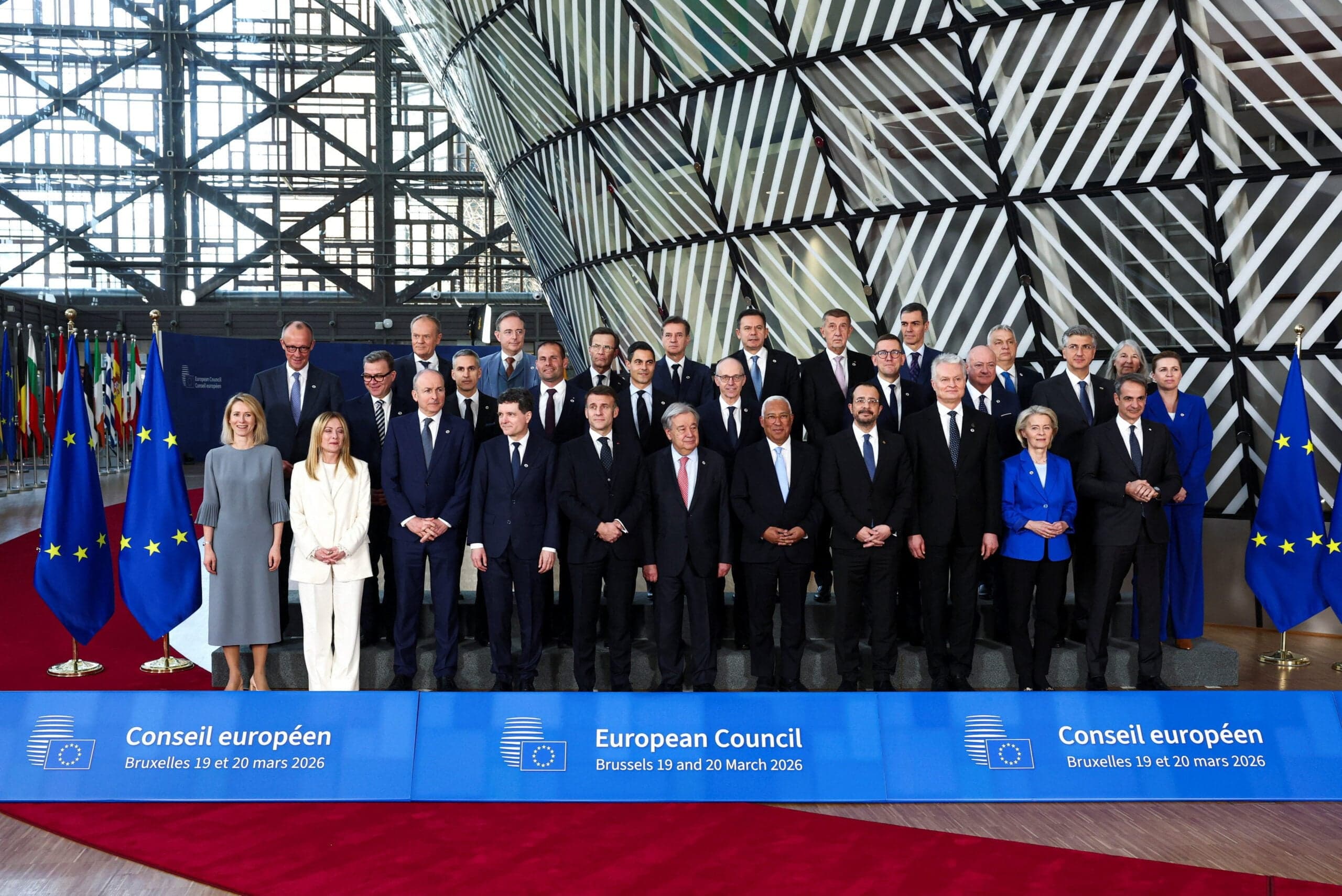
Italian Prime Minister Giorgia Meloni warned that the energy situation is serious.
Cypriot President Nikos Christodoulides stated that all countries will be negatively influenced if the situation continues.
The EU's Oil Coordination Group acknowledged for the first time that it may need to reconsider its view about the Middle East crisis.
A readout stated that the EU's security of oil supply will be reassessed in case of prolonged disruption.
French President Emmanuel Macron warned of lasting impact if production capacities are destroyed.
Long-term Implications
The long-term implications of the Iranian attacks on Qatar's LNG infrastructure are severe.
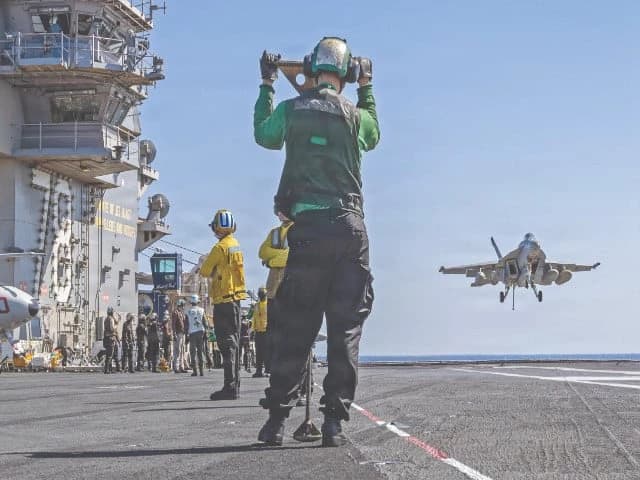
“Trump rebukes Netanyahu over Iran energy strikes Tehran unleashes intense strikes across Gulf; Qatar gas output badly damaged; US F-35 damaged by Iranian fire Iranian attacks on the world's largest LNG plant in Qatar and refineries in Saudi Arabia and Kuwait sent shock waves through energy markets on Thursday as the United States said there was no deadline to end the Middle East war”
QatarEnergy CEO Saad al-Kaabi confirmed that it will take three to five years to repair the damaged facilities.
The attack forced the evacuation of 10,000 personnel within 24 hours and shut down all operations.
There were zero injuries or fatalities, according to al-Kaabi.
The damage has forced postponement of Qatar's major expansion project at Ras Laffan.
The expansion was designed to increase processing capacity from 77 million to 126 million tons annually by 2027.
This delay will affect gas deliveries scheduled for France, Germany, and China starting in 2027.
QatarEnergy is still determining whether insurance policies will cover losses from the conflict.
More on Iran
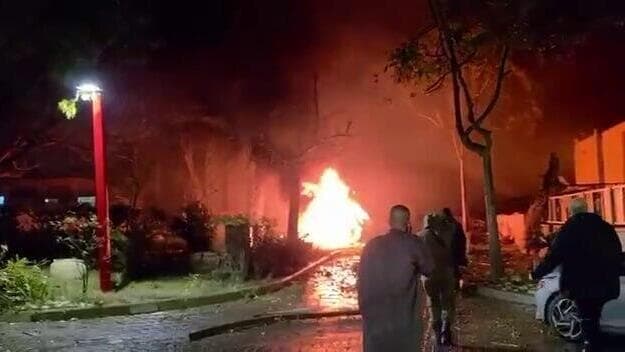
Iran Attacks Israeli Towns Dimona and Arad Near Israel's Main Nuclear Research Center, Dozens Wounded
43 sources compared
Iran Attacks Dimona in Retaliation for Natanz Strike
44 sources compared

Iran Attacks Diego Garcia with Long-Range Missiles, Targeting U.S.-UK Base
82 sources compared
Trump Defends Iran War by Citing Pearl Harbor
12 sources compared