Iran Attacks U.S. Bases, $800 Million in Damage in First Two Weeks
Key Takeaways
- Iranian strikes caused about $800 million in damage to U.S. bases in two weeks.
- CSIS analysis, corroborated by BBC, ties most damage to initial Iranian retaliatory strikes.
- BBC analysis notes the figure surpasses earlier public estimates.
Damage Assessment Overview
Iran's retaliatory attacks on U.S. military bases across the Middle East have caused approximately $800 million in damage during the first two weeks of the conflict.
“Iranian strikes on U”
This figure comes from a comprehensive analysis by the Center for Strategic and International Studies (CSIS) reviewed by BBC Verify.
The assessment significantly exceeds previous damage estimates and reveals substantial financial costs being absorbed by American forces.
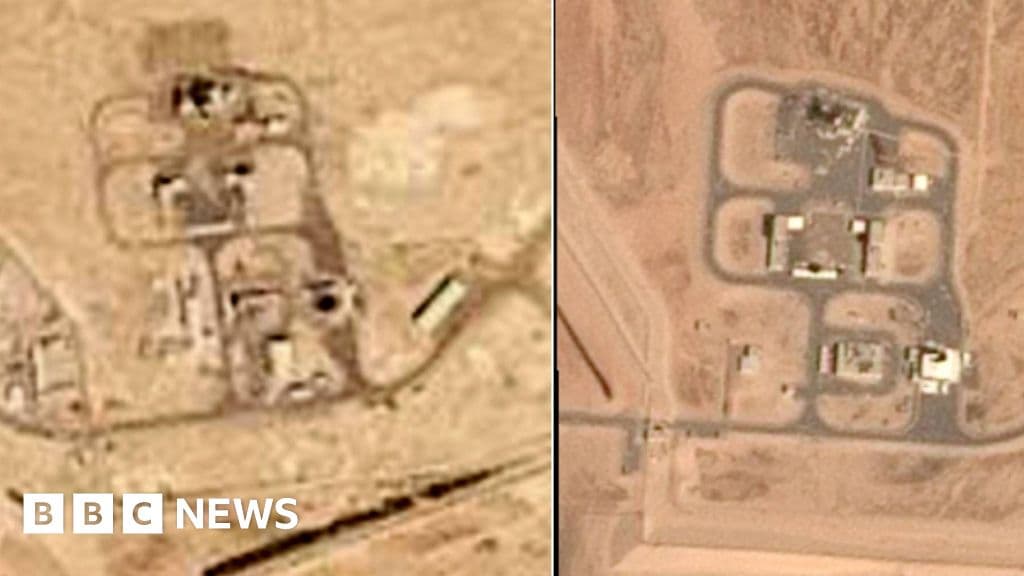
The analysis is based on satellite imagery from Planet Labs PBC, covering only the initial two-week period starting February 28.
Mark Cancian, CSIS senior adviser and study co-author, stated that 'the extent of damage to U.S. military bases in the Middle East has been underestimated'.
Cancian noted the full impact remains unclear until more information becomes available.
Strategic Targeting Focus
The Iranian strikes demonstrated sophisticated targeting capabilities by focusing on high-value U.S. military assets.
Primary targets included air defense and communication systems across multiple U.S. bases.
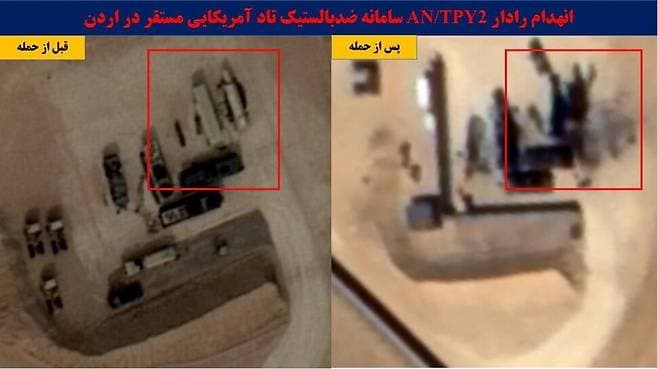
The most significant damage was to an AN/TPY-2 radar system for the THAAD missile defense system in Jordan.
This single radar system is valued at approximately $485 million according to government budget documents.
Additional damage worth about $310 million occurred to buildings and infrastructure at U.S. bases.
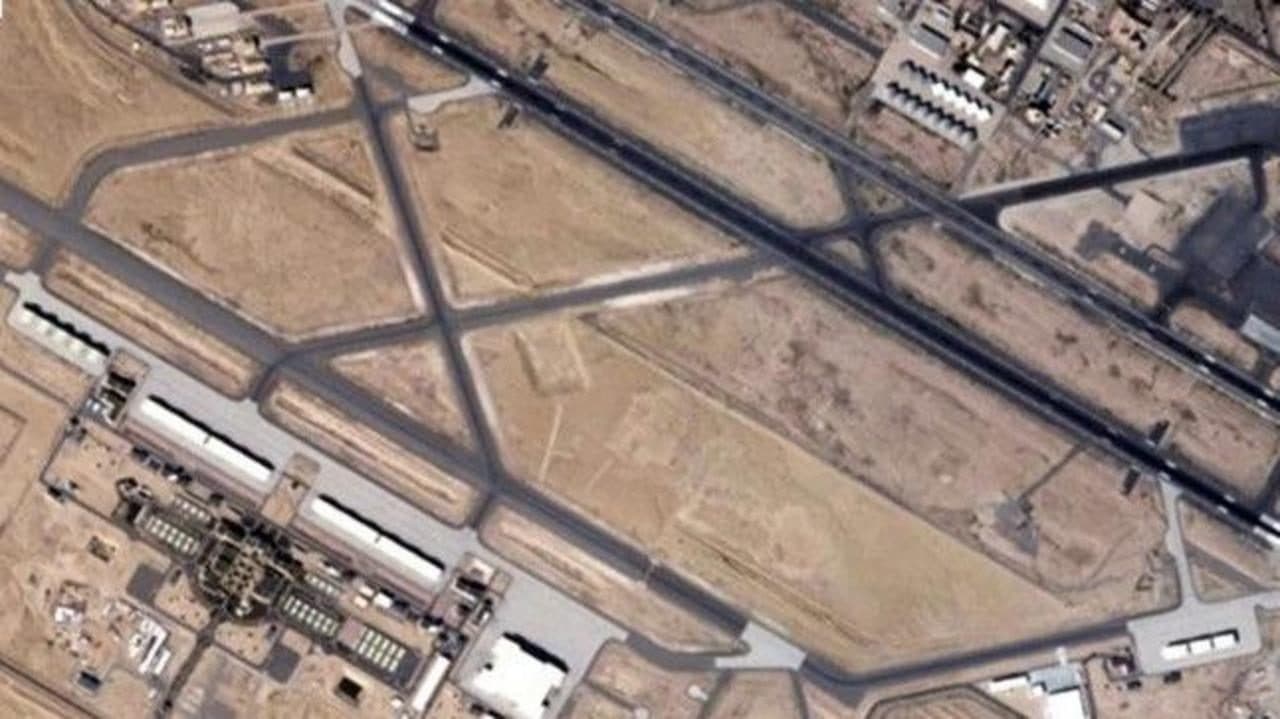
Satellite imagery confirmed repeated attacks on three strategic bases: Ali Al-Salim (Kuwait), Al-Udeid (Qatar), and Prince Sultan (Saudi Arabia).
This pattern indicates a deliberate strategy to degrade critical U.S. military capabilities.
Escalating Conflict Costs
The $800 million damage estimate represents only the beginning of what could become substantially higher costs.
“Iranian attacks on U”
The analysis indicates this figure is incomplete and likely represents a minimum assessment.
Additional costs are expected to emerge as more information becomes available about the conflict.
The Pentagon has refused to comment on the damage estimates.
U.S. Central Command has also declined to provide official figures on the extent of damage.
Iranian attacks have reportedly forced the redeployment of some THAAD systems from South Korea to the Middle East.
The ongoing nature of the conflict means these costs will continue to accumulate.
Satellite imagery analysis remains limited in capturing damage to non-publicly identified facilities.
Strategic Implications
Iran's ability to strike U.S. assets with precision demonstrates a level of military capability that reshapes risk calculations.
The strategic significance extends beyond financial costs to regional stability and global markets.
The Times of India reports the war is 'entering a more dangerous phase' with rising casualties.
Global markets are reacting to instability in the Strait of Hormuz according to the analysis.
Satellite-confirmed targeting of specific assets suggests Iran has developed sophisticated intelligence capabilities.
Reports indicate Russia has shared intelligence with Tehran on American military forces.
This combination of precision strikes represents a significant escalation in the conflict.
The developments could influence future calculations about costs and risks of military engagement.
More on Iran

Iran Attacks Israeli Towns Dimona and Arad Near Israel's Main Nuclear Research Center, Dozens Wounded
43 sources compared
Iran Attacks Dimona in Retaliation for Natanz Strike
44 sources compared

Iran Attacks Diego Garcia with Long-Range Missiles, Targeting U.S.-UK Base
82 sources compared
Trump Defends Iran War by Citing Pearl Harbor
12 sources compared