Iran Blames U.S. Blockade as Fragile Truce Holds and Strait of Hormuz Stays Closed
Key Takeaways
- Strait of Hormuz remains blocked, with vessels intercepted by both sides.
- No new US-Iran negotiations planned; Tehran resists negotiating under American threats.
- Pakistan-led Islamabad mediation seeks political breakthrough to prevent regional escalation.
Blockade and ceasefire standoff
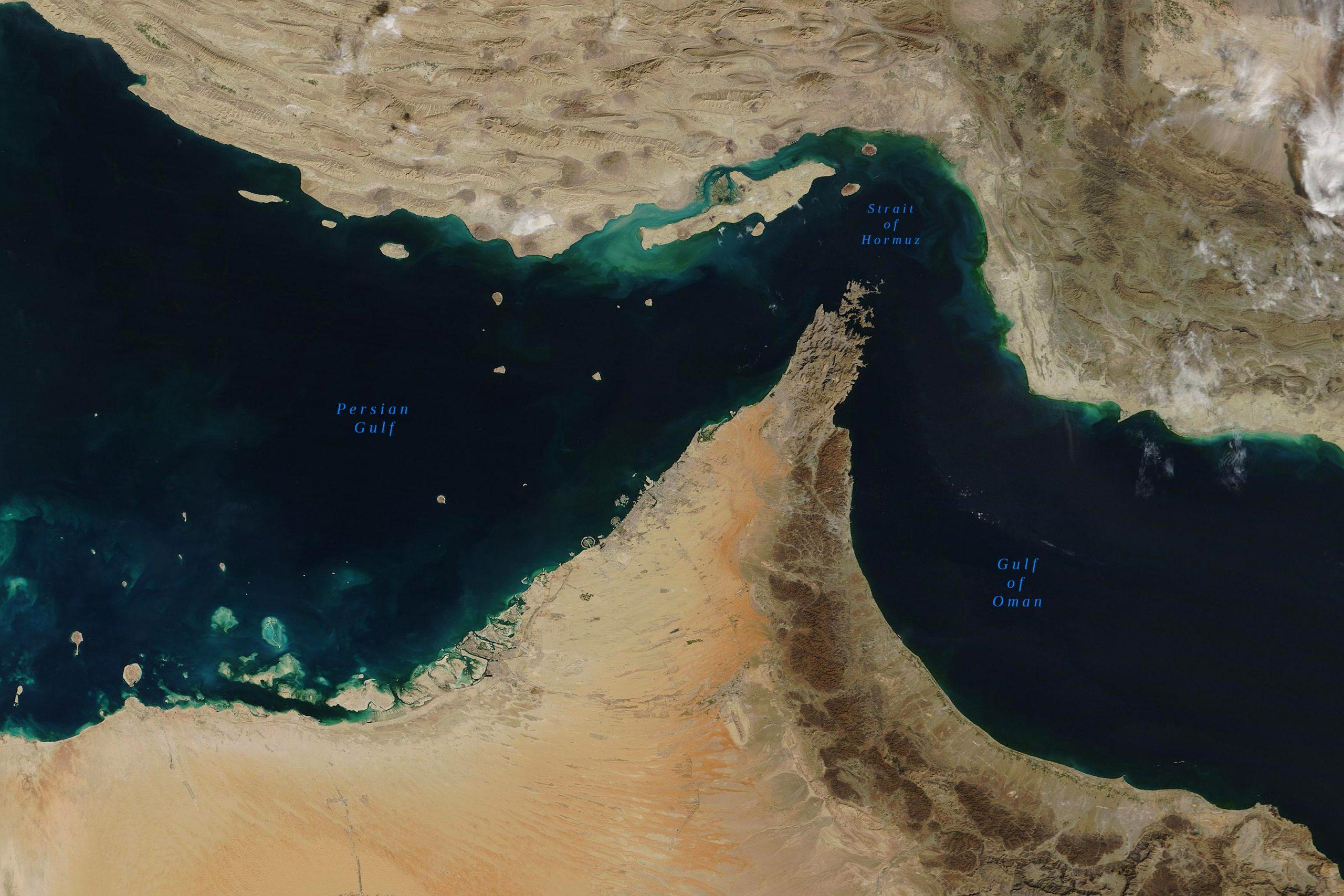
Iranian officials blamed the United States for the impasse in negotiations and for the continued closure of the Strait of Hormuz as a fragile truce between Washington and Tehran appeared to hold into Wednesday, the day its initial two-week period expired.
“Iranian officials have blamed the United States for the impasse in the negotiations and the continued closure of the Strait of Hormuz, stressing that Tehran will not submit to “bullying” by Washington”
Parliament Speaker Mohammad Bagher Ghalibaf said there could be no full ceasefire between the two countries if the U.S. naval blockade on Iranian ports persists, writing that “A complete ceasefire only makes sense if it is not violated by the maritime blockade and the hostage-taking of the world’s economy, and if the Zionist warmongering across all fronts is halted.”

Ghalibaf added, “Reopening the Strait of Hormuz is impossible with such a flagrant breach of the ceasefire,” and said the U.S. and Israel “did not achieve their goals through military aggression, nor will they through bullying”.
Iranian President Masoud Pezeshkian echoed that position, stressing that “The Islamic Republic of Iran has welcomed dialogue and agreement and continues to do so,” and that “Breach of commitments, blockade and threats are main obstacles to genuine negotiations.”
Al Jazeera’s reporting from Tehran described a “situation of no war, no peace,” with “Sanctions are still there. The blockade is there. No one can plan for the next week or the week after.”
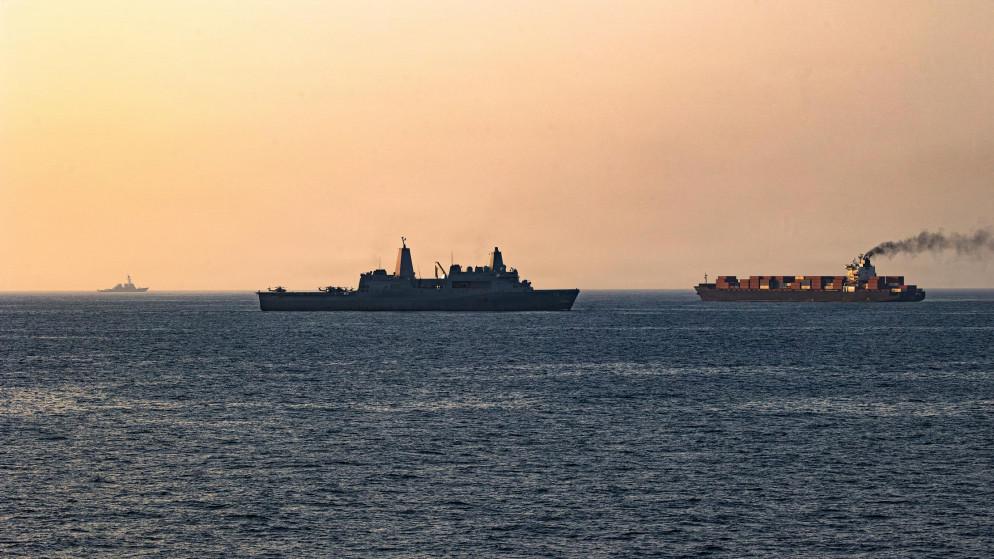
The BBC described the standoff as a “war of blockades” over the Strait of Hormuz, with both sides using force to intercept and seize commercial vessels, while Pakistan continued to push for talks in Islamabad as the ceasefire’s window narrowed.
Pakistan mediation and shifting logistics
As the two-week ceasefire neared its end, diplomatic efforts in Islamabad intensified, with multiple outlets describing a tense, fast-moving search for a political breakthrough.
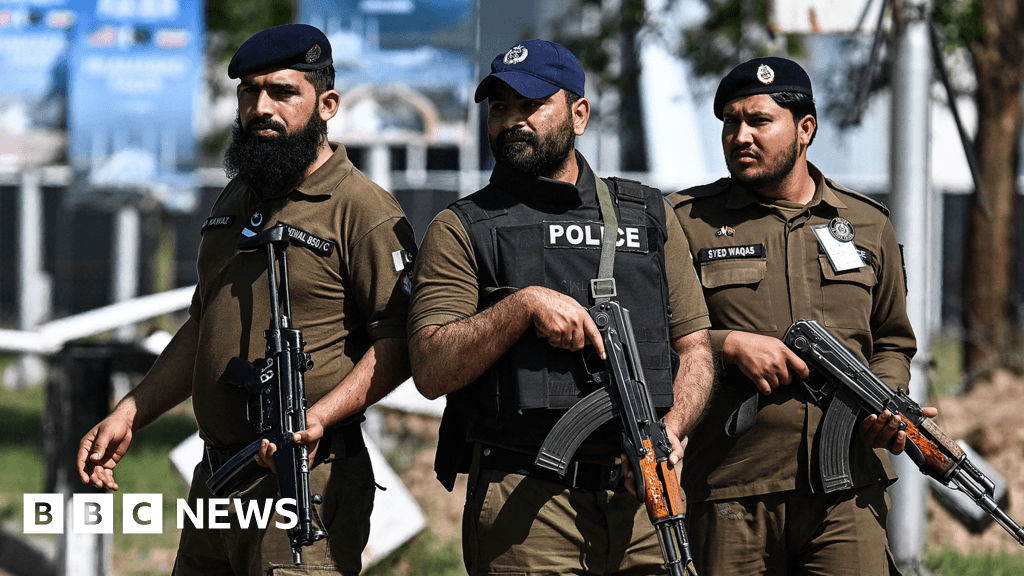
The BBC said Islamabad still waited for Iranian and American representatives to arrive for peace talks, noting that “Parts of the city remain sealed off, the signs are still up and the hotel where talks were expected to take place is empty,” while Prime Minister Shehbaz Sharif posted that Pakistan would “continue its earnest efforts for negotiated settlement of the conflict”.
Al Jazeera reported that former Pakistani ambassador to Germany and former spokesman for the Foreign Ministry Mohammad Abdul Basit described mediation aimed at anchoring “a phased de-escalation that paves the way for a broader agreement addressing the roots of the crisis.”
Basit said Pakistan’s first step was to reopen the strait in exchange for lifting the blockade, describing it as “a practical entry point to reduce tensions,” before moving to extending the ceasefire for a further period that could last up to two months.
The Al Jazeera account also said Basit expected the crisis, which “has persisted for about 47 years,” would not be resolved in a single or two rounds, and that the realistic goal was “to establish a temporary calm that allows both sides to build trust gradually.”
In parallel, Al Arabiya TV correspondent Bilal Al-Asatl reported that “as of now there are no official confirmations from the Pakistani government regarding the arrival of the negotiating delegations in the capital, Islamabad,” and described a “haze of ambiguity” over logistical and political arrangements.
Iran’s conditions and readiness
Iran’s position hardened around the idea that negotiations cannot proceed under U.S. pressure, with Iranian officials linking any future talks to changes in Washington’s behavior and stance.
“Ambiguity grows over the likelihood of a second round of talks between the United States and Iran in Islamabad, after Iranian television denied that any Iranian delegation had been headed to the Pakistani capital so far, and with the Iranian Parliament Speaker and chief negotiator Mohammad Bagher Ghalibaf stating that Tehran will not negotiate under American threats”
Al Jazeera’s reporting said Amir-Saeid Iravani, Iran’s ambassador to the United Nations, argued that breaking the siege is a necessary condition for negotiations to proceed, and he told reporters, “We have not initiated the military aggression. They initiated the war against us, and we are ready. If they want to sit at the table and discuss and find a political solution, they will find us ready.”
Al Arabiya TV’s account said Iranian television denied that any Iranian delegation had been headed to Islamabad so far, while Parliament Speaker Mohammad Bagher Ghalibaf stated that Tehran would not negotiate under American threats and wrote, “We do not accept negotiating under threat,” adding that Tehran had been preparing “to reveal new cards on the battlefield.”
The same report quoted Iran’s ambassador to Pakistan, Reza Amiri-Moqaddam, confirming that Iran would not engage in negotiations under coercion, stating that rejecting negotiations under pressure is a principle established internationally and in Islam.
Tasnim News Agency quoted commander Ali Abdollahi of the Khatam al-Anbiya military base confirming Iranian armed forces’ readiness to carry out an immediate and decisive response to any new violation by the United States, while the head of Iran’s judiciary, Gholam-Hossein Mohseni-Ejei, said the possibility of resuming attacks on Iran is not small and that Iran should be fully prepared.
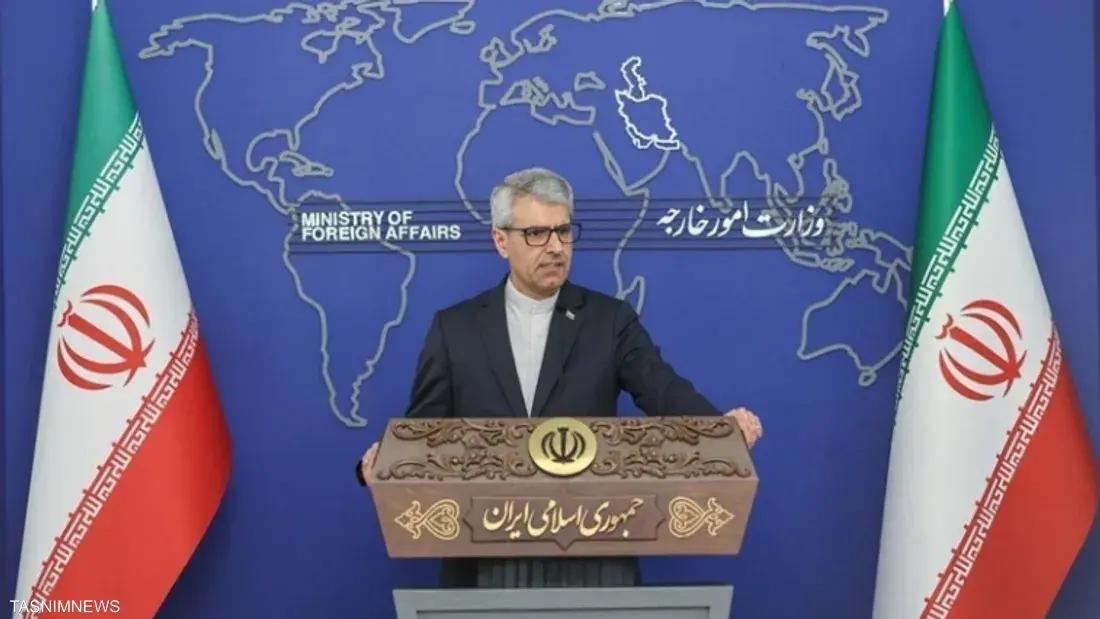
Another outlet, شبكة مصدر الاخبارية, said Iran’s Foreign Ministry announced on Monday that there were “no plans to hold a new round of negotiations with the United States,” with spokesman Ismail Bagai saying, “There is no plan for a second round of negotiations with the United States at the moment,” and adding that Washington’s proposals were “not serious” and demands “unrealistic.”
U.S. blockade leverage and rebuttals
While Iran framed the blockade as an obstacle to any full ceasefire, U.S. messaging emphasized leverage and disputed claims about timelines.
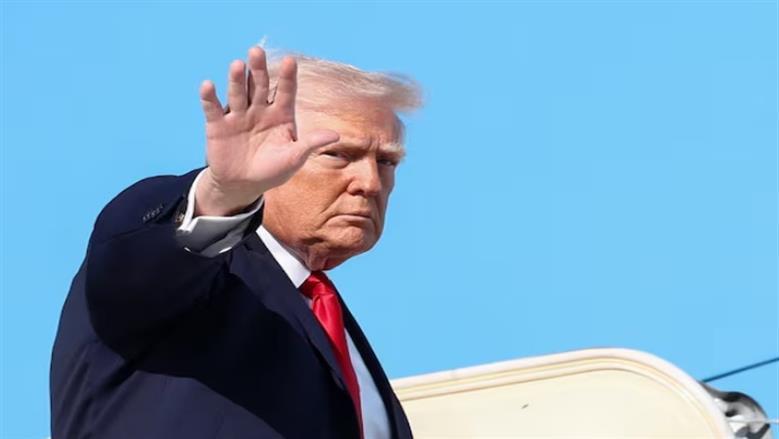
Al Jazeera reported that Trump did not set a deadline for the extended ceasefire to expire, but he suggested on Tuesday that the naval siege on Iran would continue to serve as leverage for future talks, and it quoted Trump writing, “People approached me four days ago, saying, ‘Sir, Iran wants to open up the Strait, immediately.’ But if we do that, there can never be a Deal with Iran, unless we blow up the rest of their Country, their leaders included,” in a social media post.
Al Jazeera also said White House spokesperson Karoline Leavitt dismissed media reports claiming Trump had set a specific deadline of three to five days for the truce, emphasizing that “the US president alone decides on the timetable of the war,” and Leavitt added that Trump is “satisfied” with the blockade and its effects on the Iranian economy.
She told reporters, “He understands that Iran is in a very weak position, and the cards are in President Trump’s hand right now,” according to Al Jazeera.
The BBC described Trump’s public posture as contradictory, saying “Donald Trump has told at least one journalist that a deal is still possible in the next few days,” while also noting that Iran dismissed the president’s suggestion that he was giving Tehran time to come up with a “unified position.”
The BBC also said Trump’s Truth Social post announcing the ceasefire extension spoke of an Iranian regime that is “seriously fractured, not unexpectedly,” and it described Iran’s accusations that the U.S. had a “breach of commitments” and cited Washington’s “contradictory behaviour.”
Consequences, stakes, and next steps
The stakes described by the sources center on whether the blockade standoff and the fragile ceasefire will hold, and whether negotiations can produce a framework that addresses the Strait of Hormuz and other sensitive issues.
“Iran's Foreign Ministry announced on Monday that there are currently no plans to hold a new round of negotiations with the United States, amid escalating political tensions between the two sides and an exchange of accusations regarding adherence to the diplomatic track”
Al Jazeera’s correspondent Ali Hashem said Iran was in “a situation of no war, no peace,” explaining that “Businesses are just waiting to see how this war is going to end,” while the BBC warned that “It would be unwise to bet against events spiralling out of control.”
Al Jazeera also recalled that the U.S. and Israel launched the war against Iran on February 28, killing “hundreds of civilians and several top officials, including Supreme Leader Ali Khamenei,” and that Tehran responded with missile and drone attacks against Israel and U.S. assets across the entire region.
The same Al Jazeera report said Iran closed the Strait of Hormuz, sending oil prices soaring, and that Iran agreed to reopen the waterway as part of a two-week truce that came into effect on April 8, but it ultimately kept the waterway closed in response to Israel’s refusal to include Lebanon in the ceasefire.
In the mediation account, Mohammad Abdul Basit said Pakistan’s framework agreement would cover “ensuring navigation security in the Strait of Hormuz,” then “the Iranian nuclear program and enrichment activities,” and “economic sanctions and frozen assets,” while also arguing that the agreement would be “a starting point for long-term talks.”
The sources also show that other governments are watching the track: شبكة مصدر الاخبارية said the Chinese Foreign Ministry described the talks as being in a “critical phase,” confirmed Beijing’s readiness to play a “constructive” role in supporting de-escalation, and expressed concern about “the U.S. forces' seizure of an Iranian vessel.”
More on Iran
Trump Extends Ceasefire as US-Iran Peace Talks Stall and Strait of Hormuz Tensions Rise
22 sources compared
Iran Fires on Three Ships and Seizes Two in Strait of Hormuz, Trump Extends Ceasefire
28 sources compared

Trump Extends Iran Ceasefire While US Keeps Naval Blockade in Strait of Hormuz
18 sources compared
Iran’s Islamic Revolutionary Guard Corps Seizes Two Ships in Strait of Hormuz After Trump Ceasefire Extension
20 sources compared