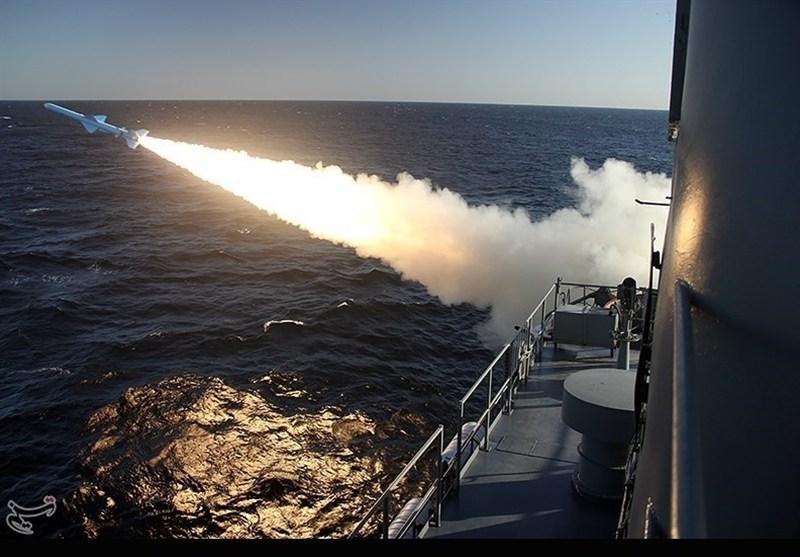
Iran Closes Strait of Hormuz, Says U.S. Naval Blockade Is Illegal Piracy
Key Takeaways
- U.S. blockade of Iranian ports remains, with officials saying it will persist and expand globally.
- Iran warns of decisive military response to U.S. blockade described as piracy.
- Iranian oil exports declined; however shadow fleet still ships some cargo.
Blockade timeline and claims
The dispute over Iran’s maritime access intensified around the U.S. naval blockade of Iranian ports, which the Al Jazeera report says began at 14:00 GMT on April 13.
“United States President Donald Trump has claimed Iran is “collapsing financially” and said the country is losing millions of dollars a day due to Washington’s naval blockade of Iranian ports”
In a Truth Social post on Tuesday night, U.S. President Donald Trump claimed Iran is “collapsing financially” and wrote, “Losing 500 Million Dollars a day. Military and Police complaining that they are not getting paid. SOS!!!”.

Al Jazeera also describes how the U.S. “fired on and seized an Iranian-flagged tanker near the Strait of Hormuz” and “redirected ships in the open seas carrying cargo to or from Iran”.
Iran’s armed forces, Al Jazeera adds, called the blockade “an illegal act” that “amounts to piracy”.
In response, Al Jazeera reports that Iran “closed the Strait of Hormuz to all foreign shipping” and “captured several foreign-flagged ships,” while previously allowing some “friendly” ships to pass.
The same Al Jazeera piece quotes Iran’s First Vice President Mohammad Reza Aref saying on April 19 that “the security of the Strait of Hormuz is not free,” and warns that “One cannot restrict Iran’s oil exports while expecting free security for others”.
It also states that Iran’s parliamentary speaker and lead negotiator in the ceasefire talks, Mohammad Bagher Ghalibaf, said a full ceasefire could only work if the U.S. naval blockade is lifted.
U.S. posture and enforcement
U.S. officials have framed the blockade as open-ended and tied to leverage rather than a quick diplomatic end-state.
CBS News reports that Defense Secretary Pete Hegseth said Friday the U.S. Navy’s blockade of Iranian vessels and ports will remain in place “as long as it takes,” and he indicated the Trump administration is “in no hurry to reach a peace deal with Iran.”

Speaking to reporters at the Pentagon, Hegseth echoed Trump’s comments about controlling the timeline for “Operation Epic Fury,” which CBS says has continued for nearly two months.
CBS also quotes Hegseth saying Iran has a choice, warning that “the clock is not on their side” as the blockade continues.
The CBS report says Hegseth described the blockade as “ironclad” and added that “a second aircraft carrier will be joining the blockade in the coming days.”
CBS further says Hegseth addressed mines in the strait after Trump ordered the U.S. military to “shoot and kill” any boat placing mines, and Hegseth said, “If Iran is putting mines in the water, or otherwise threatening American commercial shipping or American forces, we will shoot to destroy. No hesitation.”
The NBC News live update adds that Trump ordered the U.S. military to “shoot and kill” any Iranian boats laying mines and said there is “no time pressure” in talks with Iran and “no time frame” on ending the war after he extended the ceasefire.
Iran’s legal and military rebuttal
Iran’s leadership and military have rejected the blockade as unenforceable and unlawful, while threatening a “decisive response” if it continues.
ایIran International reports that Iran’s Judiciary Chief Gholamhossein Mohseni Ejei said the United States does not have the ability to enforce a naval blockade on Iran, adding, “Americans should know they do not have the ability to impose a maritime blockade on Iran.”
The same report says Jafar Tafakori, 57, was arrested in Colombia at the request of U.S. authorities and describes an alleged smuggling scheme, while also quoting defense ministry spokesperson Reza Talaei-Nik saying, “Today, more than 1,000 types of weapons… are produced entirely domestically.”
Press TV, meanwhile, quotes Iran’s Khatam al-Anbiya Central Headquarters warning that continued naval “piracy, blockade, and banditry” by American forces “will be met with a decisive response from the Iranian armed forces,” and it states, “If the aggressive US military continues its blockade, piracy, and maritime banditry in the region, they can be certain that they will face the reaction of Iran’s powerful armed forces.”
Press TV also says the headquarters emphasized Iran’s “greater strength and readiness” and declared that Iran is ready to “inflict even more severe losses on American-Zionist aggressors in the event of any new violation.”
The Press TV report ties the dispute to a “two-ceasefire ceasefire” that took effect on April 8 and was “again unilaterally extended by US President Doland Trump hours before it was set to expire on April 22.”
It also quotes President Masound Pezeshkian saying the “illegal blockade and breach of commitments by the US are the main obstacles in reviving talks with Washington aimed at ending the war.”
How the blockade is working
While U.S. officials describe the blockade as “ironclad,” other reporting portrays it as porous and increasingly global in scope.
Newsweek says shipping specialists believe “more than two dozen oil tankers have sailed through the U.S. naval blockade of Iranian ports since it began on April 13,” even as the U.S. military says it has turned around “scores of ships leaving Iranian waters.”
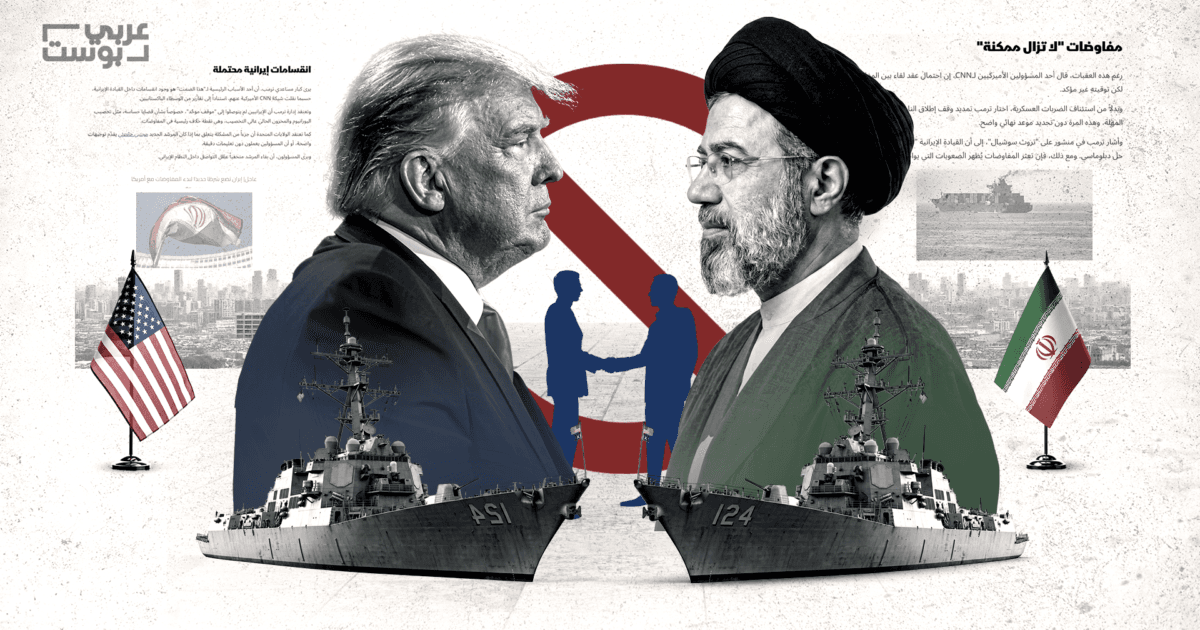
Newsweek describes a “shadow fleet” that it says has made it past “warships, surveillance planes and possibly satellites” to reach loading areas in the Persian Gulf and trade routes on the high sea.
It says the U.S. cast a wider net in response, with troops intercepting and stopping vessels in the Indian Ocean, and it quotes a framing that “What we are seeing now is a blockade operating at a global level, not just a regional one.”
Newsweek also cites CENTCOM saying it had turned around “33 vessels in 11 days,” while Vortexa reported that “in the first nine days of the operation, up to 34 tankers had transited the U.S. blockade line.”
The report adds that Vortexa said six outbound ships were sailing “dark” with their location transponders off, and it states that the blockade line begins at the Iran-Pakistan border and ends at Oman’s Ras al Hadd headland.
In a separate thread, NBC News says the U.S. military boarded another tanker involved in smuggling Iranian oil and that Tehran attacked three commercial ships and seized two, calling the U.S. naval blockade a “main obstacle” to new peace talks.
Human toll and next moves
The blockade dispute is unfolding alongside a broader war and reported casualties, while diplomacy and mine-clearing efforts remain central to the next phase.
“Washington — Defense Secretary Pete Hegseth said Friday that the U”
NBC News reports that Iran’s forensics chief said nearly 3,400 people had been killed in the country since U.S.-Israeli strikes began Feb. 28, and it adds that “Thirteen U.S. service members have been killed, and two more died of noncombat causes,” while also listing more than 2,200 killed in Lebanon, 32 killed in Gulf states, and 23 killed in Israel.

NBC News also says Italy’s navy chief of staff Giuseppe Berutti Bergotto told state broadcaster RAI that Italy is ready to deploy up to four vessels to help clear the Strait of Hormuz, and it quotes the plan as “two minesweepers, an escort vessel and a logistics vessel.”
The NBC report includes a detail that in an April 24 incident, the guided-missile destroyer USS Rafael Peralta intercepted an Iranian-flagged vessel as part of ongoing operations, and it notes that Iran’s foreign ministry spokesperson Esmail Baghaei said Iran has acted “entirely” lawfully, quoting him: “From a legal perspective, both under international law and domestic law, the measures taken regarding the Strait of Hormuz are entirely lawful.”
In the same NBC account, NetBlocks says Iranians have been under internet blackout for 55 consecutive days with connectivity at “2% of ordinary levels after 1,296 hours,” and it quotes NetBlocks warning that “Restrictions on global network access continue to hinder online commerce, payment systems and digitally dependent sectors of the economy.”
Al Jazeera, meanwhile, frames the stakes in economic terms by citing that Iran exports oil, gas and other goods by sea and that Iran’s oil exports through the Strait of Hormuz account for about 80 percent of its total oil exports.
It also states that Kpler estimates Iran exported 1.84 million barrels per day (bpd) of crude oil in March and shipped 1.71 million bpd so far in April, and it says Iran earned at least $4.97bn over the past month from ongoing oil exports at a conservative $90 per barrel.
More on Iran

Trump Cancels Witkoff and Kushner Trip to Pakistan After Abbas Araghchi Leaves Islamabad
69 sources compared
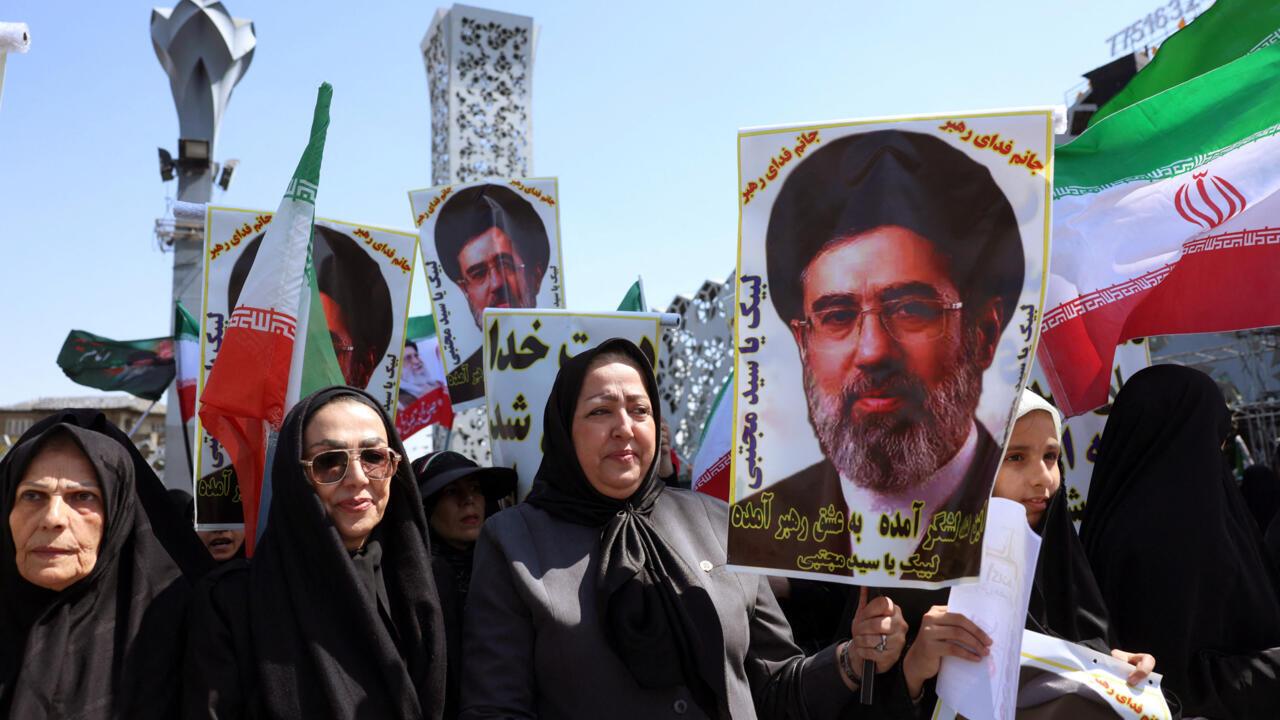
IRGC Calls The Shots In Iran As Mojtaba Khamenei Stays Out Of Public View
10 sources compared
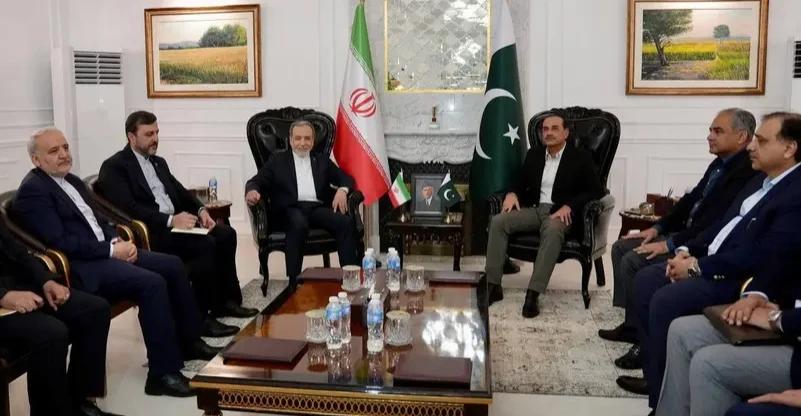
Iran FM Abbas Araghchi Meets Pakistan PM Shehbaz Sharif as Trump Cancels US Envoys
13 sources compared
Trump Cancels U.S. Officials’ Pakistan Trip for Iran Peace Talks
80 sources compared