Iran FM Abbas Araghchi Meets Pakistan PM Shehbaz Sharif as Trump Cancels US Envoys
Key Takeaways
- Iranian Foreign Minister Abbas Araghchi met Pakistan PM Shehbaz Sharif in Islamabad.
- Iran outlined its proposal to Pakistani mediators to revive direct US-Iran talks.
- Trump canceled sending US envoys to Islamabad amid stalled Iran-US talks.
Araghchi in Islamabad, US absent
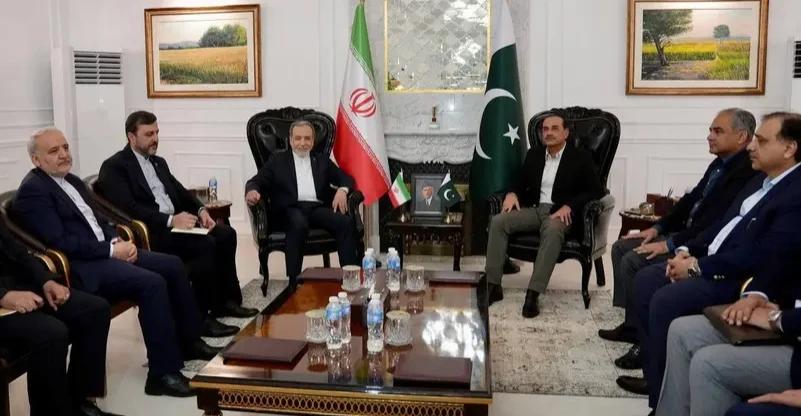
Iran’s Foreign Minister Abbas Araghchi met Pakistani Prime Minister Shehbaz Sharif in Islamabad as part of efforts to revive direct negotiations with the US, according to Al Jazeera’s report on the meeting.
The Iranian delegation was described by Al Jazeera as outlining its proposal to Pakistani mediators as part of efforts to revive direct negotiations with the US, with the meeting taking place in Islamabad.

The DW report said Araghchi “flew to Pakistan but did not meet with US representatives,” and it added that “US special envoys Steve Witkoff and Jared Kushner will not travel to Islamabad on Saturday.”
Al Jazeera also framed the diplomacy as Iran outlining proposals to Pakistani mediators, while DW emphasized the cancellation of the envoys’ trip.
Arab News similarly reported that Araghchi laid out Iran’s demands and reservations about US positions as Islamabad hosted a new push to end a war.
In parallel, the local AP-based reporting carried by KSL TV 5 said Trump told Fox News he had told U.S. envoys not to go to Pakistan for more talks with Iran, shortly after Iran’s top diplomat left Islamabad late Saturday.
Why talks stalled
Across the sources, the diplomatic breakdown is tied to Iran’s refusal to meet US representatives directly and to US President Donald Trump’s decision to cancel the envoys’ travel.
DW reported that Araghchi “did not meet with US representatives,” while also noting that Araghchi was expected to return to Pakistan for talks after visiting Oman, citing IRNA.

Arab News said Araghchi arrived in Islamabad on Friday and that Iran’s foreign ministry spokesperson posted on X that Iranian officials did not plan to meet US representatives and that Tehran’s concerns would be conveyed to mediator Pakistan.
The Times of India described the same structure of indirect engagement, saying “no direct or indirect engagement took place between Iran and the United States,” and it added that Tehran made it clear it would not meet the visiting US delegation that included Middle East envoy Steve Witkoff and adviser Jared Kushner.
Fortune likewise said the negotiations “appeared to fail Saturday before they began,” and it described Tehran’s top diplomat leaving Pakistan and Trump soon afterward saying he had told envoys not to travel to Islamabad.
In the same reporting thread, Shafaq News said Araghchi outlined Tehran’s conditions for sustaining a ceasefire and ending the conflict, while raising concerns over Gaza and Lebanon during talks in Pakistan.
The Iranian Ministry of Foreign Affairs’ own account emphasized that Araghchi met Shehbaz Sharif and discussed bilateral relations and regional and international developments, while also elaborating on Iran’s “principled positions” regarding the ceasefire and the “complete end of the imposed war against Iran.”
Voices: Trump, Araghchi, Sharif
The sources present sharply different voices on the same diplomatic moment, with Trump framing the cancellation as a matter of wasted travel and with Iranian officials framing the issue as US seriousness and trust.
“Iraq’s Foreign Minister rejected Iran’s request to serve as mediator in US-Iran talks”
DW quoted Araghchi reacting to the impasse by saying it remained to be seen whether the United States was “truly serious” about diplomacy, and it also reported that Araghchi posted on X that he had “shared Iran's position concerning (a) workable framework to permanently end the war,” but had “yet to see if the US is truly serious about diplomacy.”
Fortune and KSL TV 5 both carried Trump’s direct remarks to Fox News, including the line “We have all the cards. They can call us anytime they want, but you're not going to be making any more 18 hour flights to sit around talking about nothing.”
Fortune added that Trump said on social media, “If they want to talk, all they have to do is call!!!” and it also included Trump’s Truth Social language about “tremendous infighting and confusion within their 'leadership'” and “Nobody knows who is in charge, including them.”
On the Pakistani side, DW reported that Prime Minister Shehbaz Sharif reaffirmed Islamabad’s commitment to mediating between Tehran and Washington and said Pakistan “remains committed to serve as an honest and sincere facilitator — working tirelessly to advance durable peace and lasting stability in the region.”
The Iranian Ministry of Foreign Affairs’ statement said Araghchi appreciated Pakistan’s “sincere efforts” to end the “imposed war” and establish a ceasefire.
Shafaq News added that Pakistan’s Army Chief Asim Munir expressed readiness to continue mediation efforts “until a result is achieved.”
How outlets framed the same event
While the core facts overlap—Araghchi in Islamabad, Sharif meeting him, and Trump canceling the envoys—outlets diverge in emphasis and in how they characterize the diplomatic status.
DW framed the episode as a sequence in which Araghchi flew to Pakistan but “did not meet with US representatives,” and it paired that with the statement that “US special envoys Steve Witkoff and Jared Kushner will not travel to Islamabad on Saturday.”
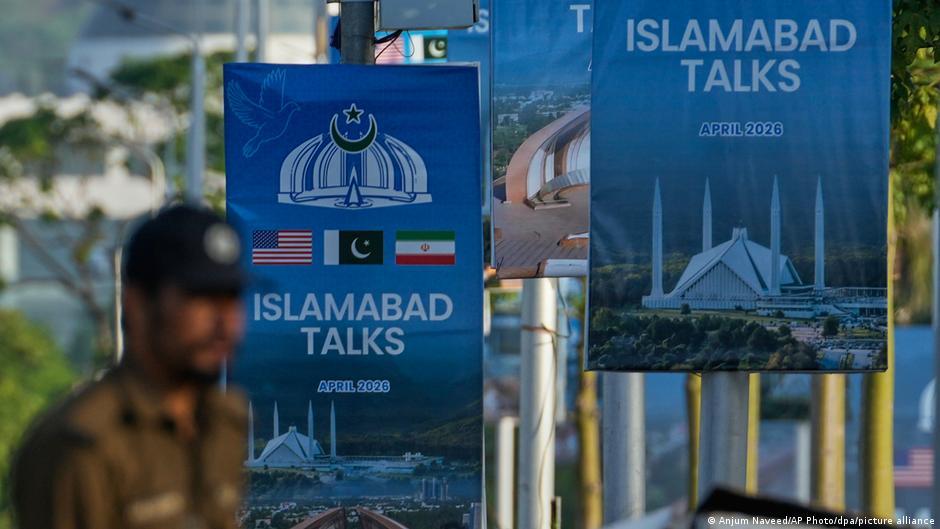
Arab News, by contrast, emphasized the war’s broader economic and market context, saying the conflict “has killed thousands and roiled global markets,” and it described Araghchi laying out “Iran’s demands and its reservations about US positions” as Islamabad hosted a new push.
Fortune described the talks as failing “before they even began,” and it tied that to the cancellation of Witkoff and Kushner and to Tehran’s reservations about trust after US blockading actions.
Inquirer.net’s AP-based framing focused on timing and uncertainty, saying Araghchi left Pakistan “before any sign that U.S. envoys had even arrived for indirect talks,” and it reported that it was unclear when Trump’s envoys were due to arrive.
The Times of India framed the episode as “No Iran-US peace talks 2.0!” and said Pakistan’s bid to mediate a breakthrough fell short, describing an “official list of demands” handed to Pakistan for communication to the US and its allies.
Middle East Monitor, using Anadolu reporting, highlighted the meeting’s diplomatic tone and said Sharif wrote that he had a “most warm, cordial exchange of views,” and it reported that Dar said the meeting lasted around two hours.
Shafaq News framed the same meeting as Iran reiterating complete end to an “imposed war,” while also saying Araghchi raised concerns over Gaza and Lebanon during talks in Pakistan.
Stakes: ceasefire, strait, casualties
The stakes described by the sources extend from the fragile ceasefire to the Strait of Hormuz and to a widening casualty count across multiple countries.
“The latest ceasefire talks between the United States and Iran appeared to fail Saturday before they began, as Tehran’s top diplomat left Pakistan and President Donald Trump soon afterward said he had told envoys not to travel to Islamabad”
Arab News said the conflict began with US-Israeli airstrikes on Iran on February 28 and that “a ceasefire is now in force,” while it also said Iran has largely closed the Strait of Hormuz, which normally carries one-fifth of global oil shipments, and that the US blocks Iran’s oil exports.

Fortune and KSL TV 5 both tied the diplomatic standoff to economic fallout from disrupted shipments of oil, liquefied natural gas, fertilizer and other supplies, and they described the near-closure of the Strait of Hormuz as a driver of that disruption.
Arab News provided shipping figures, saying “Shipping data on Friday showed that five ships had crossed the Strait of Hormuz in the previous 24 hours, compared to around 130 a day before the war,” and it also cited Vortexa’s “35 total transits through the US blockade from April 13 to 22.”
The sources also described military posture and escalation risks, including Iran’s joint military command warning that “if the U.S. continues its aggressive military actions, including naval blockades, banditry, and piracy” it will face a “strong response.”
On casualties, Fortune stated that “authorities say at least 3,375 people have been killed in Iran and at least 2,496 people in Lebanon,” and it added that “23 people have been killed in Israel” and “more than a dozen in Gulf Arab states.”
KSL TV 5 similarly reported a growing toll, saying “at least 3,375 people have been killed in Iran and more than 2,490 people in Lebanon,” and it listed “Fifteen Israeli soldiers in Lebanon, 13 U.S. service members in the region and six members of the U.N. peacekeeping force in southern Lebanon have been killed.”
The sources also point to near-term operational shifts, including Arab News saying international flights resumed from Tehran’s Imam Khomeini International Airport on Saturday and naming destinations such as Medina, Muscat, and Istanbul.
More on Iran

Trump Cancels Witkoff and Kushner Trip to Pakistan After Abbas Araghchi Leaves Islamabad
69 sources compared
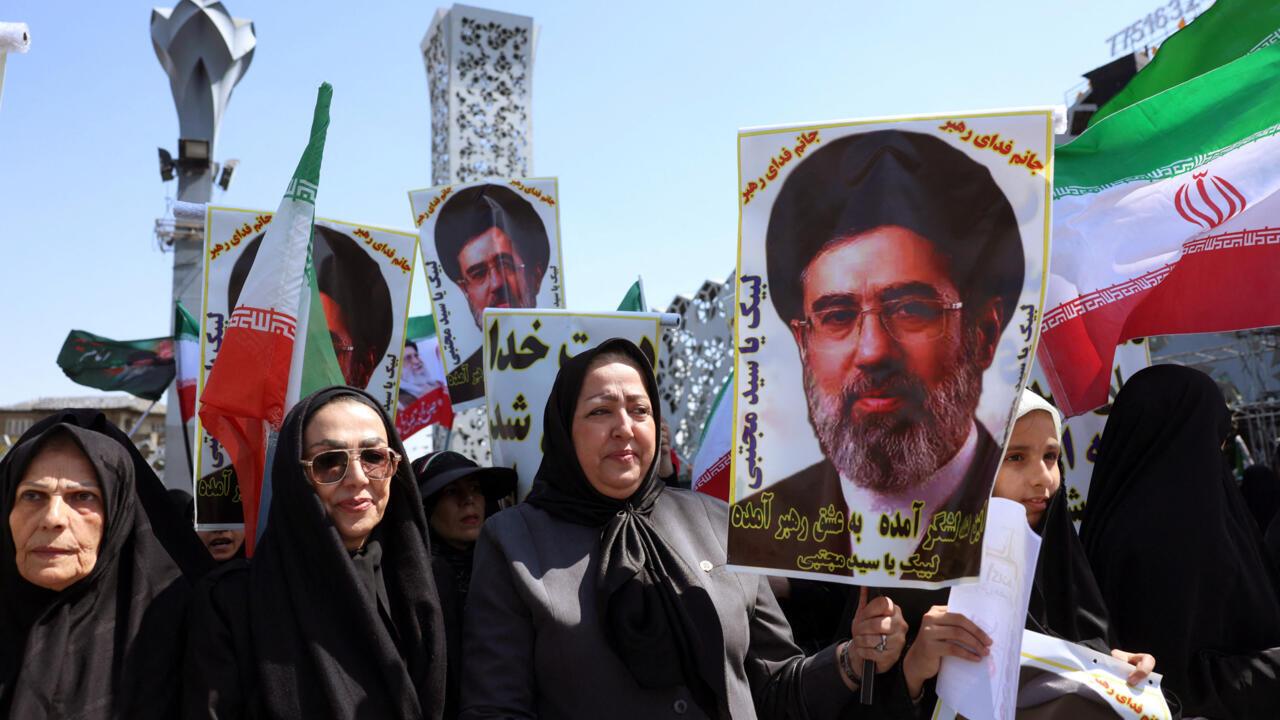
IRGC Calls The Shots In Iran As Mojtaba Khamenei Stays Out Of Public View
10 sources compared
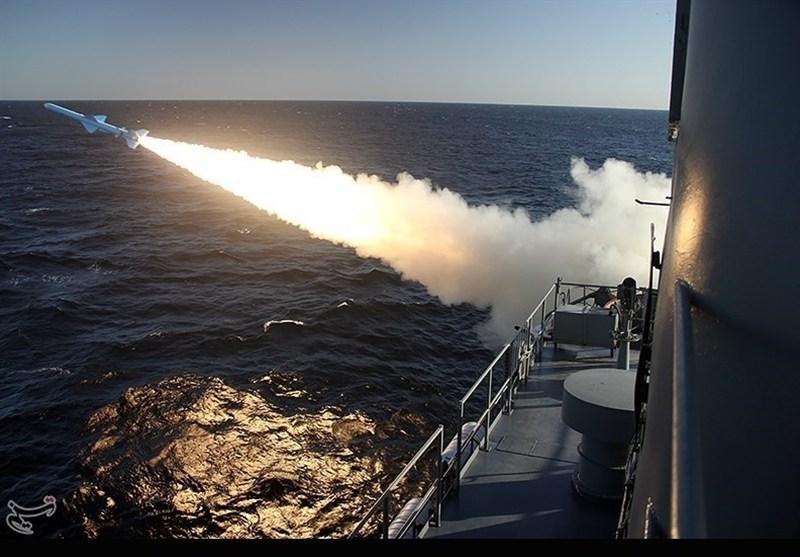
Iran Closes Strait of Hormuz, Says U.S. Naval Blockade Is Illegal Piracy
25 sources compared
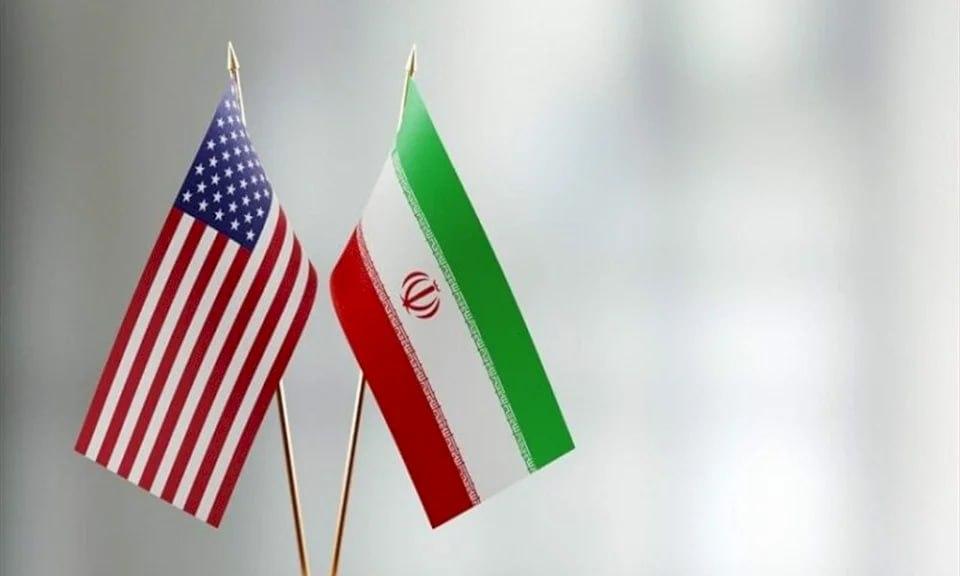
Trump Cancels U.S. Officials’ Pakistan Trip for Iran Peace Talks
80 sources compared