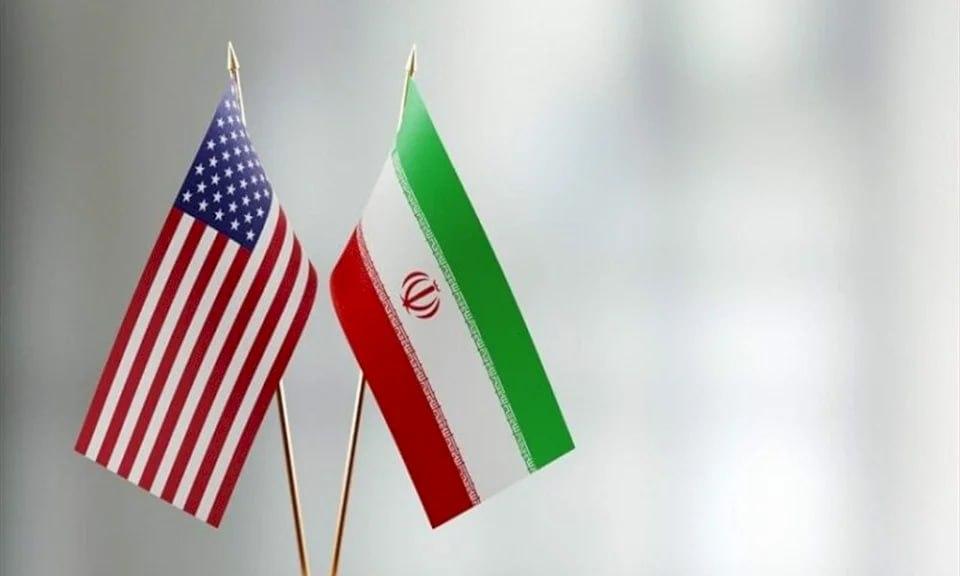
Trump Cancels U.S. Officials’ Pakistan Trip for Iran Peace Talks
Key Takeaways
- Trump cancels Witkoff and Kushner's Pakistan trip for Iran talks.
- Araghchi's departure from Pakistan raised questions about Washington's seriousness.
- News outlets report the cancellation as a setback for Iran peace talks.
Trip Canceled, Talks Uncertain
President Donald Trump canceled a planned trip by top U.S. officials to Pakistan for peace talks with Tehran, dealing another setback to negotiations to end the two-month-long war in Iran.
Trump wrote on his social media site, Truth Social, “Too much time wasted on traveling, too much work!” and added, “Besides which, there is tremendous infinfighting and confusion within their ‘leadership.’ Nobody knows who is in charge, including them. Also, we have all the cards, they have none! If they want to talk, all they have to do is call!!!”.

The Washington Post reported that White House press secretary Karoline Leavitt had said Friday that Iranian officials wanted to talk in person and would travel to Pakistan, but senior Iranian officials left Pakistan on Saturday after downplaying direct talks with U.S. officials.
The Iranian Foreign Ministry said the delegation that arrived in Pakistan a day earlier was there for a bilateral visit only and was not planning to engage with the United States, with Iranian Foreign Ministry spokesman Esmaeil Baqaei saying, “No meeting is planned to take place between Iran and the U.S.”
The Washington Post also said the latest Iranian delegation, led by Foreign Minister Abbas Araghchi, left Pakistan on Saturday night local time for Oman, the second stop on a three-country tour that also includes Russia.
In parallel, the Associated Press reported that Tehran’s top diplomat left Pakistan and Trump told envoys not to travel to Islamabad, with the negotiations meant to follow historic face-to-face talks earlier this month between the U.S., led by Vice President JD Vance, and Iran, led by parliament speaker Mohammad Bagher Qalibaf.
The AP added that Trump said he had told envoys not to travel to Islamabad and that, within 10 minutes of him canceling the envoys’ trip, Iran sent a “much better” proposal, with no details.
Pakistan Meetings and Red Lines
Before the U.S. cancellation, the diplomacy in Pakistan centered on Foreign Minister Abbas Araghchi meeting senior Pakistani leaders and presenting Tehran’s position on ending the war.
The Washington Post said Araghchi met with Pakistan’s Army Chief Gen. Asim Munir and Pakistani Prime Minister Shehbaz Sharif and presented them with Tehran’s “official stance” on ending the war, describing it as “Shared Iran’s position concerning workable framework to permanently end the war on Iran.”

The AP similarly reported that Araghchi met with Army Chief Field Marshal Asim Munir and Prime Minister Shehbaz Sharif about what he called Iran’s red lines for negotiations, and that Araghchi went on to Oman as a mediator in talks before the war and the country on the other side of the Strait of Hormuz.
The Washington Post said the talks between Iranian and Pakistani officials Saturday were aimed at discussing “a framework for future talks,” according to a former Pakistani official close to the negotiations.
It also reported that some proposals from Tehran include Russia providing guarantees against further U.S. attacks and formalized joint Iranian-Omani control over the Strait of Hormuz, while noting it was unclear whether the United States was considering either proposal.
In Lebanon, the AP described a separate ceasefire dynamic between Israel and the Iranian-backed Hezbollah that was shaken Saturday as each side fired at the other and Israeli Prime Minister Benjamin Netanyahu ordered the military to “vigorously attack Hezbollah targets in Lebanon.”
The AP added that Trump announced an indefinite extension of the ceasefire with Iran, which paused most fighting but left economic fallout growing as global shipments of oil, liquefied natural gas, fertilizer and other supplies were disrupted by the near-closure of the Strait of Hormuz.
Araghchi Questions Washington
Iran’s top diplomat framed the Pakistan visit as productive while questioning whether Washington was truly serious about diplomacy.
Al-Manar TV Lebanon quoted Iranian Foreign Minister Abbas Araghchi saying, “Our visit to Pakistan was very fruitful, we shared our position on a viable framework for permanently ending the war,” and also carried his assessment that, “It is not yet clear whether Washington is truly serious about diplomatic efforts.”
The Iran International article likewise reported that Araghchi, after leaving Islamabad, posted on X that his visit was “very fruitful” and praised Pakistan’s “good offices and brotherly efforts” to restore peace, while adding, “Have yet to see if the US is truly serious about diplomacy.”
The AP reported that Araghchi left Islamabad on Saturday evening and later said on social media, “Shared Iran’s position concerning workable framework to permanently end the war on Iran. Have yet to see if the U.S. is truly serious about diplomacy.”
In the Washington Post account, the Iranian Foreign Ministry had said the delegation was not planning to engage with the United States, and Esmaeil Baqaei said, “No meeting is planned to take place between Iran and the U.S.”
The AP added that Iran’s foreign ministry said any talks would be indirect and that Pakistani officials would convey messages, reinforcing the idea that direct engagement was not the plan.
Across the reporting, the diplomatic standoff remained tied to the Strait of Hormuz, with the Washington Post saying the war has dragged on and that the Iranian regime uses the Strait of Hormuz for leverage, and the AP describing the U.S. blockading Iranian ports and Iran requiring vessels to obtain permission from Tehran to pass.
Competing Frames of the Same Break
Different outlets described the same diplomatic rupture—Araghchi’s departure and Trump’s cancellation—through sharply different lenses about what it meant for negotiations.
The Washington Post framed the cancellation as “the latest setback to negotiations to end the two-month-long war in Iran,” and it emphasized uncertainty over whether gaps could be bridged on “key issues including Iran’s nuclear program and the Strait of Hormuz,” noting that the U.S. received a new proposal “within 10 minutes” after Trump canceled the Pakistan trip.

The AP, by contrast, described the ceasefire talks as failing “Saturday before they began,” and it tied the breakdown to distrust after the U.S. blockaded Iranian ports, with Trump’s social media line “If they want to talk, all they have to do is call!!!” appearing alongside the claim that the U.S. had started blockading Iranian ports in response to Iran’s war grip on the Strait of Hormuz.
Iran International placed the diplomatic maneuvering in a broader political and social context, saying the internet blackout had entered its “57th day” according to NetBlocks and quoting veteran journalist Eli Lake that “Their backs are against the wall and these negotiations they hope are going to be a lifeline,” while also arguing any renewed track should begin with pressure on Tehran over the Iranian people.
Il Sole 24 ORE, in its war update framing, highlighted the Pasdaran statement that “Controlling the Strait of Hormuz and maintaining the shadow of its deterrent effect on America and White House supporters in the region is the ultimate strategy of Islamic Iran,” and it also quoted Trump’s explanation for canceling the mission of Steve Witkoff and Jared Kushner.
Al-Manar TV Lebanon presented Araghchi’s message as evidence of Iran’s seriousness about a “viable framework” while stressing doubt about U.S. seriousness, carrying the line “It is not yet clear whether Washington is truly serious about diplomatic efforts.”
Taken together, the accounts show how the cancellation and departure were interpreted as either a setback in a continuing negotiation process, a failure before it began, or part of a wider struggle over leverage, pressure, and control of the Strait of Hormuz.
Leverage, Risks, and Next Stops
The diplomatic uncertainty is playing out alongside continued military and economic pressure, with multiple reports tying the next steps to the Strait of Hormuz and to the question of whether the U.S. will accept Tehran’s proposals.
“Sunday, 26/04/2026 ArEnFrEs [](http://almanar”
The Washington Post said the war has dragged on, upending global oil markets and becoming a political liability for Trump, and it described how the Iranian regime retains power and uses the Strait of Hormuz for leverage, while also saying the U.S. and Iran have remained in contact but it’s unclear whether they have made progress bridging gaps on Iran’s nuclear program and the Strait of Hormuz.
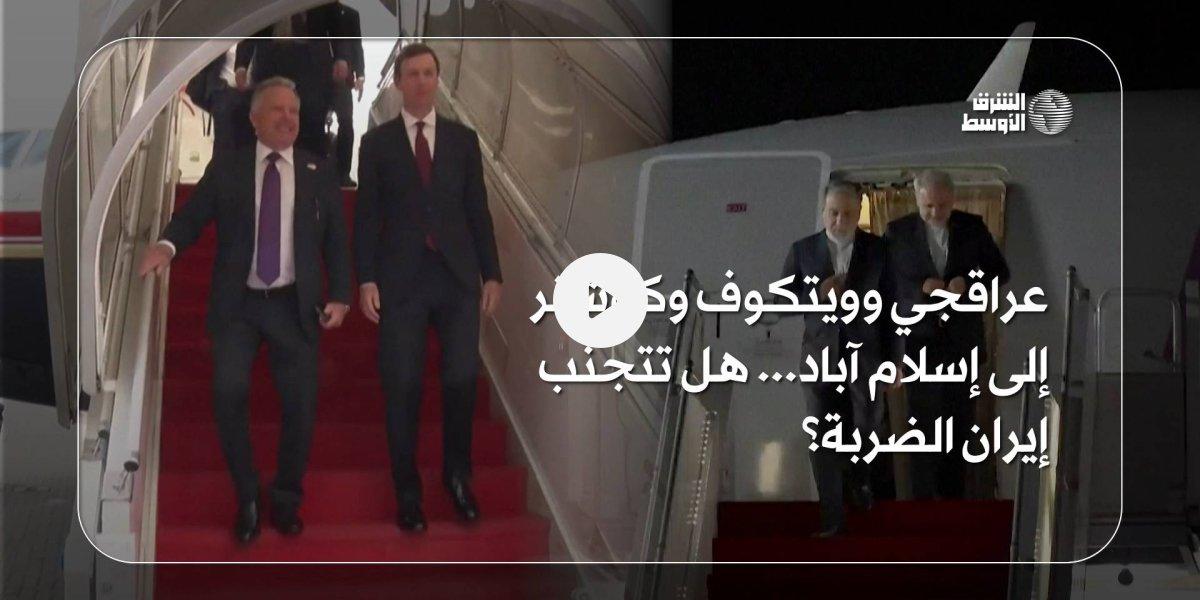
The AP reported that the U.S. has blockaded Iranian ports and that Iran requires vessels to obtain permission from Tehran to pass, adding that both Iran and the U.S. have seized vessels in the region.
The AP also reported that Iran’s joint military command warned that “if the U.S. continues its aggressive military actions, including naval blockades, banditry, and piracy” it will face a “strong response.”
In the same AP account, the Strait of Hormuz disruption was linked to the economic fallout, with the outlet saying global shipments of oil, liquefied natural gas, fertilizer and other supplies were disrupted by the near-closure of the Strait of Hormuz.
The AP further described operational steps around the conflict, including that Trump ordered the military to “shoot and kill” small boats that could be placing mines and that Germany’s Defense Minister Boris Pistorius said his country was sending minesweeper ships to the Mediterranean to help remove Iranian mines from the strait once hostilities end.
The Washington Post said the latest Iranian delegation left Pakistan for Oman and that the tour also includes Russia, while the AP said the foreign minister will visit Pakistan again on Sunday before visiting Russia, citing IRNA.
More on Iran

Trump Cancels U.S. Delegation Visit to Islamabad as Iran’s Araghchi Continues Talks
78 sources compared
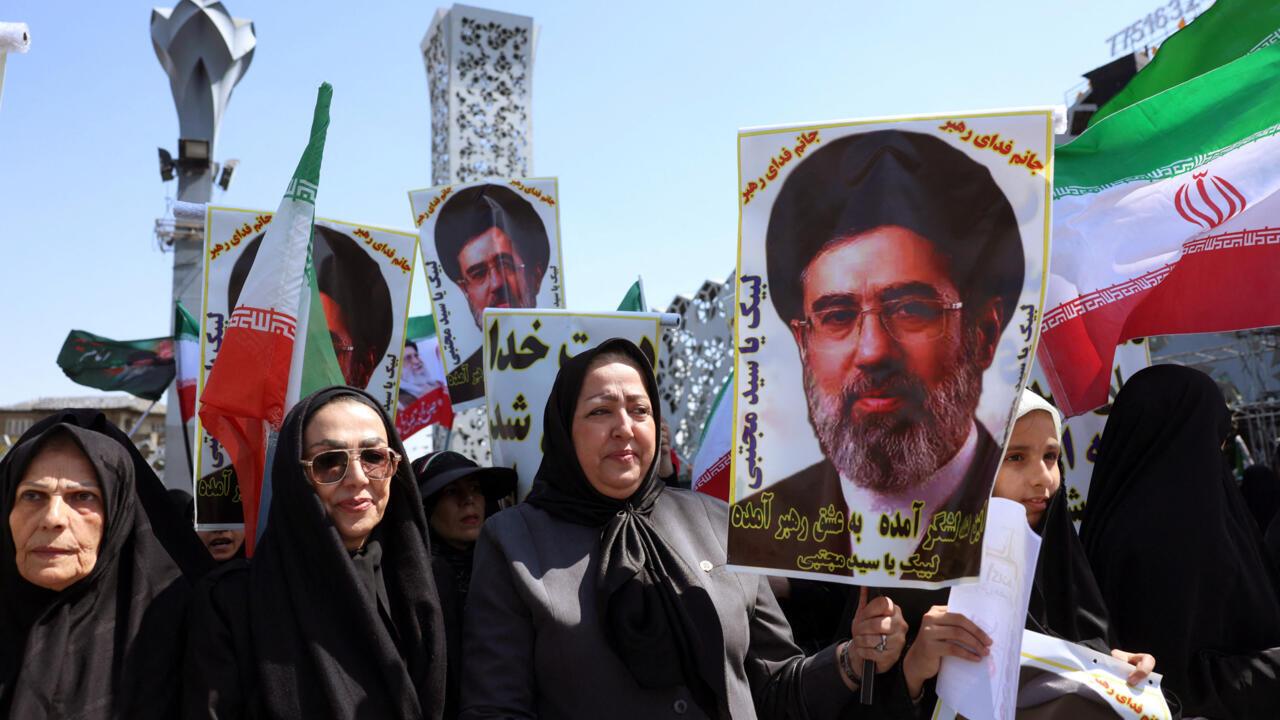
IRGC Calls The Shots In Iran As Mojtaba Khamenei Stays Out Of Public View
10 sources compared
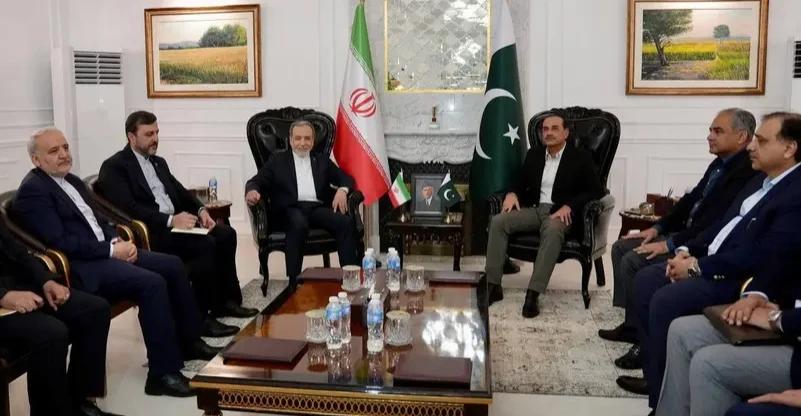
Iran FM Abbas Araghchi Meets Pakistan PM Shehbaz Sharif as Trump Cancels US Envoys
13 sources compared
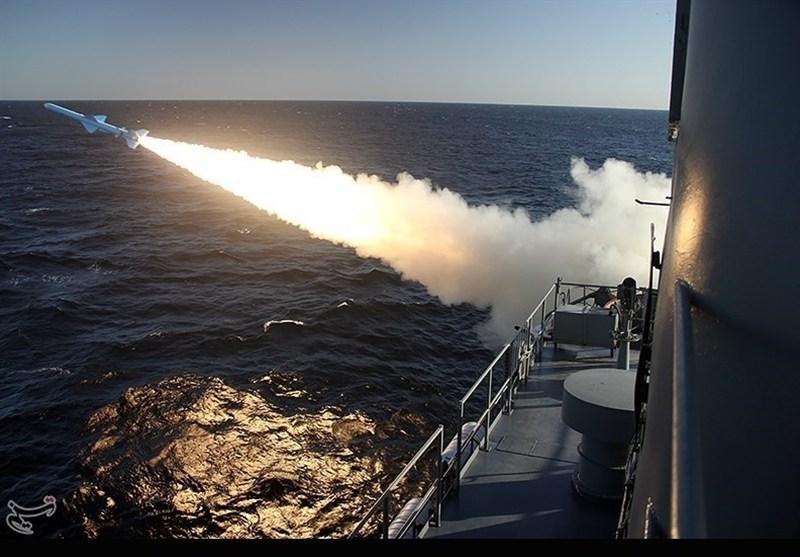
Iran Closes Strait of Hormuz, Says U.S. Naval Blockade Is Illegal Piracy
25 sources compared