
Trump Cancels U.S. Delegation Visit to Islamabad as Iran’s Araghchi Continues Talks
Key Takeaways
- Trump canceled the U.S. envoys' Pakistan trip for Iran peace talks.
- Araghchi met Pakistan's PM Sharif in Islamabad, then departed for Oman.
- Iranian officials signaled a harder line, less openness to talks beyond accepted terms.
Pakistan Talks Collapse
Iran’s diplomacy with the United States hit another snag after President Donald Trump cancelled a planned trip by envoys to Pakistan, while Iran’s Foreign Minister Abbas Araghchi continued his own travel after meeting Pakistani officials in Islamabad.
Al Jazeera reported that Araghchi met senior Pakistani officials in Islamabad on Saturday and then left for Oman, “to be later bound for Russia,” noting that he was “yet to see if the US is truly serious about diplomacy.”

The Express Tribune said the U.S. peace process hit a snag when Trump cancelled the trip of envoys Jared Kushner and Steve Witkoff for peace talks with Iran, citing Fox News and quoting Trump’s line: “We have all the cards. They can call us anytime they want.”
The Chosun Ilbo framed the outcome as a collapse of the “second U.S.-Iran peace talks, expected to take place in Islamabad,” saying Trump announced on Truth Social, “I have just canceled our delegation’s visit to Islamabad to meet with the Iranian side.”
Chosun also reported that Trump left room for dialogue, saying, “Immediately after canceling the U.S. delegation’s visit to Pakistan, Iran made a better offer.”
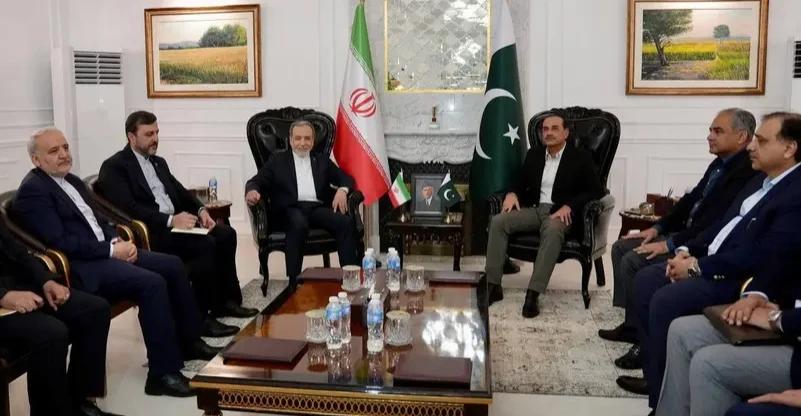
In parallel, The Express Tribune described Araghchi’s meetings with Prime Minister Shehbaz Sharif and Chief of Defence Forces and Chief of the Army Staff Field Marshal Asim Munir, with Deputy PM and FM Ishaq Dar and Interior Minister Mohsin Naqvi also present.
Araghchi later posted on X that his visit was “very fruitful,” adding, “We must still wait and see if the U.S. is genuinely serious about diplomacy.”
Hardening Positions
Across multiple reports, Iran and the United States portrayed the same diplomatic channel through sharply different lenses, with Iran signaling reduced willingness to negotiate beyond its accepted terms and Washington insisting on leverage.
Al Jazeera said Tehran and state media projected that they were “less interested than before the war in negotiations with the United States if they go beyond their accepted terms,” after “mediated talks failed to materialise in Pakistan.”

It also reported that Trump cancelled the envoys’ trip and reiterated his claim about “infighting and confusion” among Iran’s leadership, while writing, “If they want to talk, all they have to do is call!!!”
The Express Tribune similarly quoted Trump’s explanation that uncertainty within Iran’s leadership structure meant “there is tremendous infighting and confusion within their ‘leadership’. Nobody knows who is in charge, including them,” and added that Trump said, “No. It doesn't mean that. We haven't thought about it yet.”
Chosun Ilbo described Trump’s broader negotiating posture, saying he emphasized U.S. dominance with “We hold all the cards, and they have none. If they want to talk, they can just call,” and it also asserted that the U.S. had “struck Iran’s key military facilities” and was applying “economic pressure via a reverse blockade of the Strait of Hormuz.”
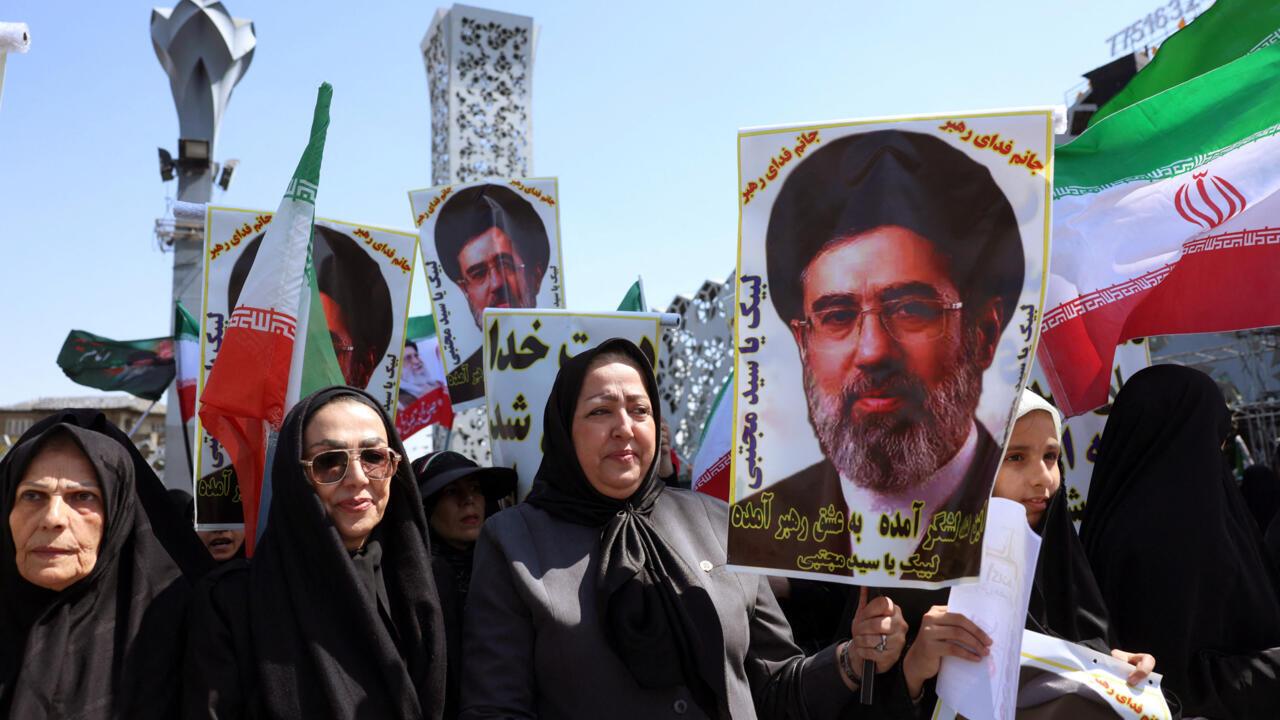
Iran’s stance, as presented by Al Jazeera, was that officials and supporters of the Islamic Republic emphasized unity against concessions to Trump, with synchronized state messages proclaiming absolute unity and “complete obedience” to Supreme Leader Mojtaba Khamenei.
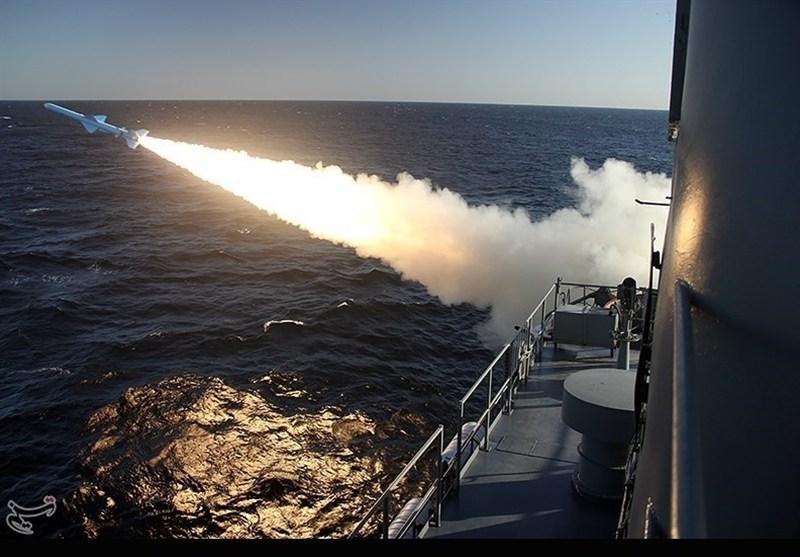
Al Jazeera also reported that the Khatam al-Anbiya Central Headquarters of the Islamic Revolutionary Guard Corps (IRGC) said on Saturday afternoon that armed forces would retaliate against the US if it continues its “blockade, banditry and piracy” in Iran’s southern waters.
Unity Messaging and Threats
Iran’s internal messaging and military posture were presented as tightly coordinated, even as the diplomatic channel with the United States stalled.
Al Jazeera said that amid a “state-imposed near-total internet shutdown in Iran, nearing two months,” officials and supporters of the Islamic Republic emphasized that they were united in opposing any concessions to Trump.
It reported that military, security, judiciary and government authorities released “synchronised messages with near-identical wording to proclaim absolute unity,” circulated through state media and even using similar graphics and fonts but with different colours.
Those messages, Al Jazeera said, claimed that everyone in the country is “revolutionary” and exercises “complete obedience” to Supreme Leader Mojtaba Khamenei.
The same report said Iranian authorities also claimed that “more than 30 million people – a third of Iran’s total population” had registered in a state-run campaign to express readiness to “sacrifice” their lives if necessary, while noting that they “have not provided any documentation to prove this.”
Al Jazeera described the IRGC’s Khatam al-Anbiya Central Headquarters as saying on Saturday afternoon that armed forces would retaliate against the US if it continues its “blockade, banditry and piracy” in Iran’s southern waters, and it quoted the statement’s promise to “maintain management and control of the strategic Strait of Hormuz.”
In downtown Tehran, Al Jazeera reported that a rally on Friday night featured Meysam Motiei, who told crowds that anyone stuck in factional infighting during times of war “has not grown up yet” and warned, “If anyone from any group or faction, especially in the name of being a revolutionary, tries to disturb the unity of the people, they will get a slap in the face by the people.”
Judicial Crackdown and Executions
While diplomacy and messaging unfolded through Pakistan mediation, Iranian domestic repression remained a prominent thread in the reporting, with the judiciary announcing an execution tied to recent protests.
Al Jazeera said that Iran’s judiciary continued to execute dissidents, and on Saturday announced the hanging of Erfan Kiani, who was arrested during the nationwide protests in January when “thousands were killed.”

The report quoted the judiciary’s description of Kiani as “Mossad’s hired knife-wielder” and said he was accused of destroying property, arson and more in downtown Tehran.
The same Al Jazeera piece linked the judicial crackdown to the broader political atmosphere by noting that some in ultraconservative Mashhad were still preaching aggressively against the possibility of former reformist and moderate leaders retaking power, and it included a speaker’s line about “dishonourables who have no concern for the homeland.”
In a different outlet’s framing, Oz Arab Media echoed the idea of a hardline approach by saying “The judiciary has continued its crackdown on dissent, recently executing an individual linked to protests,” though it did not name the executed person.
Nour News, while not focused on a single execution, described the broader environment as one where “diplomacy, military threats, psychological operations, and battlefield posturing are used simultaneously within the framework of cognitive warfare,” and it warned that the negotiation path could become “costly and fragile.”
The Express Tribune, meanwhile, kept its focus on the diplomatic standoff, but it still included Trump’s assertion that Iran’s leadership structure was engulfed in “immense internal conflict and chaos,” a claim that contrasts with Iran’s own synchronized unity messaging described by Al Jazeera.
What Comes Next
Even as direct talks were disrupted, the sources describe continued indirect engagement through Pakistan and competing demands over what a deal must include.
The Express Tribune said Iran Foreign Minister Abbas Araghchi left Pakistan after discussing the overall situation in the region with Prime Minister Shehbaz Sharif and Chief of Defence Forces and Chief of the Army Staff Field Marshal Asim Munir, and it reported that Araghchi said on X that his visit was “very fruitful,” while adding, “Have yet to see if the U.S. is truly serious about diplomacy.”

Chosun Ilbo said that with the weekend talks falling through, “both sides are expected to continue indirect negotiations through Pakistan, the mediator,” and it described Trump’s insistence that Iran’s abandonment of its nuclear program, repatriation of highly enriched uranium, and reopening of the Strait of Hormuz are non-negotiable “red lines.”
Al Jazeera, meanwhile, reported that the IRGC said it would retaliate if the U.S. continues its “blockade, banditry and piracy” in Iran’s southern waters and that Iranian authorities continued to call on supporters, including paramilitary forces, to take to the streets every night.
In a separate report, Masrawy said the Wall Street Journal emphasized that “Nevertheless, neither the Iranian government nor the Trump administration at this juncture seeks war, so the negotiations continue,” while also quoting the WSJ’s list of “No” positions on nuclear and missile issues.
The Masrawy and خبرآنلاین items also described how the scope of talks remained contested: خبرآنلاین said the Wall Street Journal reported that Tehran insisted on “not halting nuclear fuel enrichment,” while the United States sought “missile and regional talks,” and it said the two sides did not meet face-to-face in Muscat, with discussions conducted intermittently with Omani diplomats.
Finally, Al Jazeera described Iran’s own conditions and posture toward the Strait of Hormuz, including the IRGC’s claim of “total control” over the waterway after broadcasting near seized vessels, and it tied that to the broader negotiation stance that Iran would not go beyond its accepted terms.
More on Iran
IRGC Calls The Shots In Iran As Mojtaba Khamenei Stays Out Of Public View
10 sources compared
Iran FM Abbas Araghchi Meets Pakistan PM Shehbaz Sharif as Trump Cancels US Envoys
13 sources compared
Iran Closes Strait of Hormuz, Says U.S. Naval Blockade Is Illegal Piracy
25 sources compared
Trump Cancels U.S. Officials’ Pakistan Trip for Iran Peace Talks
80 sources compared