Iran28 April, 20265 min read
Iran Condemns US Piracy After US Forces Intercept Majestic X And Tifani Tankers
This article is an automated aggregation of coverage from news outlets. Our editorials offer in-depth analysis curated by the NewsCord team.
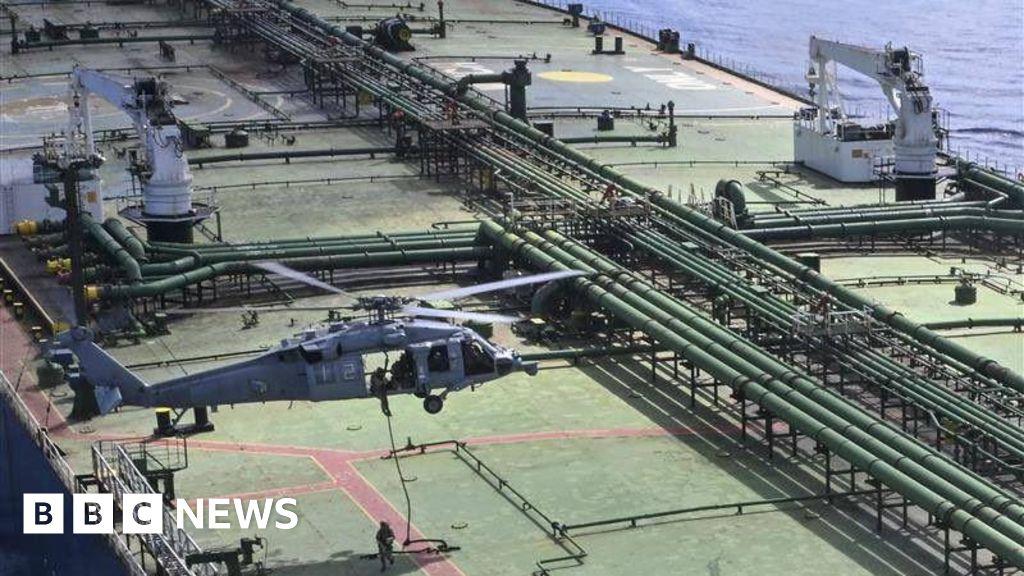
Iran condemns U.S. seizure of two Iranian oil tankers, calling it piracy. Two tankers: Majestic and Tifani, seized in the Indian Ocean.
PressTV was read line by line by the Watchdog: 4.3. See the score →
Tanker seizures spark fury
Iran’s Foreign Ministry condemned the United States for what it called the “outright legalization of piracy and armed robbery on the high seas” after US forces intercepted Iranian oil tankers in the Indian Ocean. In a statement issued Monday, Iranian Foreign Ministry spokesman Esmaeil Baghaei said the US actions followed “the interception of Iranian oil tankers by US forces under the pretext of so-called 'seizure warrants.'”. PressTV said the targeted vessels included the M/T Majestic (formerly M/T Phoenix) and M/T Tifani, and Mehr News Agency repeated that Baghaei condemned the “outright legalization of piracy and armed robbery on the high seas.”
“‘This is the outright legalization of piracy and armed robbery on the high seas,’ Baghaei stated.”
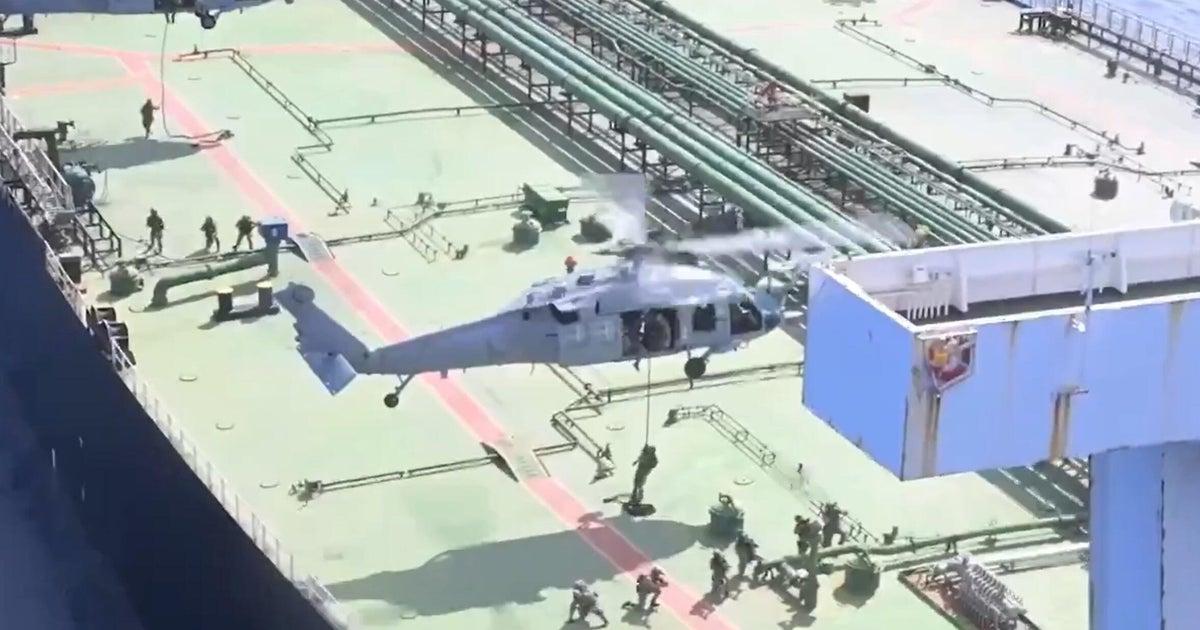
Baghaei said the world was “witnessing 'the return of the pirates,'” while alleging US authorities used legal warrants to justify what he described as unlawful plunder under official flags. The dispute centers on the claim that the ships were carrying “approximately 1.9 million barrels of Iranian oil each,” a figure cited in PressTV, India Today, and Mehr News Agency. The US, for its part, defended the interdictions as lawful enforcement, with India Today quoting Jeanine Ferris Pirro saying US forces seized the tankers Majestic X and Tifani under “court-approved warrants.”

Warrants vs piracy
Tehran framed the seizures as a shift from traditional maritime interference to state-backed theft carried out under legal cover. PressTV said Baghaei condemned “the outright legalization of piracy and armed robbery on the high seas,” adding that the US actions followed “the interception of Iranian oil tankers by US forces under the pretext of so-called 'seizure warrants.'”. Baghaei argued that “Welcome to the return of the pirates — only now, they operate with government-issued warrants, sail under official flags, and call their plunder 'law enforcement,'” a line PressTV attributed directly to him.
Mehr News Agency echoed the same core accusation, stating Baghaei condemned the US for “the outright legalization of piracy and armed robbery on the high seas” and repeating the “Welcome to the return of the pirates” formulation. In the Yemeni outlet Saba, Baghaei’s remarks were presented as a post on X, monitored by Saba, in which he wrote: “Welcome to the return of pirates, but this time they operate under search warrants issued by governments, sail under official flags, and call themselves ‘law enforcement.’”. Saba also reproduced a US-side statement attributed to federal prosecutor Jeanine Pirro, saying: “Overnight, pursuant to a seizure order issued by my office and signed by a federal judge, U.S. forces intercepted the tanker MT Majestic (formerly MT Phoenix) while it was transporting approximately 1.9 million barrels of Iranian oil in the Indian Ocean.”
Strait of Hormuz tensions
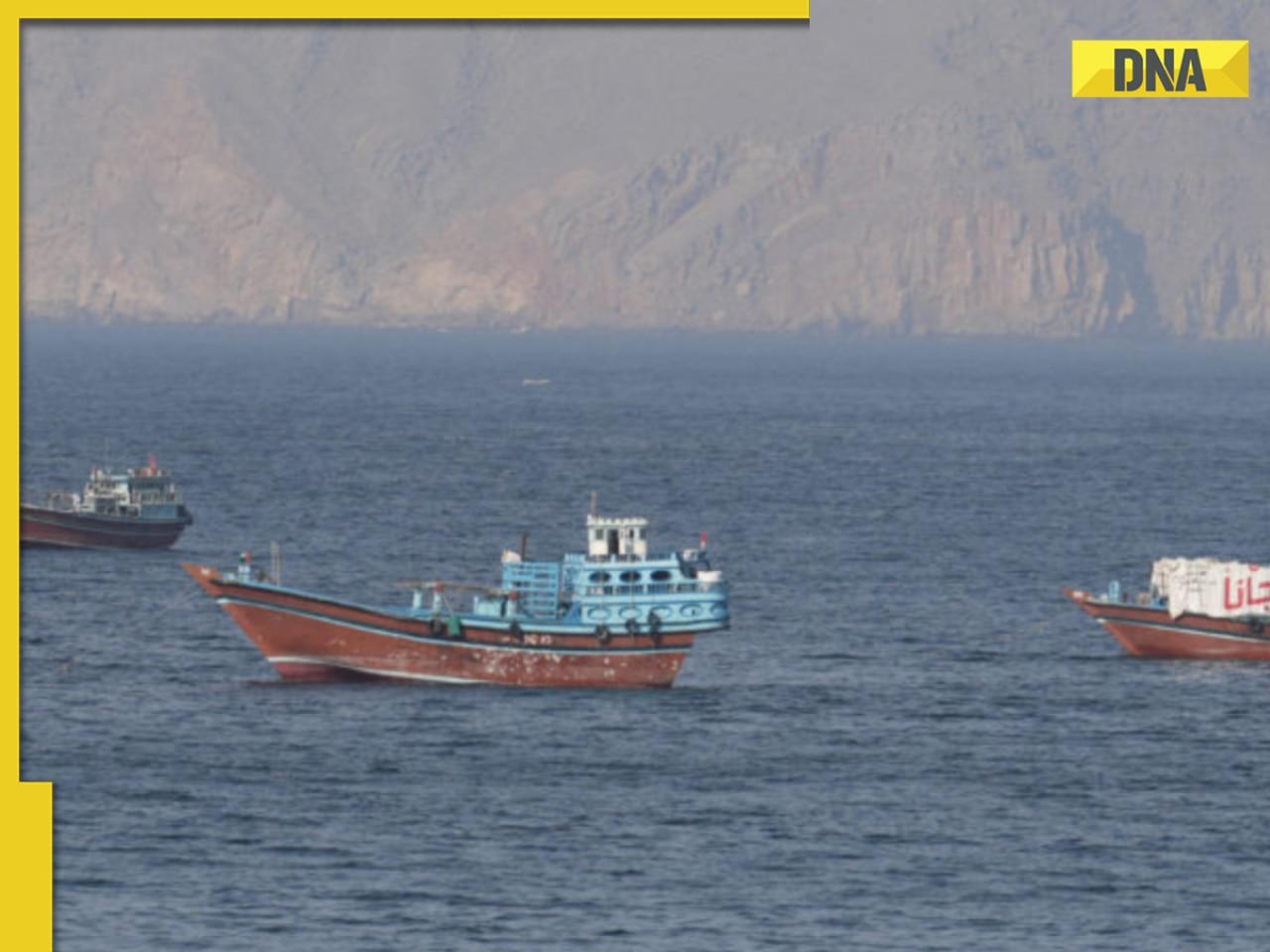
The tanker seizures were described as intensifying tensions in the Strait of Hormuz, with India Today linking the episode to strains across sanctions, oil flows, and diplomacy. India Today said Iran “sharply condemned the United States” after US forces seized two tankers “allegedly carrying Iranian oil,” calling the action “armed robbery on the high seas” and “a violation of international law.” The same report said Baghaei accused Washington of “legitimising piracy,” describing the seizures as “the outright legalisation of piracy and armed robbery on the high seas.”
India Today also placed the episode within a broader pattern of maritime incidents, stating that “Both US and Iranian forces have recently reported incidents involving commercial vessels in the region, raising concerns over maritime security and the stability of energy supplies.” PressTV similarly argued that Tehran viewed the US actions as part of a broader pattern of economic pressure, describing them as “a direct assault on the sovereignty of independent nations and the freedom of navigation enshrined in international conventions.” It added that such actions were “not isolated incidents but part of a broader pattern of economic terrorism aimed at strangling Iran's legitimate oil exports.”
US escalates economic pressure
While Tehran attacked the legality of the seizures, the US side in India Today emphasized enforcement and broader economic pressure aimed at Iran’s oil and aviation sectors. India Today quoted Jeanine Ferris Pirro saying US forces had seized the tankers Majestic X and Tifani under “court-approved warrants,” and it described the vessels as carrying “roughly 1.9 million barrels of Iranian oil each when they were intercepted in the Indian Ocean.” The report said Pirro characterized the operation as part of a broader effort “to disrupt illicit oil networks and prevent sanctioned entities from profiting,” and it added that Pirro said US agencies would continue to “relentlessly investigate, track, and pursue” such cases in coordination with national security partners.
India Today then shifted to a separate US warning, saying the United States warned companies worldwide that providing services to Iran’s airlines could expose them to sanctions. It quoted US Treasury Secretary Scott Bessent saying businesses offering support such as “jet fuel, catering, landing services or maintenance to Iranian aircraft risk punitive action” under a programme dubbed “Operation Economic Fury.” The same report said Bessent urged foreign governments to ensure companies within their jurisdictions avoid assisting Iranian airlines “in any capacity,” and it stated the US Treasury would pursue “maximum pressure” on Iran and take action against third parties found facilitating or conducting business with Iranian entities.
Trump hardline and next steps
India Today connected the tanker episode to President Donald Trump’s stance, portraying no immediate shift in Washington’s approach to Iran.
The report said Trump signalled no immediate shift, stating: “If they want to talk, they can come to us,” and it added that Trump reiterated that any agreement must ensure Iran does not develop nuclear weapons.

India Today also said “They know what has to be in the agreement. It’s very simple,” quoting Trump directly.
In the same account, the seizures were described as intensifying pressure on Iran’s oil industry, with storage facilities “particularly at Kharg Island” nearing capacity as crude continued to accumulate.
The report said “Analysts say Iran faces a difficult choice,” framing the dilemma as halting production risking long-term damage to oil wells while export routes remain constrained.
Across the sources, the immediate next steps described include continued US pursuit of similar cases, with Pirro saying agencies would “relentlessly investigate, track, and pursue,” and Tehran’s insistence on accountability, with Baghaei saying “The United States must be held fully accountable for this brazenly lawless behavior.”