
Iran Controls Strait of Hormuz, Shifts Global Energy Balance
Key Takeaways
- Oil prices surge as Strait of Hormuz disruption fears rise amid Iran-U.S.-Israel war.
- Brent trades above $110 per barrel; global markets show volatility and investor anxiety.
- Mine threats and escalating conflict raise concerns about Hormuz oil corridor and supply stability.
Strait of Hormuz Control
Iran's control of the Strait of Hormuz has reshaped global energy markets.
Professor Pape said Iran now influences oil prices more than any other actor and uses this leverage for geopolitical gain.

Bloomberg documented a widening gap between Brent futures and physical prices.
BBC Mundo explained the Strait carries 20% of global oil consumption and LNG trade.
The IEA warned supply outages would affect Europe starting in April.
Iran Revenue from Tolls
The closure allowed Iran to impose tolls on commercial shipping, creating new revenue.
ANA News reported payments have become a substantial source of income for Iran.

BNN Bloomberg observed Western oil imports fell by over 80%.
Alternate routes could add $150 to $250 per barrel in transport costs.
Impact on Global Trade
The war's disruption of energy exports has cascaded through global trade networks.
Bloomberg documented how supply shocks have rippled through sectors beyond oil.
Eghtesad News explained the market had been relatively calm before March 1.
The survival of global supply chains depends on halting the war Washington and Tel Aviv started.
More on Iran
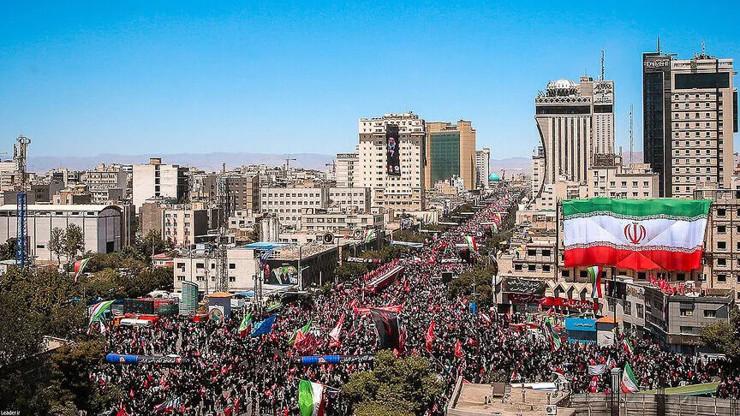
Israeli Strike Kills Ayatollah Ali Khamenei, Buried at Imam Reza Shrine in Mashhad
19 sources compared
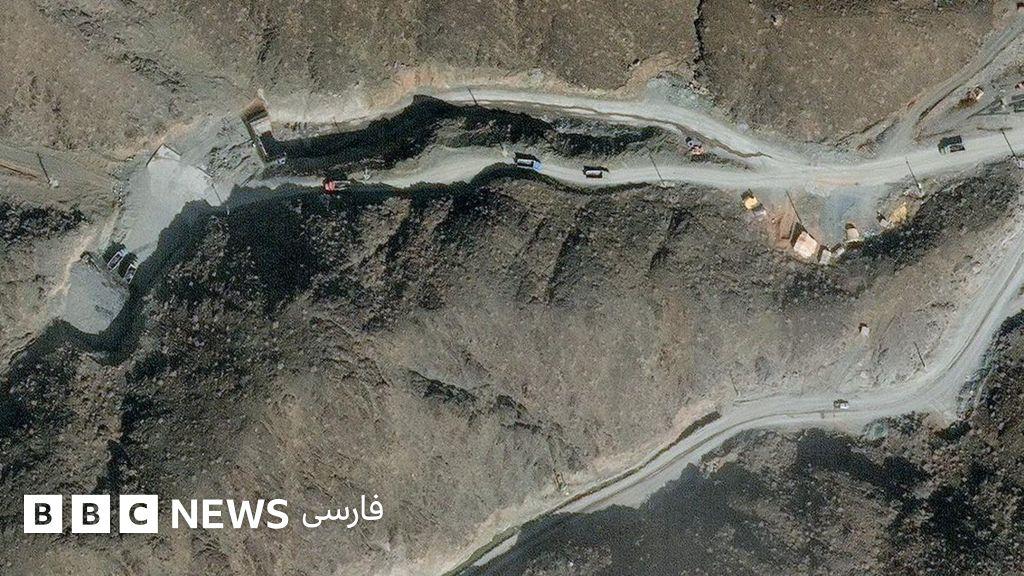
Iran Attempts To Restore Nuclear Sites Damaged In US And Israel Strikes, CNN Satellite Images Show
15 sources compared
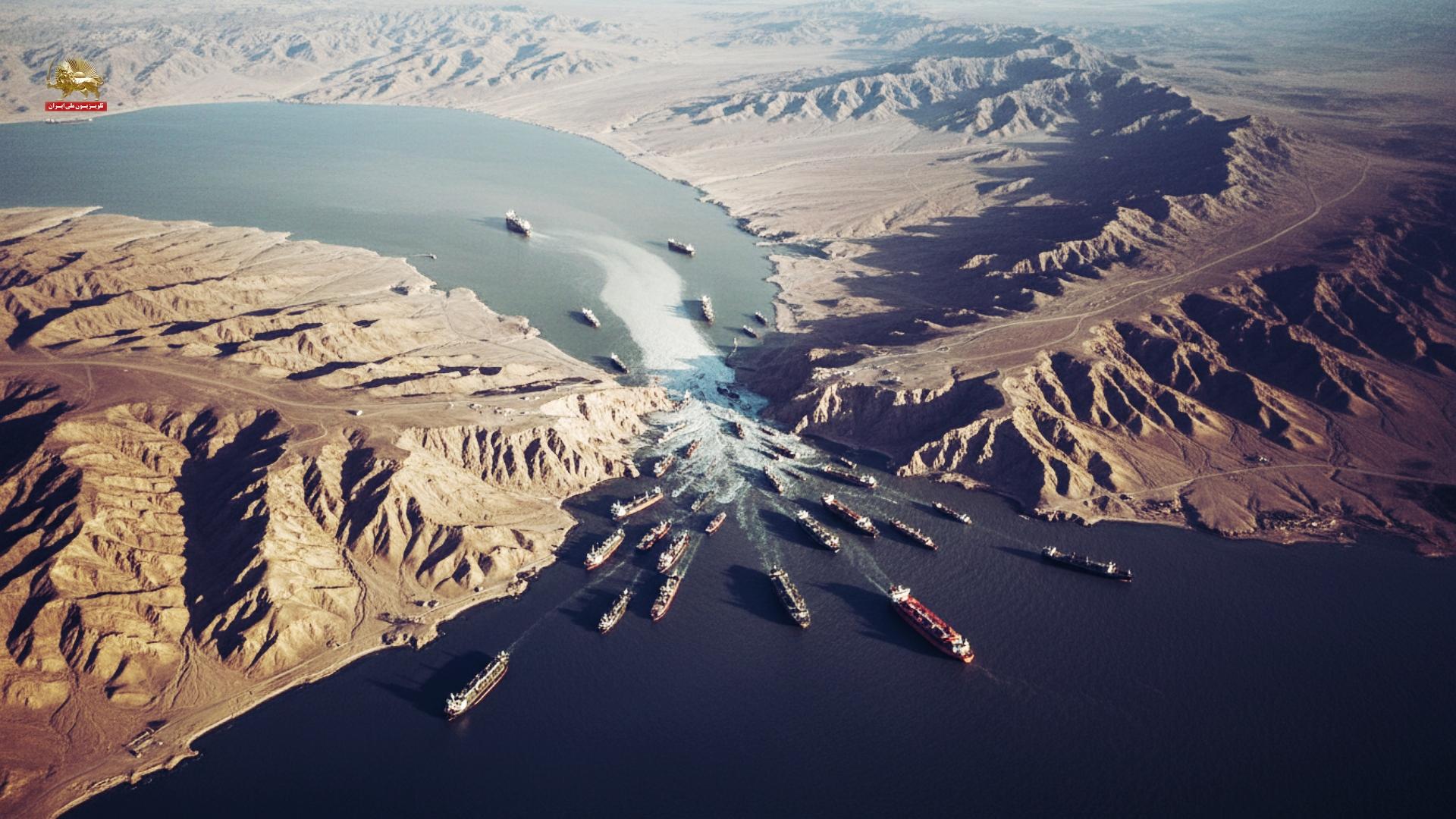
Abbas Araghchi and Prince Faisal Bin Farhan Discuss Regional Developments After US Attacks
11 sources compared

Trump Says U.S. Agreed to Continue Iran Talks, Ceasefire Is Over
19 sources compared