
Iran Coordinates With Oman on Toll-Based Strait of Hormuz Management Plan
Key Takeaways
- Iran and Oman coordinating a toll-based management plan for the Strait of Hormuz.
- The plan would impose fees on transit and aims to reshape control of Hormuz.
- Meetings included foreign ministry undersecretaries and experts; proposals to be studied to ensure smooth passage.
Iran-Oman toll plan
Iran’s foreign minister Abbas Araghchi said Tehran was coordinating with Oman about a “toll-based management plan” for the Strait of Hormuz, and he declared the waterway “exclusively Omani-Iranian waterway with no international waters between them.”
“The United Arab Emirates is fast-tracking the construction of a new pipeline, which will double the export capacity through Fujairah, a port city in the country’s east, as Gulf nations seek to bypass the Strait of Hormuz”
Araghchi made the announcement Friday while in India, and the proposal was described as potentially reshaping global shipping and triggering international backlash over control of the chokepoint.

The eciks.org account says Iran established the Persian Gulf Strait Authority on May 5 to approve vessel transit and collect fees, with ships required to register by email to receiverouting information and passage permission and to pay in Iran’s national currency at fees set at approximately $1 per barrel.
The same source says Western diplomats argue the proposal violates international law by imposing arbitrary tolls and allowing Iran to select which ships pass based on nationality, and it adds that requiring rial accounts potentially violates UN sanctions prohibiting money transfers to the Islamic Revolutionary Guard Corps.
In a separate thread of the dispute, the eciks.org piece says the Strait of Hormuz carries roughly 20 percent of global seaborne oil and that China imports nearly 45 percent of Iran’s oil through the strait, giving Beijing leverage in negotiations.
Ships seized, talks stalled
Tensions near the Strait of Hormuz escalated Thursday when a ship anchored off the United Arab Emirates was seized and taken toward Iran, while an Indian-flagged cargo ship near Oman sank after being attacked, according to authorities cited by NPR.
The UK Maritime Trade Operations center said it received reports the seized vessel was taken by unauthorized personnel while anchored 38 nautical miles (70 kilometers, 44 miles) northeast of the UAE port of Fujairah, and it added the British military said the vessel is heading toward Iranian waters.

NPR also reported that Indian authorities said the attack on the Indian-flagged cargo ship Haji Ali occurred Wednesday, and Mukesh Mangal said all 14 Indian crew members were rescued by Oman's coast guard and were safe.
In parallel, CBS News said President Trump and Chinese President Xi Jinping agreed that the Strait of Hormuz “must remain open” and that Iran “can never have a nuclear weapon,” as a White House readout described the summit.
CBS News further quoted Trump telling Fox News that Xi assured him China would not provide military equipment to Iran, describing it as a “big statement,” while the same CBS account says the strait has been effectively closed since the U.S.’s war with Iran began in late February.
Pipelines, fees, and risk
As Gulf nations seek alternatives to the Strait of Hormuz, the United Arab Emirates is fast-tracking a new pipeline to bypass the waterway, with Crown Prince Sheikh Khaled bin Mohamed bin Zayed directing acceleration of the West-East Pipeline project at an executive meeting held by ADNOC on Friday.
“'Floating armoury' ship reportedly seized by Iran A vessel reportedly operating as a "floating armoury" in the Gulf of Oman has been seized by Iranian military personnel, according to the maritime risk management company Vanguard”
Al Jazeera reported the pipeline should be operational by 2027, and it said the project would double export capacity through Fujairah, a port city in the country’s east.
NBC News similarly said the UAE will accelerate construction of a new oil pipeline to double its export capacity through Fujairah by 2027, and it added that the existing Abu Dhabi Crude Oil Pipeline can carry up to 1.8 million barrels per day.
Against that backdrop, USNI News said Iran’s plan to charge for Strait of Hormuz transits could spread to other regions, with maritime expert Ian Ralby warning that if Iran maintains its “Tehran tollbooth model,” there is potential for other countries to be “copycats.”
USNI News also reported Lloyd’s List tracking 18 transits this week as of Thursday and said there were no transits recorded by Lloyd’s on May 7-8, while it described the broader challenge as any “imposition of some kind of impediment to the freedom of navigation” affecting “everyone and everything.”
More on Iran
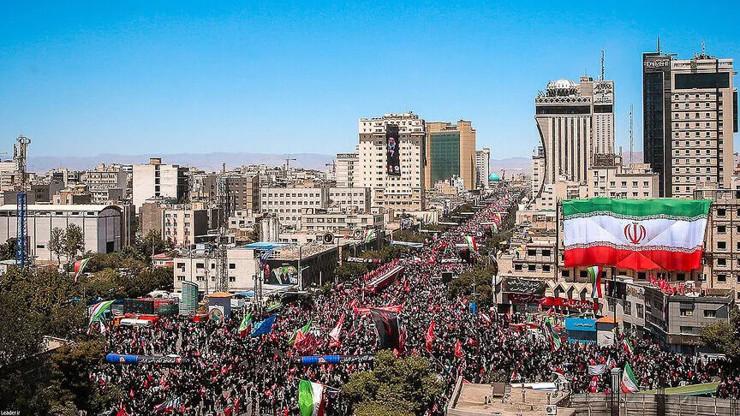
Israeli Strike Kills Ayatollah Ali Khamenei, Buried at Imam Reza Shrine in Mashhad
19 sources compared
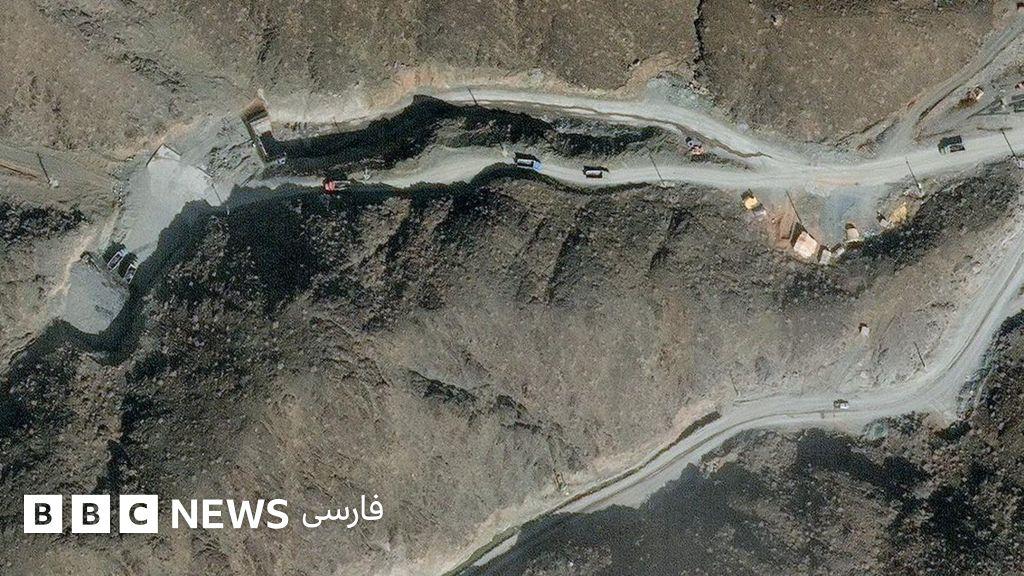
Iran Attempts To Restore Nuclear Sites Damaged In US And Israel Strikes, CNN Satellite Images Show
15 sources compared
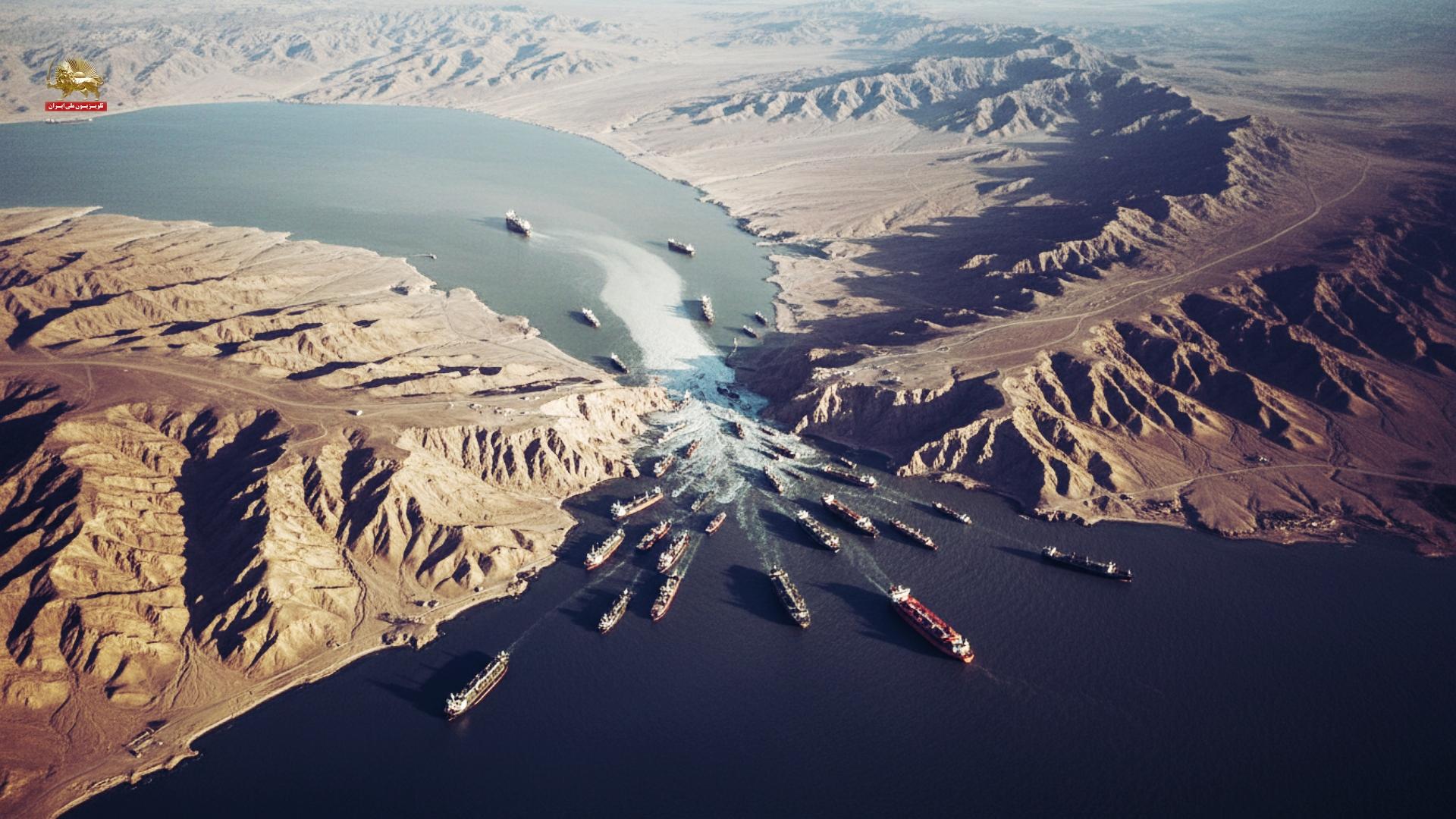
Abbas Araghchi and Prince Faisal Bin Farhan Discuss Regional Developments After US Attacks
11 sources compared

Trump Says U.S. Agreed to Continue Iran Talks, Ceasefire Is Over
19 sources compared