Iran-Israel18 October, 20253 min read
Iran Declares Nuclear Bomb Plan as JCPOA Expires, Fueling Israel’s Military Panic
Iran declared all nuclear deal restrictions terminated after JCPOA and UN Resolution 2231 expired. Iran suspended cooperation with the IAEA following US and Israeli strikes on its nuclear facilities.

30 outlets told this the same way.
Outlets did split on U.S. Intercepts Iran Message Activating Sleeper Cells After U.S.-Israel Strike Kills Khamenei →
Iran Nuclear Deal Developments
Multiple sources report that Iran has declared itself no longer bound by the 2015 nuclear deal’s restrictions amid disputes over UN sanctions. None of these sources corroborate the claim that Tehran has declared a nuclear bomb plan. West Asian and Asian outlets emphasize Iran’s denial of any weapon intent and note that neither the IAEA nor US intelligence found evidence of such activity this year.
“In August, Britain, France, and Germany reported Iran's significant violations to the UN Security Council, resulting in the reinstatement of international sanctions.”
This is despite the fact that enrichment levels have risen. Western mainstream coverage highlights Europe’s use of the snapback mechanism to reinstate UN sanctions and Iran’s reduced cooperation with the IAEA.
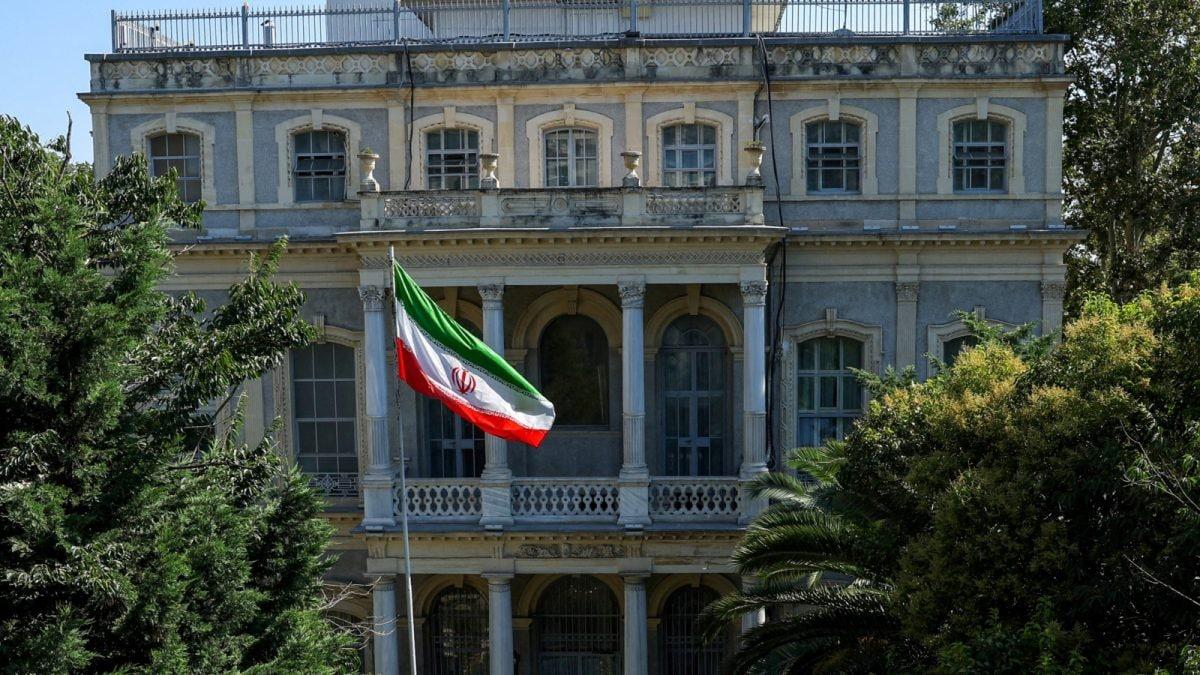
Several outlets describe elevated concerns in Israel and the West over Iran’s 60% uranium enrichment, which is near weapons-grade. Iran maintains that its nuclear program is peaceful and says it remains committed to diplomacy.
JCPOA Expiry and Sanctions Debate
There is notable legal and timeline ambiguity across sources over whether the JCPOA/UNSC Resolution 2231 has already expired or is set to expire, and what that means for sanctions. Several outlets say Resolution 2231 expires on October 18, 2025, and that attempts to revive sanctions under it after that date are invalid. Others report that the E3 have already used snapback to reinstate UN sanctions, effectively ending the deal on its 10th anniversary.
Some sources further argue that the deal’s “expiration” is largely symbolic due to prior snapback moves. Iran and allied states claim the UN Secretariat cannot legally reinstate expired resolutions.
Iran-IAEA Monitoring Issues
Monitoring and verification have sharply degraded, with multiple outlets reporting Iran’s suspension of cooperation with the IAEA and the withdrawal of inspectors. These actions are often linked to US and Israeli strikes on Iranian sites. Western mainstream reports frame this as part of significant violations that triggered sanctions snapback.
“In July... Iran suspended cooperation with the IAEA, criticizing the agency for not condemning Israel and the U.S.”
West Asian sources emphasize Iran’s grievance that the IAEA failed to condemn those attacks. Asian and other outlets also record the practical consequence: the IAEA can no longer adequately monitor Iran’s program, intensifying international concern.
Debate Over Sanctions and Legality
The sanctions and legality debate is deeply divided. Western mainstream outlets emphasize that Europe’s snapback has reinstated UN sanctions. West Asian and Russian-aligned perspectives reject the snapback’s legality and assert Iran’s rights under the NPT.
Some West Asian outlets further argue that the IAEA and even US intelligence have not found evidence of weaponization. These outlets portray Israeli and Western claims as politically motivated.

Meanwhile, European and US positions continue to view Iran’s enrichment and non-cooperation as unacceptable. Some sources note that diplomatic channels remain open despite the tensions.
Iran Nuclear Tensions Overview
Regional conflict dynamics amplify the risk perceptions. Several outlets report that a recent 12-day Iran-Israel conflict and US/Israeli strikes on Iranian sites worsened cooperation with the IAEA and derailed secret talks. Reports of Iran’s higher uranium enrichment levels and alleged activity at underground sites have increased Western and Israeli alarm.
“The recent 12-day conflict between Iran and Israel disrupted secret talks to revive the 2015 Iran nuclear deal.”
Others emphasize Iran’s denials, its diplomatic preference, and its argument that its nuclear file should be treated like that of other NPT non-nuclear-weapon states. Overall, sources describe heightened tensions and concern rather than any verified declaration of a bomb plan by Iran.
Iran's UN Diplomatic Position
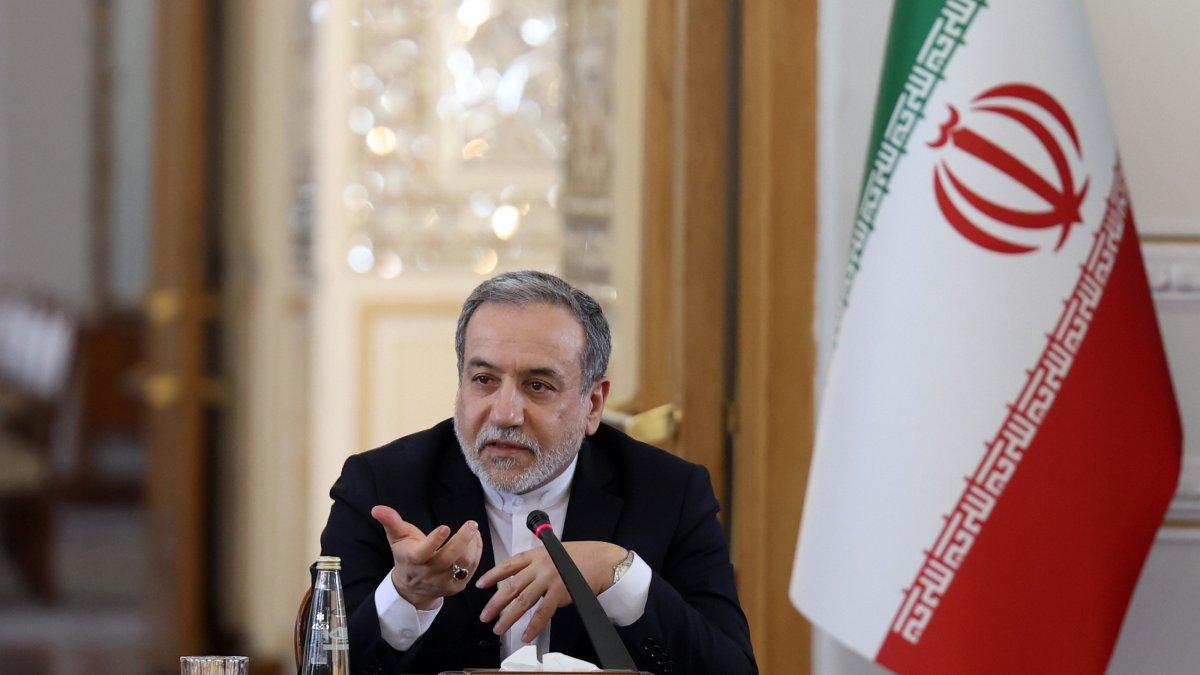
Iran’s diplomatic messaging to the UN centers on rejecting what it calls misinformation about sanctions. It insists that expired resolutions cannot be revived and demands its program be treated like that of any NPT non-nuclear-weapon state. Several West Asian and other outlets highlight Tehran’s condemnation of US and Israeli attacks as violations of international law.
These outlets also note support from Russia, China, Algeria, and Pakistan against European snapback efforts. In parallel, Iran says it will limit cooperation to its NPT-based safeguards and national laws. Iran asserts that Resolution 2231’s goals were met and should no longer govern its activities.