Iran · 15 August, 2026 · 3 min read
Qatar Denies Detaining Iranian Su-24 Pilots, Says It Recovered One Remains
Qatar categorically denies detaining Iranian pilots; says remains of one pilot were found. Tehran claims Qatar captured three Iranian pilots during the March attack.
Qatar says no surviving pilots are detained; Iran says three were held.
6 of 8 outlets skipped it: qatar invites an Iranian team to review April search details.
Anadolu Ajansı was read line by line by the Watchdog: 5.9. See the score →
38outlets compared
Same story, two versions
tap a side to read it in full
Al Jazeera
“‘surprised by these misleading statements’ said Qatar’s Foreign Ministry spokesman Majed al-Ansari”Read the original ↗
The New York Times
“He said the men were flying Su-24 fighter jets in an operation on March 2, days after the outbreak of the war”Read the original ↗
Al Jazeera and NYT foreground Qatar denial versus Bagherzadeh letter; both attribute custody claims to Iran.
Qatar denies pilot detention
Qatar denied Tehran’s claim that it is detaining Iranian bomber pilots after their aircraft were downed during hostilities earlier this year, saying it recovered only one pilot’s remains and that Qatari forces are not holding any surviving aircrew. Qatar’s Foreign Ministry spokesman Majed al-Ansari said, “We categorically deny the claims circulating regarding the detention of Iranian pilots & are surprised by these misleading statements,” and he added that Qatari search-and-rescue teams later found the remains of one pilot. Iran’s General Mohammad Bagherzadeh said in a letter to the International Committee of the Red Cross that three pilots—Javad Salehi, Abdolmajid Dashtian and Omran Behraveshian—were captured alive after their Su-24 warplanes crashed in March and were held incommunicado for six months without access to their families or diplomatic representatives.
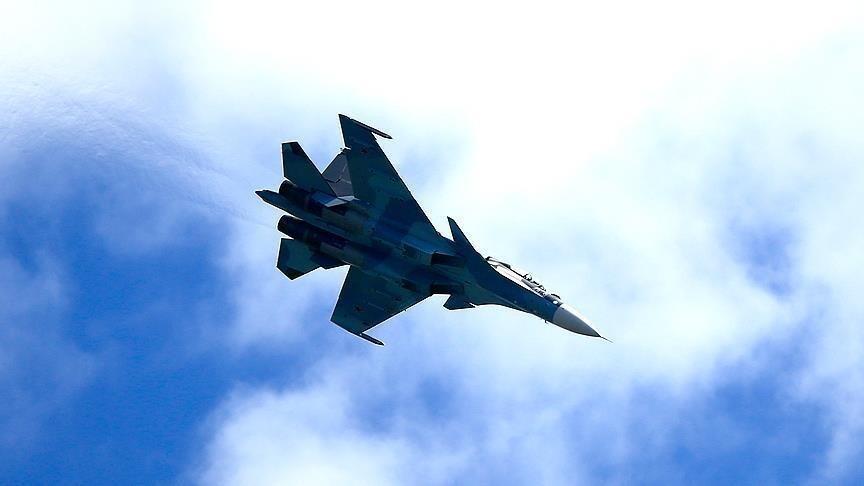
The dispute centers on March events in which Qatar’s Defence Ministry reported shooting down two Iranian Sukhoi Su-24 bombers during an operation that reportedly targeted Al Udeid airbase, and Doha said it established contact with the aircraft after an unauthorised breach of Qatari airspace. Qatar said it communicated with the Iranian side to coordinate the handover of the remains of one of the pilots and issued an invitation for an Iranian team to visit Qatar to be briefed on search-and-rescue operations in April, but “the Iranian side has yet to respond to the invitation.”

ICRC access and accusations
Iran demanded Qatar release the three captured pilots and called for International Committee of the Red Cross access, with General Mohamad Bagherzadeh telling the ICRC that the airmen had been held for six months and had not been allowed to meet or speak with their families or Iranian officials handling their cases.
Bagherzadeh accused Doha of repeatedly delaying the investigation and preventing the pilots’ return to Iran, and Reuters reported that an Iranian Air Force expert and fact-finding team had been waiting for months to enter Qatar.
Qatar rejected the accusations and said it had invited Tehran to review the search-and-rescue details, but that Tehran had yet to respond to the invitation.
In a separate dispute over information access, Reuters reported that Qatar should allow an Iranian team to enter the country to investigate the fate of pilots whom Tehran says were captured by Qatari forces, while Qatar denies holding any Iranian pilots.
The confrontation also unfolded alongside Iranian rejection of U.S. President Donald Trump’s remarks about declaring the Strait of Hormuz a U.S. territory, with Iran’s Deputy Foreign Minister Kazem Gharibabadi posting that the strait “cannot be seized with a tweet, nor with an aircraft carrier.”
Trade disruption and next deadline
Beyond the pilot dispute, the sources link the broader Iran-Qatar standoff to economic strain tied to war and disruption in the Strait of Hormuz, with Iran’s Trade Promotion Organization official Mohammad-Sadegh Ghanadzadeh saying both non-oil exports and imports fell by roughly 30% during the first four months of the current fiscal year from March 21 to July 22. The same reporting said China trade plunged to roughly one-quarter of the level recorded during the same period a year earlier, and it cited Chinese customs records showing trade with Iran totaled less than $823 million during the first four months of the war from March through June. Majidreza Hariri, chairman of the Iran-China Chamber of Commerce, said transporting goods from China to Iran by sea or land now costs four times as much as before the war, with shipping a container costing as much as $13,000.
The diplomatic friction is also framed around a negotiating window, with Al Jazeera saying a 60-day negotiating window established under a mid-June memorandum of understanding expires on Monday and that few direct talks had happened, leaving maritime traffic through the Strait of Hormuz at a trickle. AIn that context, Qatar remains actively engaged as a key mediator pushing for a negotiated settlement between Iran and the US, while Tehran warned it would continue to enforce its blockade until Washington accepts “the reality of defeat.”