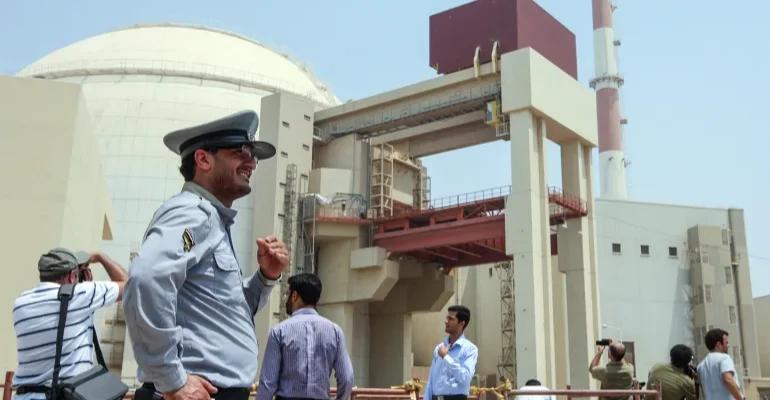
Iran Denies IAEA Inspection Invitation, Says Bushehr Inspections Continue Under MoU Timeline
Key Takeaways
- Iran denies inviting IAEA inspectors; some outlets report invitations amid MoU talks
- Bushehr site inspections proceed per MoU timetable
- Some outlets say Iran invited IAEA inspectors; others deny, causing confusion
Iran denies IAEA invitation
Iran’s Foreign Ministry spokesman Esmaeil Baghaei denied reports that the Islamic Republic of Iran has invited the International Atomic Energy Agency (IAEA) to inspect its nuclear facilities, while pointing to a June 18, 2026 Memorandum of Understanding on the Cessation of War.
“Iran denies closure of Hormuz, IAEA inspection - Breaking The News Home Markets Economy Business Politics World War/Terrorism Technology Crypto Sports Insights [](https://breakingthenews”
Baghaei said the MoU’s Paragraph 8 sets a 60-day timeframe for negotiations on the nuclear issue, contingent on prerequisites in Paragraph 13, and he added that Paragraph 9 requires the current status of Iran’s nuclear program to be maintained throughout that 60-day period.

He said inspections of facilities such as Bushehr, which have been conducted thus far, will continue, but inspections of facilities where the Agency’s access was suspended due to “the criminal military attacks by the United States and the Zionist regime” would be contingent on the negotiation process and its outcome.
The denial was echoed in a separate report that described Baqaei dismissing claims about a Strait of Hormuz closure and rejecting allegations of new IAEA inspections, while stating that maritime traffic remains uninterrupted and that routine inspections at facilities already subject to monitoring, including Bushehr, will continue as before.
Negotiations tied to access
Iran’s Foreign Ministry spokesman Esmaeil Baqaei told reporters that any future inspections or renewed access to facilities where IAEA activities were suspended following “the criminal military attacks by the United States and the Israeli regime” would depend on the course and outcome of the forthcoming negotiations.
In the same framing, the MoU was described as providing for nuclear talks within a 60-day window under Article 8, subject to prerequisites in Article 13, while Article 9 requires Iran’s nuclear program status to remain unchanged throughout the 60 days.

The dispute over inspections also appeared in a separate account of U.S. claims, where a U.S. envoy to the United Nations Security Council accused Iran of refusing inspections of its nuclear facilities and of evading guarantees related to its nuclear program.
That U.S. envoy’s remarks were tied to a call for “full compliance with the International Atomic Energy Agency's requirements,” as the report said the statements came amid rising political and security tensions.
IAEA access, draft resolution
While Iran’s Foreign Ministry spokesman Esmaeil Baghaei denied an invitation narrative, other reporting described a competing U.S. position that Iran would invite the UN nuclear watchdog to inspect its nuclear sites and begin work on identifying enriched material sites, as U.S. envoy Steve Witkoff told US officials in a private briefing.
That same account said Witkoff clarified that the U.S.-Iran memorandum of understanding did not include any “side deals,” but that a “side letter” had been drafted between Tehran and the IAEA extending an invitation to IAEA Director-General Rafael Mariano Grossi and would allow him to bring US nuclear inspectors to Tehran.
On the diplomatic track at the IAEA, a report said a European-American draft resolution would be pushed to demand Iran disclose the fate of its stockpile of enriched uranium and allow the IAEA to resume investigations and inspections, with the text calling for precision about stockpiles and facilities and for the safeguards agreement to not be amended or suspended unilaterally.
The stakes were described in the same report as centering on the fate of Tehran’s stockpile of highly enriched uranium, with Western estimates putting it at “more than 400 kilograms,” and with IAEA assessments noting that the Agency’s inability to access it for almost a year and to inspect it raises concerns about proliferation.
More on Iran
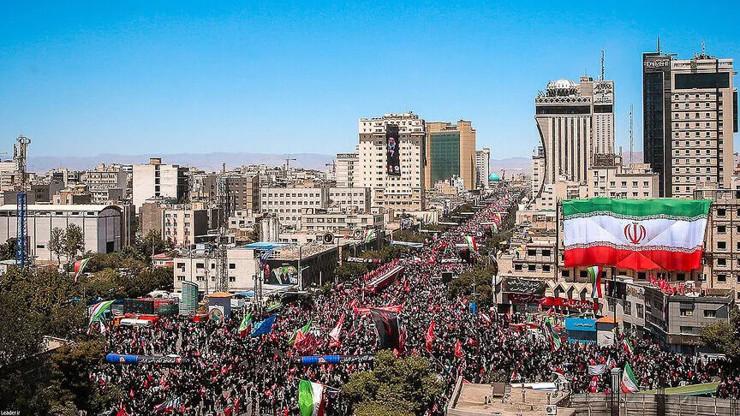
Israeli Strike Kills Ayatollah Ali Khamenei, Buried at Imam Reza Shrine in Mashhad
19 sources compared
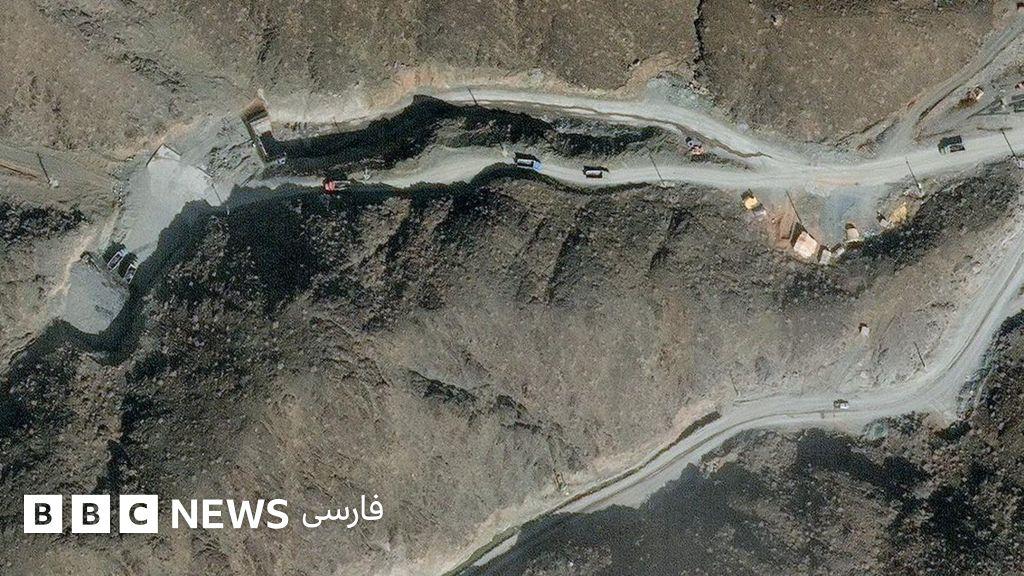
Iran Attempts To Restore Nuclear Sites Damaged In US And Israel Strikes, CNN Satellite Images Show
15 sources compared
Abbas Araghchi and Prince Faisal Bin Farhan Discuss Regional Developments After US Attacks
11 sources compared

Trump Says U.S. Agreed to Continue Iran Talks, Ceasefire Is Over
19 sources compared