Iran-Israel29 September, 20252 min read
Iran Executes Over 1,000 Prisoners in Largest Wave of Political Killings Since 1979
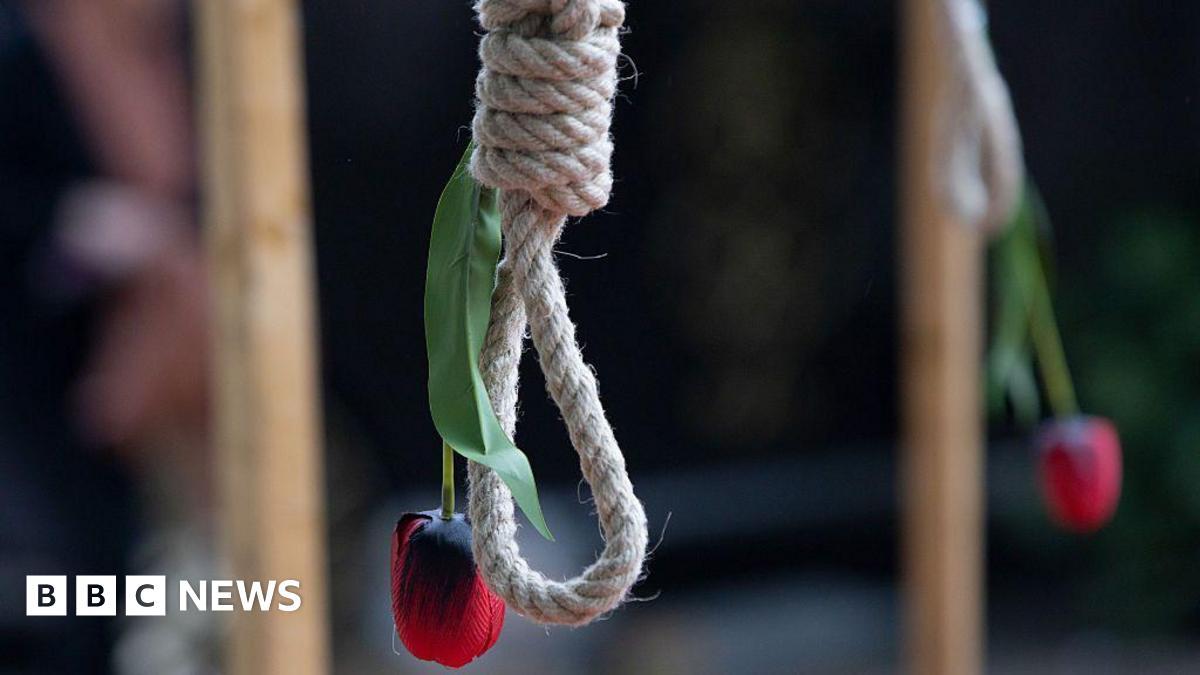
Iran executed Bahman Choobiasl, accused of spying for Israel’s Mossad in telecommunications. Over 1,000 people have been executed in Iran in 2025, the highest since 1988.
26 outlets told this the same way.
Outlets did split on U.S. Intercepts Iran Message Activating Sleeper Cells After U.S.-Israel Strike Kills Khamenei →
Increase in Executions in Iran
In 2025, Iran has witnessed a dramatic surge in executions, with over 1,000 people reportedly put to death, marking the highest rate since 1988. This increase is largely attributed to the Iranian government's response to internal unrest and external pressures, including renewed UN sanctions related to its nuclear program.
“This surge in executions aligns with Iran's reaction to renewed UN sanctions related to its nuclear program and ongoing domestic unrest fueled by economic problems, women's rights protests, and opposition to theocratic governance.”
Human rights organizations, such as Iran Human Rights and the Abdorrahman Boroumand Center, have highlighted the lack of transparency in these executions, suggesting that the actual numbers could be even higher. The executions have been described as a severe violation of human rights by UN experts, who have condemned the scale of the killings as an "industrial scale" of hangings.

Executions for Espionage Accusations
The executions have been particularly focused on individuals accused of espionage, with at least nine people executed on such charges since June. Notable cases include Babak Shahbazi and Bahman Choobiasl, both accused of spying for Israel.
Activists claim that Shahbazi was coerced into a false confession, while Choobiasl was involved in sensitive telecommunications projects. These executions are part of Iran's broader strategy to counter perceived threats from Israel, especially following Israeli airstrikes that killed around 1,100 people, including military leaders.

Global Response to Executions
The international community has reacted with alarm to the surge in executions. UN human rights experts have issued a joint statement condemning the executions as a grave violation of the right to life.
“UN human rights experts have expressed alarm over a sharp increase in executions in Iran, reporting that over 1,000 people were executed in the first nine months of 2025.”
They noted that many of the executions were for drug-related offenses, which do not meet the "most serious crimes" threshold under international law. The experts also highlighted that these executions disproportionately affect marginalized ethnic minorities, who face additional human rights abuses.
Iran's Internal and External Challenges
The domestic situation in Iran is marked by widespread protests over economic hardships, women's rights, and demands for political reform. These internal pressures have been compounded by external conflicts, particularly with Israel, leading to a cycle of violence and retaliation.
Iran's execution spree is seen as a method to suppress dissent and project strength amid these challenges. The executions have also been linked to Iran's broader geopolitical strategy, as the country faces renewed sanctions and international isolation.
Criticism of Iranian Executions
The Iranian government's actions have drawn criticism from various international bodies and human rights organizations. These groups argue that the executions are a tool for political repression. The lack of transparency and due process in these cases has been a major point of contention.
“In 2023, Iran has dramatically increased its execution rate to levels not seen since 1988, with over 1,000 executions reported by human rights organizations, though the true number may be higher.”
The executions are seen as part of a broader pattern of human rights abuses in Iran. These abuses include restrictions on freedom of expression and assembly, as well as discrimination against women and minorities.
