Iran08 March, 20263 min read
Iran Fires 133 Missiles and Drones at Gulf States, Damages Bahrain Desalination Plant, Injures Three
Iran launched barrages of missiles and drones at Gulf states An Iranian drone damaged a Bahraini desalination plant

Gulf barrage expands conflict
A major new barrage across the Gulf on March 8, 2026 expanded the week‑long U.S.–Israel–Iran confrontation, with Gulf states reporting large numbers of incoming missiles and drones and multiple countries intercepting strikes. The UAE's Defense Ministry said Iran launched "16 ballistic missiles and more than 117 drones in new barrages Sunday," while regional reporting noted the UAE described "more than 100" incoming launches and several states reported intercepting missiles and drones as strikes spread to countries that host U.S. bases. Observers described the round of attacks as widening the conflict and drawing in states that had previously been assured their bases would not be targeted.
“Gulf states (Bahrain, Kuwait and the UAE) reported intercepting incoming missiles and drones— the UAE said more than 100 were launched; Bahrain said a desalination plant and other civilian sites were struck with at least one fatality, though water supplies reportedly remained online.”
Bahrain strike reports
Bahrain reported damage to a desalination plant and injuries from falling debris, with local authorities and regional outlets offering differing details about the target and casualties. Bahrain said an Iranian drone strike 'damaged a desalination plant and injured three people,' while other reporting noted fragments from an Iranian missile damaged a university building in Muharraq and injured three, and some Gulf statements said a desalination plant and other civilian sites were struck 'with at least one fatality.' The New York Times said Bahrain's interior ministry accused Iran of using a drone that damaged a desalination plant and 'indiscriminately' struck civilian targets.
Officials reported water systems remained broadly functional but the status of individual plants was unclear. These accounts conflict on whether the damage came from a drone or a missile, which sites were hit, and whether there were fatalities.

Claims over Qeshm strike
Iran framed the strikes — including the Bahrain incident — as retaliation and cited what it called a dangerous U.S. precedent after an earlier strike that allegedly hit a Qeshm Island desalination plant. Iran’s foreign minister accused the United States of "setting a precedent" by striking a freshwater desalination plant on Qeshm Island and said the attack "interrupted water supplies to about 30 villages."
“Iran accused the United States of setting a precedent by striking a freshwater desalination plant on Qeshm Island, calling the attack a ‘blatant and desperate crime’ that interrupted water supplies to about 30 villages, Foreign Minister Abbas Araghchi said.”
Multiple outlets reported Tehran pointed to that episode in justifying its counter‑strikes. U.S. authorities have not confirmed responsibility for any such strike on Qeshm, and reporting on attribution of specific attacks remains incomplete.
Gulf desalination vulnerabilities
Analysts and regional reporting warned the attacks threaten critical water infrastructure across the Gulf, where desalination supplies a large share of drinking water and many plants sit exposed on the coast. Multiple outlets stressed the strategic vulnerability: Gulf states operate more than 400 desalination plants that produce roughly 40% of the world’s desalinated water. They said national dependencies are high, with figures cited at about 90% reliance in Kuwait, 86% in Oman, 70% in Saudi Arabia and roughly 42% in the UAE, and warned that disabling coastal plants could leave major cities unable to sustain populations and risk rapid shortages in smaller states.
Escalating regional war
The barrage is part of a broader, fast‑escalating regional war that has generated substantial casualties and damage. It has prompted warnings from international actors and sharpened rhetoric about regime change. Iran said more than 1,230 people had been killed; Lebanon reported roughly 394–397 dead with massive displacement; Israel reported about a dozen fatalities; and several U.S. service members also died.
“Human toll and displacement: Iran reported at least 1,230 dead. Lebanon reported about 397 dead and more than 400,000 people displaced. Israel has 11 fatalities (including two soldiers). Six U.S. service members have been killed.”
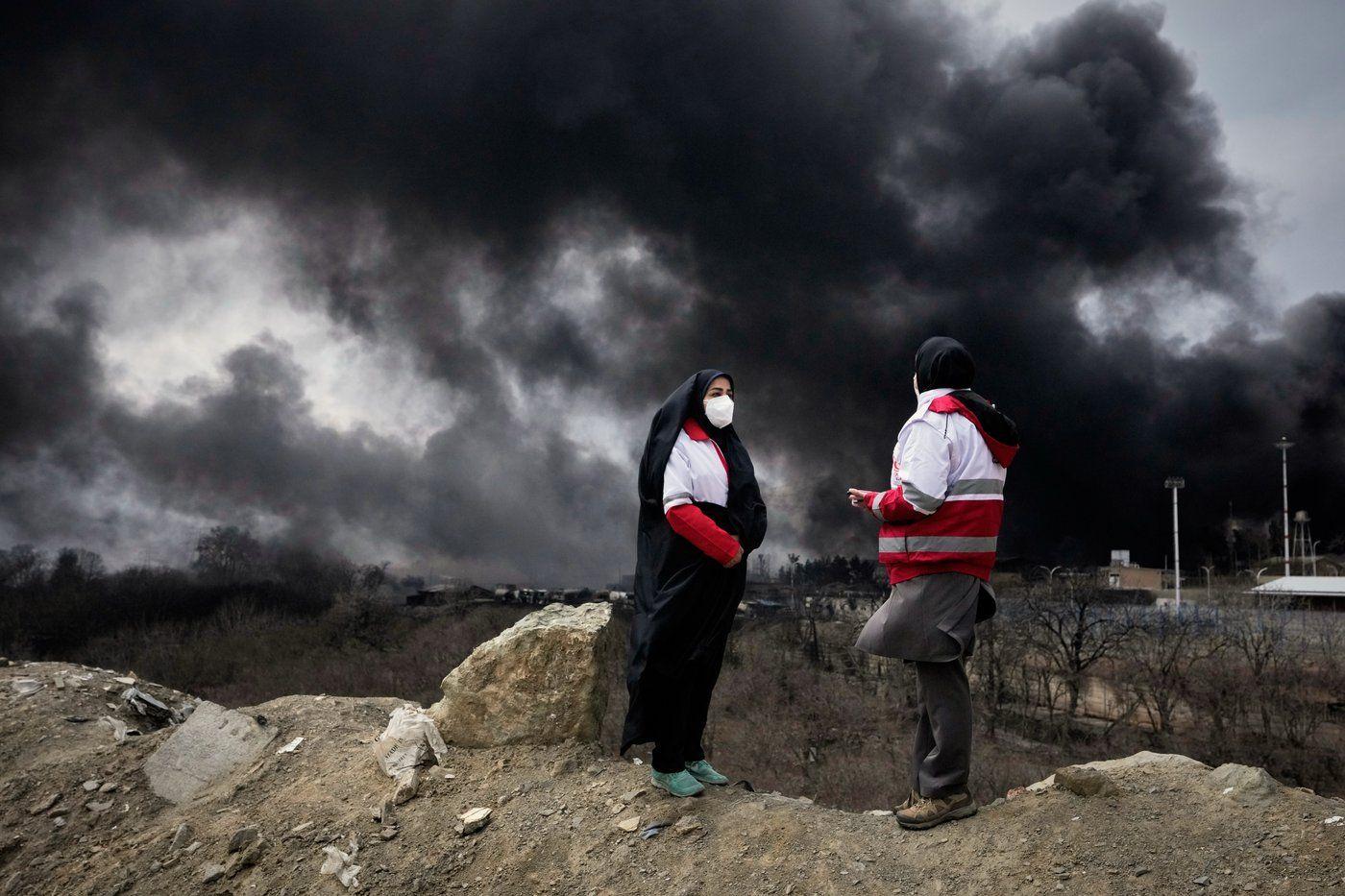
Outlets flagged heavy strikes on Iranian oil facilities, toxic smoke risks and thousands of damaged civilian structures. Political messaging has been stark: U.S. and Israeli leaders have openly discussed replacing Iran’s leadership, Tehran vowed to expand attacks on U.S. targets, and diplomats expressed fear that further strikes on civilian infrastructure could have existential regional consequences.