Iran21 March, 20264 min read
Iran Fires Ballistic Missiles at Southern Israel, Dimona and Arad Hit
Iran launched ballistic missiles striking Dimona near the Negev nuclear facility and Arad. Dimona and Arad reported numerous injuries and significant structural damage.
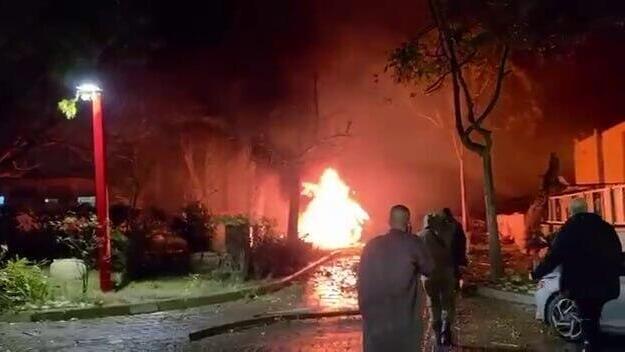
Attack Overview
Iran launched a significant ballistic missile attack targeting southern Israel, hitting the cities of Dimona and Arad in what marked one of the worst days for Israel in the ongoing US-Israeli war with Iran. The attacks represented Tehran's retaliation for previous Israeli strikes on Iranian nuclear facilities, particularly the Natanz enrichment complex that was targeted earlier in the day.
“The Arad strike represented the second time in a matter of hours that an Iranian missile pierced Israel's multi-layered air defense array and struck a populated area in the south.”
Iranian sources confirmed the use of 'powerful, deadly, and precisely targeted missiles of the Qadr and Emad models' in this wave of attacks, which penetrated Israel's multi-layered air defense system despite previous claims of successful interceptions. The strikes occurred during what officials described as the ninth round of Iranian missile fire aimed at southern Israel within a 24-hour period, demonstrating Iran's sustained ability to inflict damage despite three weeks of being bombed by the US-Israel coalition.

Strike Details
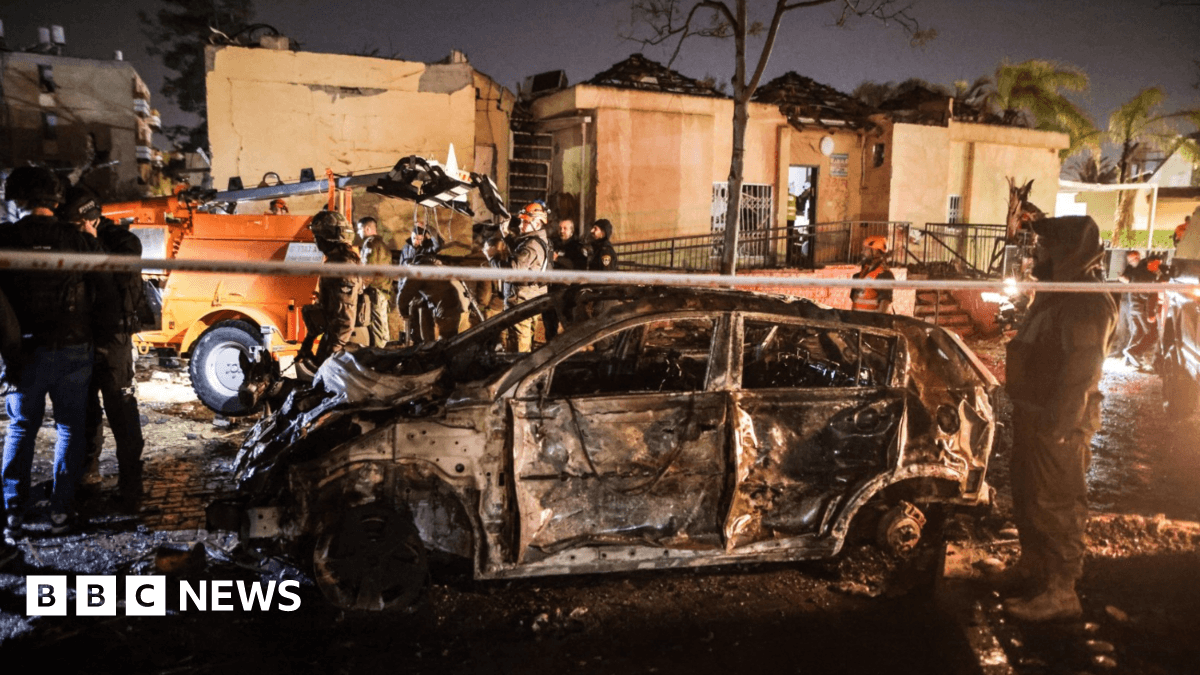
The Iranian missiles directly impacted populated areas in both Dimona and Arad, causing significant structural damage and civilian casualties. In Dimona, a building collapsed after being directly hit by a missile, while in Arad, at least nine buildings sustained direct or significant structural damage when the missile landed directly between three residential buildings in the city center.
The Dimona strike was particularly notable given its proximity to Israel's main nuclear research center, the Shimon Peres Negev Nuclear Research Center, which is widely believed to be central to Israel's undeclared nuclear weapons program. Iranian state media described the strikes as retaliatory actions, with Tasnim News Agency hinting that 'insecurity in the Bab al-Mandeb and the Red Sea are among the options available to the Axis of Resistance' as Tehran escalates its response to Israeli aggression.

Casualties & Response
The missile attacks resulted in multiple civilian casualties that overwhelmed emergency services across southern Israel. In Arad alone, casualty reports varied between sources but consistently indicated dozens of injuries, with Magen David Adom initially reporting 33 wounded (4 seriously, 12 moderately, 17 lightly injured), while other sources reported figures as high as 70 injured. In Dimona, initial reports indicated around 20-30 people sustained light injuries from rocket and shrapnel strikes across 12 different locations.
“MDA emergency medic Yakir Talker told Channel 12: 'This is a very difficult scene. We arrived with large forces of ambulances, intensive care units, and MDA motorcycles, and saw many injured with varying degrees of injuries as a result of a missile strike.'”
The emergency response was massive, with dozens of ambulances and mobile intensive care units dispatched to both cities, while Soroka Medical Center in Beersheba declared a mass casualty incident and called in staff across all departments. Helicopters, including Israeli Air Force aircraft, were sent to assist with evacuations, and ZAKA emergency teams reported finding multiple people trapped and unconscious under rubble, describing the aftermath as 'a very difficult scene' with extensive destruction and chaos.
Context & Escalation
The attacks represent a dangerous escalation in the 22-day war between the US-Israel coalition and Iran, which began on February 28 when the United States and Israel launched joint strikes on Iranian targets. Before Saturday's attacks, 15 people in Israel had been killed by Iranian missiles since the conflict began, but Saturday's escalation raised fears that the death toll could climb further.
The targeting of Dimona is particularly significant as it marks the first time in the war that Israel's nuclear research center has been directly threatened, with Iran having previously warned it could target the Dimona nuclear site if the United States and Israel pursued further escalation. The strikes also demonstrate Iran's expanding military capabilities, including the ability to launch long-range missiles targeting strategic facilities far from its borders.

International Reactions
The missile strikes triggered significant international reactions and diplomatic fallout across the region. Saudi Arabia's foreign ministry announced that several Iranian diplomats should leave the kingdom within 24 hours, declaring them 'persona non grata' in response to Iran's continuing attacks. The United Nations, through Secretary-General Antonio Guterres, urged Iran to reopen the Strait of Hormuz and indicated that the United Nations could assist in securing the waterway.
“Foreign Secretary Yvette Cooper on Saturday condemned Iran's missile strikes on a joint U.S.-U.K. base while stressing that London has 'taken a different position from the US and Israel,' saying that ministers support defensive action only and want to see a swift resolution to the war.”
In Britain, Foreign Secretary Yvette Cooper condemned Iran's missile strikes on a joint U.S.-U.K. base while stressing that London has 'taken a different position from the US and Israel,' saying that ministers support defensive action only and want to see a swift resolution to the war. Meanwhile, Israel's Defense Minister Israel Katz signalled that strikes on Iran are set to increase as Israel and the United States continue their campaign, while President Donald Trump criticized NATO's response to the situation and urged broader protections for shipping in the Strait of Hormuz.
Military Assessment
Military assessments revealed significant gaps in Israel's air defense capabilities, as Iranian ballistic missiles successfully penetrated Israel's multi-layered defense system despite previous claims of high interception rates. The Israeli Air Force has opened a formal investigation into the interception failure, with the Home Front Command conducting a parallel inquiry. Military sources noted that similar missiles have been intercepted successfully in past incidents, raising questions about why these particular attacks succeeded.
Technical analysis revealed that the missiles carried conventional warheads with hundreds of kilograms of explosives, and Lt Col Nadav Shoshani, Israeli military spokesman, explained that missiles can carry cluster munitions and that each can disperse dozens of sub-munitions, making them hard to stop even when the parent missile is intercepted. Israel's military states it has destroyed more than 70% of Iran's ballistic missile launchers, but the successful penetration of defenses suggests that remaining capabilities pose a continuing threat to Israeli security.