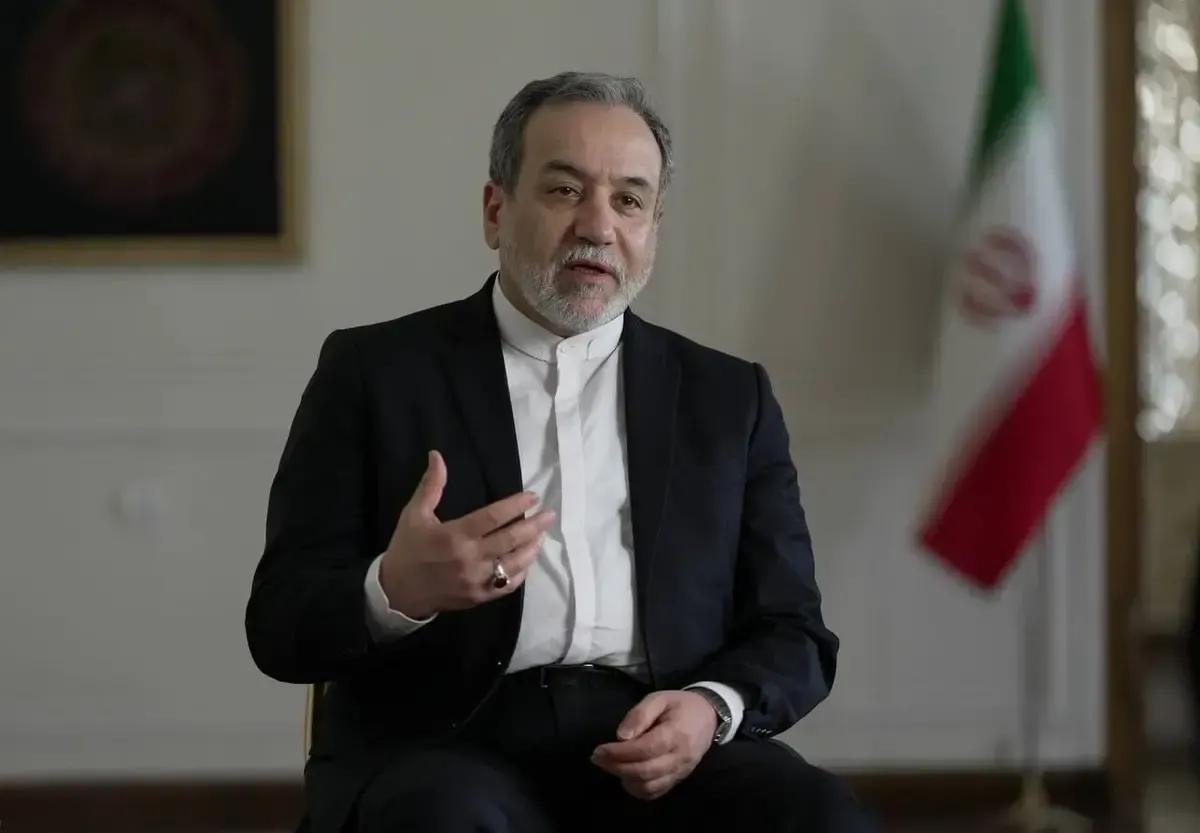
Iran Fires Missiles and Drones at United Arab Emirates After April 8 Ceasefire
Key Takeaways
- Iran fired missiles and drones at the UAE, including a ship in Hormuz.
- Attacks occurred despite the April 8 ceasefire, described as fragile.
- Iran warned of devastating retaliation and regional escalation in response.
Ceasefire, then strikes
Iran’s missile and drone attacks on the United Arab Emirates marked a renewed phase of fighting after a ceasefire with the United States took effect on April 8, with the U.S. and Iran remaining deadlocked in negotiations to end the war.
CBS News reported that “Iran launched its first missile and drone attack on the United Arab Emirates since a ceasefire with the U.S. took effect on April 8,” and said it also “fired two drones at a ship in the Strait of Hormuz, UAE authorities said Monday.”

The Jerusalem Post’s live updates described “Britain condemns Iranian strikes on the United Arab Emirates” and said “Iran threatens UAE, warns it not to become 'Israel's toy' - Tasnim.”
In the same live reporting, a senior IDF official told the Jerusalem Post that “No change in home front rules despite Iran attack on UAE, Oman,” adding that “Our air defense systems and attack capabilities are prepared at a high level which is something which has not changed since the ceasefire decision.”
The Times of India framed the broader backdrop as an Iran war that “hammered shipping and tourism,” citing a survey that showed “The seasonally adjusted S&P Global UAE Purchasing Managers' Index fell to 52.1 in April from 52.9 in March.”
The Times of India also tied the economic pressure to energy disruptions, saying “Energy disruptions due to the Iran war are expected to weigh heavily on Gulf oil and gas exporters' economies, the International Monetary Fund said in April.”
Across the reporting, the Strait of Hormuz remained central, with CBS News saying the key waterway was involved in the drone attack and that “The U.S. military said two commercial vessels safely transited the key waterway Monday.”
Negotiations and threats
While the attacks continued, multiple outlets described parallel diplomatic efforts and escalating threats around the Strait of Hormuz.
Radio Free Europe/Radio Liberty reported that “Iran's Foreign Minister Abbas Araqchi is traveling to Beijing for talks on May 5,” and said the meeting would be with “his Chinese counterpart, Wang Yi, to discuss bilateral relations and regional and international developments.”

RFE/RL also said “The meeting comes as the United States and Iran remain deadlocked in negotiations to end the war,” and described U.S. pressure on China, noting that “On May 4, the US Treasury secretary urged China to step up its diplomatic efforts to convince Iran to open the Strait of Hormuz to international shipping.”
In the Jerusalem Post’s live updates, Araqchi was quoted saying there was “no military solution in Hormuz, warns US and UAE against 'quagmire'” and that Iran threatened the UAE “warns it not to become 'Israel's toy' - Tasnim.”
The same live reporting included a U.S. threat, quoting Trump as saying, “Trump threatens to 'blow Iran off face of the Earth' if US vessels attacked,” and also quoting him: “We have more weapons and ammunition at a much higher grade than we had before,” and “We have the best equipment.”
Al-Sharq described the deadline logic, saying “Trump said Tuesday is Iran’s deadline,” and that “if it were up to him he would take the oil, referring to Iranian oil.”
Al-Sharq also reported Trump’s stated conditions for new strikes, including that “if his conditions were not met by 8:00 p.m. Eastern Time on Tuesday, he would order devastating new airstrikes on Iran to disable its capabilities.”
Strait operations and shipping
The sources also detailed how the Strait of Hormuz crisis played out through naval operations, ship transits, and attacks on vessels.
CBS News said Iran “launched small boats, missiles and drones against” two U.S. Navy destroyers, and that “Despite the intensity of the attacks, neither U.S. vessel was struck,” adding that “no projectiles that were launched reached the ships.”
CBS News named the ships as “the USS Truxtun and USS Mason,” and described that they “transited the Strait of Hormuz and entered the Persian Gulf after navigating an Iranian barrage.”
The same CBS report said the U.S. military posture included escorting traffic, stating that “Maersk said on Tuesday that one of its ships has successfully sailed through the Strait of Hormuz under U.S. escort,” and quoted Maersk’s statement that “The transit was completed without incident, and all crew members are safe and unharmed.”
CBS News also described a separate case involving a South Korean vessel, saying “all 24 crew members aboard the stricken HMM Namu -- including six South Korean nationals -- were unharmed and the fire on the vessel had been 'completely extinguished.'”
It further reported that South Korea would “review its position” on joining U.S. operations after Trump urged Seoul to take part in what he dubbed “Project Freedom.”
The Today live feed added a warning about commercial shipping, quoting Hegseth: “Iran will face overwhelming firepower if it attacks commercial shipping.”
Iran’s proposal and sanctions
Several outlets described a proposed framework for ending the war and linked it to sanctions, shipping fees, and the lifting of restrictions on the Strait of Hormuz.
Al-Sharq reported that “On Monday, Iran presented a 10-point proposal to end the war with the United States and Israel, according to Iranian state media,” and said the plan was “relayed through Pakistan, which is acting as a key mediator in this conflict.”

The same source said two senior Iranian officials told The New York Times that the proposal includes “a guarantee that Iran would not be attacked again,” “a halt to Israeli strikes against Hezbollah in Lebanon,” and “the lifting of all sanctions.”
Al-Sharq also described a reciprocal shipping arrangement, saying Iran would “end the de facto blockade it imposes on the vital shipping corridor through the Strait of Hormuz,” and would “impose charges of about $2 million on each ship, to be shared with Oman.”
It added that “Iran would use its share of the revenues to rebuild infrastructure damaged by American and Israeli attacks, rather than seeking direct compensation,” and said Trump responded by calling it “an important proposal and a significant step,” while also saying “it was not enough.”
CBS News said Iran “received a U.S. response to its latest 14-point peace proposal,” and described it as “aimed at ending the war, not extending the current ceasefire,” while adding that “Mr. Trump said over the weekend that he'd likely reject the Iranian proposal, as 'they have not paid a big enough price.'”
The Today live feed also included the U.S. framing of the naval operation “Project Freedom,” saying the U.S. defense chief warned Iran it would “unleash heavy attacks if vessels carrying out trade are targeted during its operation Project Freedom.”
Reactions and consequences
The reporting also captured reactions from governments and officials, alongside warnings about what happens if the crisis escalates further.
CBS News quoted Saudi Arabia’s foreign ministry as calling for de-escalation, saying “The Ministry of Foreign Affairs expresses the Kingdom of Saudi Arabia's concern regarding the current military escalation in the region, and calls for the need to de-escalate,” and said it “condemned the Iranian targeting of civilian and economic facilities in the United Arab Emirates.”

The Jerusalem Post live updates described Britain condemning Iranian strikes on the UAE and included an IDF official’s insistence that “No change in home front rules despite Iran attack on UAE, Oman.”
In the Today live feed, Lebanon’s Health Ministry reported “a toll of 2,696 killed and 8,264 wounded in Israeli strikes and attacks,” and Lebanon’s foreign ministry said it “strongly condemns the rejected Iranian attacks” targeting the UAE and called them a “blatant violation” of sovereignty, international law and the U.N. Charter.
RFE/RL added a humanitarian dimension by reporting UN concern over detained Nobel laureate Narges Mohammadi, quoting that Antonio Guterres expressed “deep concern” and called on Iranian authorities to ensure that Mohammadi “receives, at the very least, urgent medical care as required by her current health condition.”
RFE/RL also reported that the U.S. ambassador to the United Nations, Mike Waltz, wrote on X about “abusive treatment of Mohammadi in prison” and urged Tehran to provide “the urgent care she needs.”
The Jerusalem Post live updates also described a broader casualty accounting since February 28, stating “Twelve IDF soldiers and 23 civilians have been killed, and at least 7,693 more injured in ballistic missile attacks across Israel since February 28.”
More on Iran
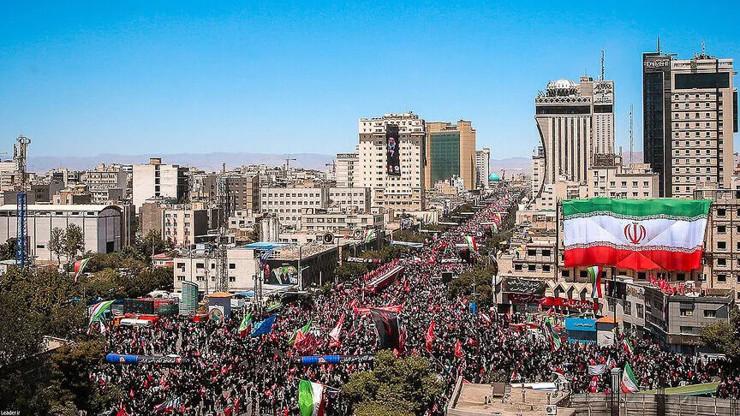
Israeli Strike Kills Ayatollah Ali Khamenei, Buried at Imam Reza Shrine in Mashhad
19 sources compared
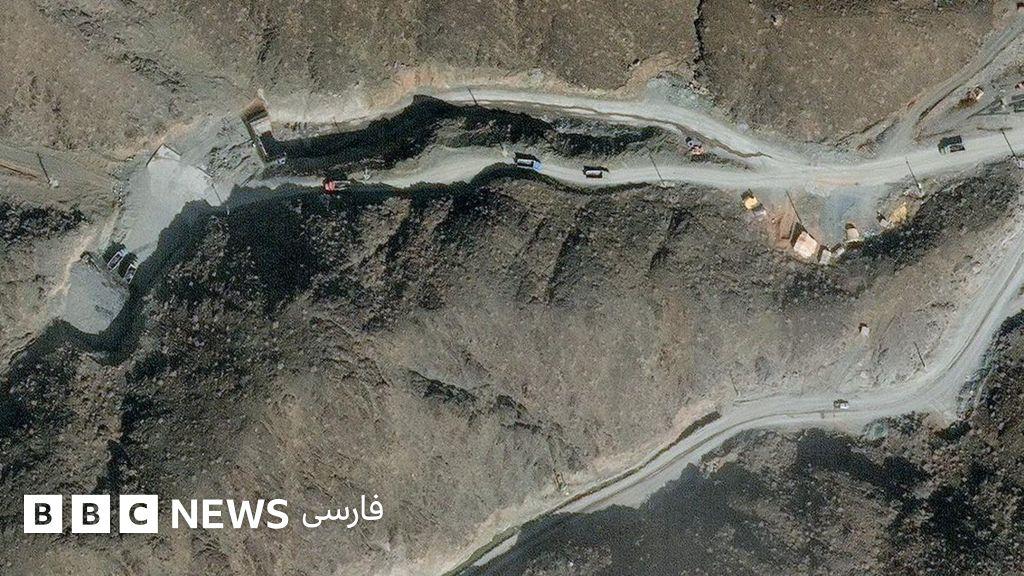
Iran Attempts To Restore Nuclear Sites Damaged In US And Israel Strikes, CNN Satellite Images Show
15 sources compared
Abbas Araghchi and Prince Faisal Bin Farhan Discuss Regional Developments After US Attacks
11 sources compared

Trump Says U.S. Agreed to Continue Iran Talks, Ceasefire Is Over
19 sources compared