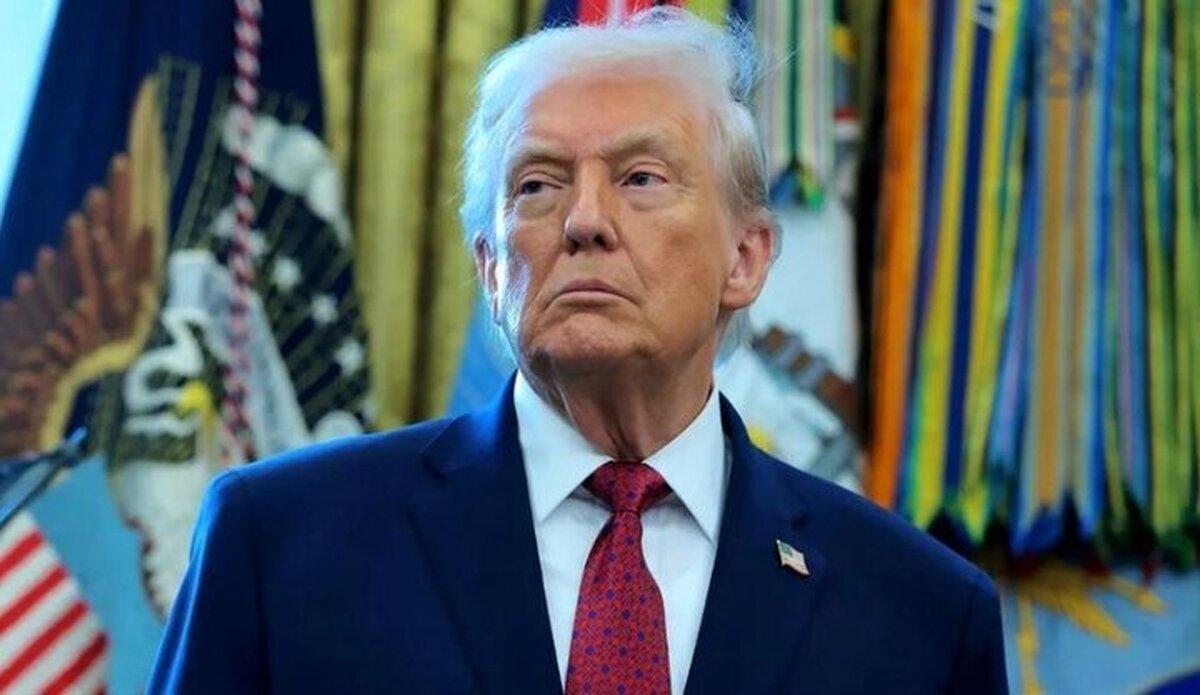
Iranian Forces Seize Two Container Ships in Strait of Hormuz After Trump Extends Ceasefire
Key Takeaways
- Iranian forces seized two container ships in the Strait of Hormuz.
- Trump extended the Iran ceasefire indefinitely.
- Extension came as talks stalled; Iran urged to present a unified proposal per Pakistan's request.
Ceasefire extended, ships seized
Iranian state media said Iranian forces seized two container ships in the Strait of Hormuz on Wednesday, “just hours after President Donald Trump initially calmed fears of renewed violence by extending his ceasefire with Iran indefinitely,” according to The Washington Post.
The same seizure sequence was echoed by Euronews, which said the Islamic Revolutionary Guard Corps naval force “identified and stopped in the Strait of Hormuz two violating ships” and “were seized by the IRGC's naval forces and directed to the Iranian coast.”

Euronews identified one ship as MSC Francesca and said it belonged to Israel, while it identified the other as Epaminondas and said it was “tampering with navigation systems and jeopardising maritime security.”
The BBC reported that “Iran's top negotiator says it is 'not possible to reopen the Strait of Hormuz' due to 'blatant violations' of the US-Iran ceasefire,” and said those violations include the “US naval blockade of Iranian ports” and “warmongering” by Israel “on all fronts.”
In parallel, the BBC said Trump extended the ceasefire while stating “the US blockade of Iranian ports would continue,” and it noted that “Talks between the US and Iran were due to resume in Pakistan this week, but are yet to start.”
The Times Union described the diplomatic effort as already strained, saying Pakistan had planned to host a second round of talks but “the White House suspended Vice President JD Vance’s planned trip to Islamabad as Iran rebuffed efforts to restart negotiations.”
In the middle of this, the AP reported that Trump said he was extending the ceasefire at Pakistan’s request while awaiting a “unified proposal” from Tehran, even as the U.S. military maintained its blockade of Iranian ports.
Why the truce was extended
Multiple outlets tied the ceasefire extension to Pakistan’s mediation and to Trump’s stated need for time for Iran to unify around negotiating terms.
The New York Times said Trump extended a cease-fire “just hours before it was set to expire,” after Vice President JD Vance’s trip to Pakistan was put on hold because “Tehran had failed to respond to American positions,” and it said Trump acted after receiving a request from Pakistan to “hold off any attacks.”

NBC News similarly reported that Trump posted on Truth Social that he would extend the ceasefire “until its leaders 'can come up with a unified proposal'” and that “the naval blockade of Iran's ports will continue.”
Euronews described the extension as being requested by Pakistan’s leadership, saying Trump wrote that “upon the request of Field Marshal Asim Munir, and Prime Minister Shehbaz Sharif, of Pakistan, we have been asked to hold our attack on the country of Iran until such time as their leaders and representatives can come up with a unified proposal.”
Al Jazeera Net framed the extension as a shift in the negotiation timeline beyond a “two week window” and said the “mystery surrounding the fate of the negotiations continues,” after Trump announced an indefinite extension.
It also said Trump told NBC that he “did not lean toward extending the truce,” and that the U.S. army was “eager to launch,” while it described Tehran’s position as insisting on lifting the naval blockade as a precondition for talks.
The BBC said talks were due to resume in Pakistan “this week, but are yet to start,” and it reported that the Strait of Hormuz was “now too dangerous for all but a trickle of traffic.”
Iran’s pushback and readiness
Iran’s response to the extension combined rejection of the premise for negotiations with warnings about what would happen if the blockade continued.
The BBC reported that Iran’s top negotiator said it was “not possible to reopen the Strait of Hormuz” because of “blatant violations” of the ceasefire, and it said those violations include the “US naval blockade of Iranian ports” and “warmongering” by Israel “on all fronts,” quoting Mohammad Bagher Ghalibaf.
Al Jazeera Net said Tehran insisted on lifting the naval blockade as a precondition for sitting at the negotiating table, while it also “affirming complete military readiness for a scenario of war returning.”
It quoted an Iranian Foreign Ministry spokesperson saying, “Tehran will take what it described as appropriate measures if the logical circumstances for using diplomacy become available, in order to achieve our interests and cement the achievements of our people in thwarting the enemy's evil schemes.”
Al Jazeera Net also included a warning from Tasnim that “Iran did not seek the extension,” and it said it “repeated its threats to break the American blockade by force.”
The New York Times reported that the first response from Iran came from an adviser to Mohammad Bagher Ghalibaf, and it quoted Mahdi Mohammadi writing, “The extension of the cease-fire by Donald Trump has no meaning,” and “The losing side cannot set the terms.”
NBC News said Iran’s top negotiator warned it will not negotiate “under the shadow of threat” and has prepared “new cards on the battlefield,” as Tehran signaled it is also ready if the war resumes.
Markets, shipping, and the blockade
Even as the ceasefire was extended, the Strait of Hormuz remained closed in ways that kept pressure on shipping and energy markets, and several outlets tied the blockade to both diplomatic friction and economic consequences.
CNBC said the ceasefire extension “dampened anxiety that the U.S. was about to resume strikes,” but it reported that “the Strait of Hormuz remains closed” and “continues to severely restrict oil supply,” lifting “inflationary pressures and weighing on global growth prospects.”

It also said Brent crude and U.S. West Texas Intermediate futures “whipsawed” on Trump’s announcement, trading at “$99.81” and “$90.86 per barrel,” respectively, as of “4:52 a.m. ET,” while prices stayed elevated due to Trump’s insistence that a blockade of the Strait of Hormuz stay in place.
The BBC said the Strait of Hormuz was “now too dangerous for all but a trickle of traffic,” and it reported that the UN’s International Maritime Organisation head called for “innocent seafarers to be released immediately.”
BBC also said Dominguez pointed out that “Nearly 20,000 seafarers remain stranded in the Gulf” and that it was “uncertain when they will be able to return home,” adding “there is much more work to be done.”
AP reported that Scott Bessent said the blockade of Iranian ports “directly targets the regime’s primary revenue lifelines” and that “Kharg Island storage will be full and the fragile Iranian oil wells will be shut in,” while it also said Bessent wrote that Iranian funds would remain frozen.
Rigzone described the standoff as extending “the choking of the transit point for about a fifth of the world’s oil and LNG supplies,” and it said the closure had increased “the risk of a global inflation crisis.”
Attacks and competing narratives
Alongside the ceasefire extension, multiple reports described continued maritime incidents that complicated diplomacy and fed competing narratives about who was violating what.
“Trump says US is extending ceasefire while awaiting proposal from Iran 2 ships attacked in Strait of Hormuz, complicating diplomatic efforts to resume talks Today’s live updates have ended”
The Times Union said Iran’s semiofficial news agencies reported that the Revolutionary Guard attacked a third ship on Wednesday in the Strait of Hormuz, naming the vessel as the Euphoria and describing it as “stranded” on the Iranian coast, while it said the Guard had seized the other two ships that were attacked.

Euronews similarly said the tanker seizures came after US President Donald Trump said the ceasefire was being indefinitely extended, and it described the UK Maritime Trade Operations Centre saying the first ship was attacked by a Revolutionary Guard gunboat that “did not hail the ship before firing,” while it added that “nobody was hurt in the attack.”
The BBC reported that “Iran seized two cargo ships in the Strait of Hormuz, after Donald Trump extended the US-Iran ceasefire,” and it said BBC Verify had located the attacks, while it also described the Strait as too dangerous for most traffic.
Fox News described a separate UKMTO incident, saying “UKMTO has received a report of an incident 8NM west of Iran” and that “a master of an outbound cargo ship reports having been fired upon and is now stopped in the water,” adding “There is no reported damage to the vessel.”
In the political framing, Iran’s parliamentary Speaker Mohammad Bagher Qalibaf told the Times Union that “A complete ceasefire only makes sense if it is not violated by the maritime/naval blockade and taking the world’s economy hostage,” and he said “Reopening the Strait of Hormuz is impossible with such flagrant breach of the ceasefire.”
Meanwhile, the BBC said Trump’s position included continuing the blockade of Iranian ports even as he extended the ceasefire, and it reported that Iran’s President Masoud Pezeshkian said the blockade, “threats” and a “breach of commitments” were the “main obstacles” to “genuine negotiations.”
More on Iran

Iran’s IRGC Navy Seizes Two Ships in Strait of Hormuz After Trump Extends Ceasefire
59 sources compared
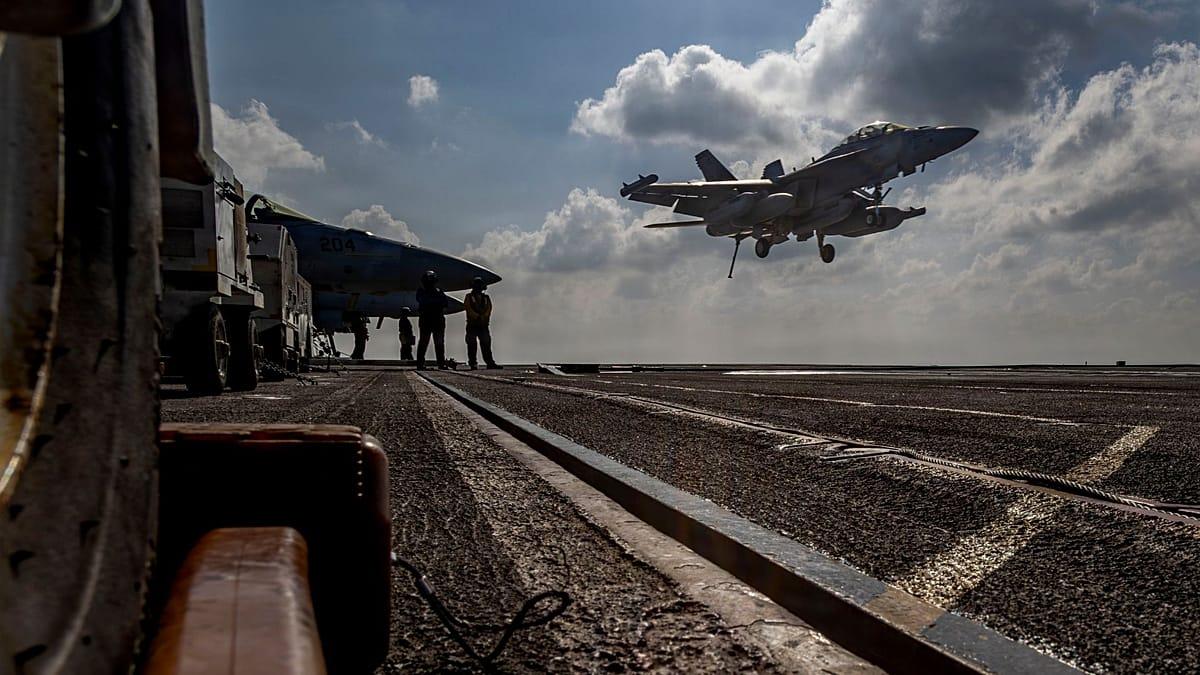
U.S.-Iran Negotiations In Doubt As Ceasefire Timeline Remains Unclear
29 sources compared
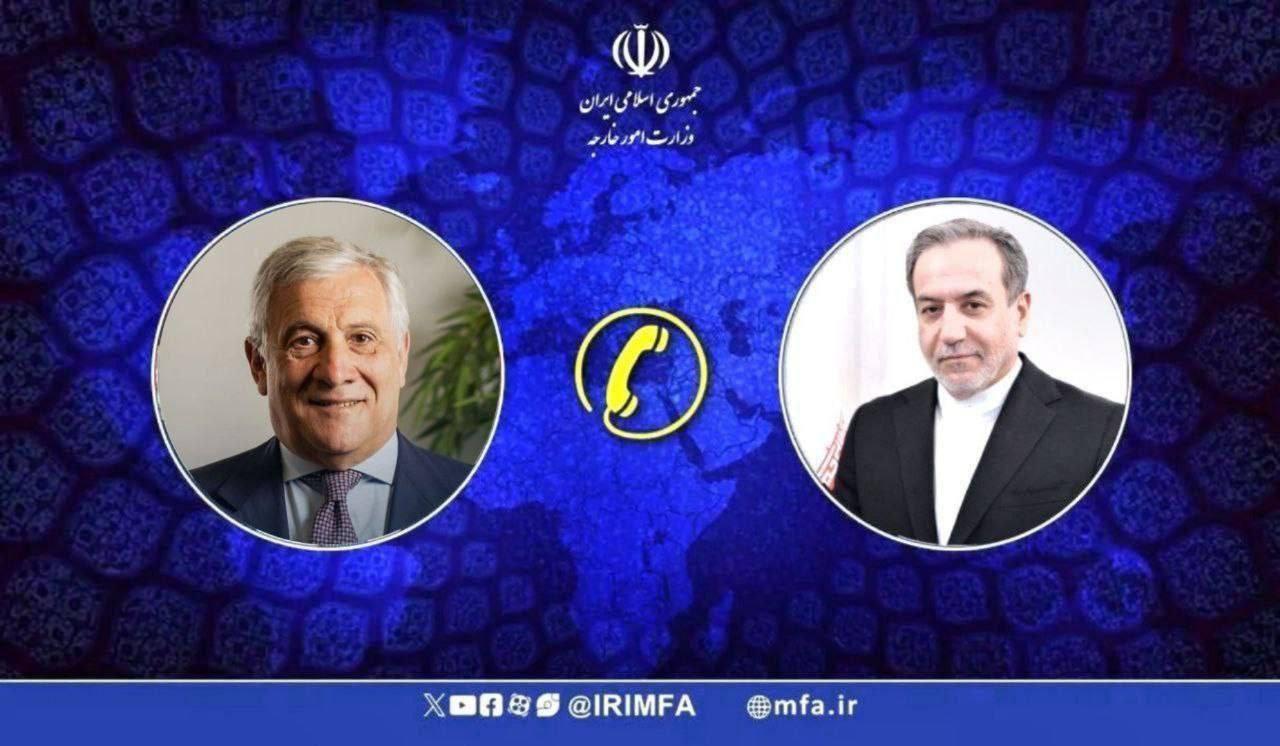
Abbas Araghchi Says US Violations Drove Strait of Hormuz Crisis After Iran Seized Two Ships
12 sources compared
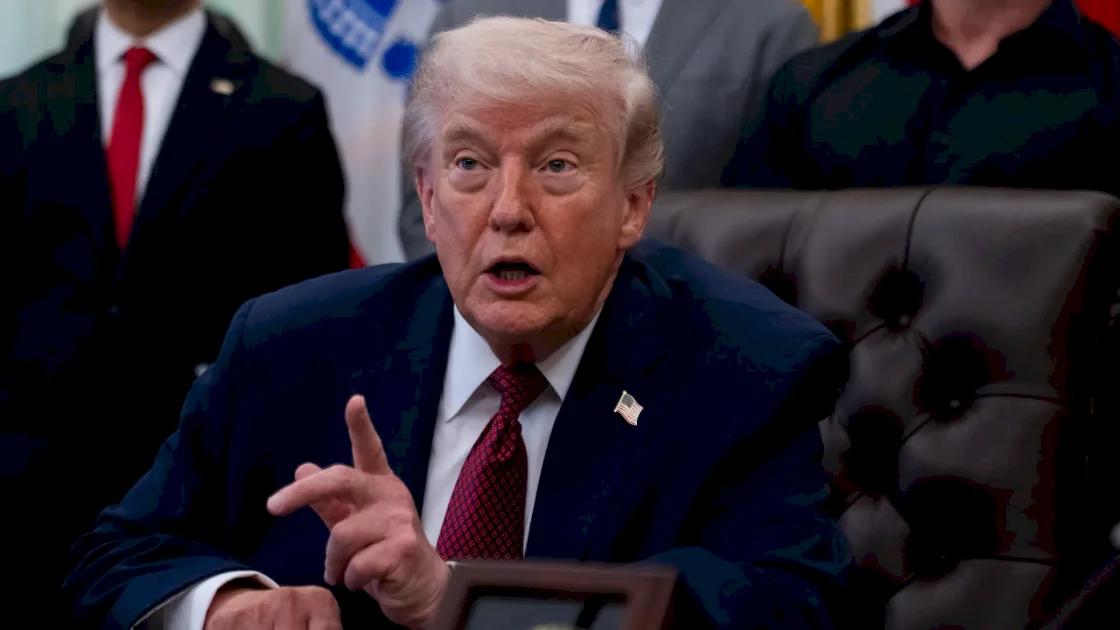
Trump Extends U.S.-Iran Ceasefire Indefinitely After Iran Misses Talks in Islamabad
21 sources compared