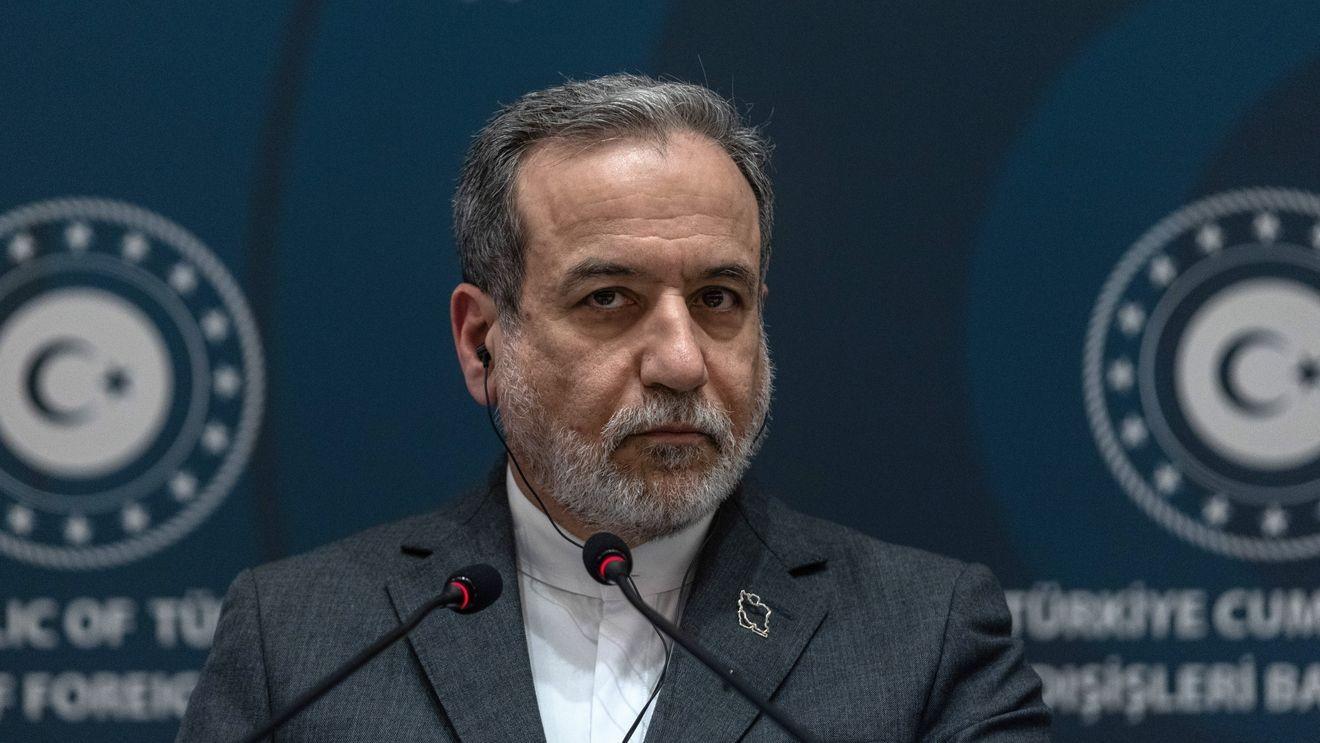
Iran Foreign Minister Abbas Araghchi Heads to Pakistan as US-Iran Ceasefire Talks Falter
Key Takeaways
- Iran's foreign minister travels to Pakistan for bilateral consultations.
- Pakistan mediates Tehran-Washington ceasefire discussions.
- Unsuccessful efforts prevented a second round of ceasefire negotiations.
Diplomat to Pakistan
Iran’s top diplomat, Foreign Minister Abbas Araghchi, is set to travel to Pakistan on Friday for “bilateral consultations” as US-Iran ceasefire talks falter, with Pakistani officials continuing their role as mediators between Tehran and Washington.
“US and Iran in blockade standoff as Pakistan pushes for talks Courtesy of last night's Truth Social post from US President Donald Trump, the ceasefire between Iran, the US and Israel which was due to expire on Wednesday does at least persist”
The state-run IRNA news agency confirmed that Araghchi will also travel to Oman and Russia, and Pakistani officials told The Associated Press on condition of anonymity that he is traveling with a small government delegation.
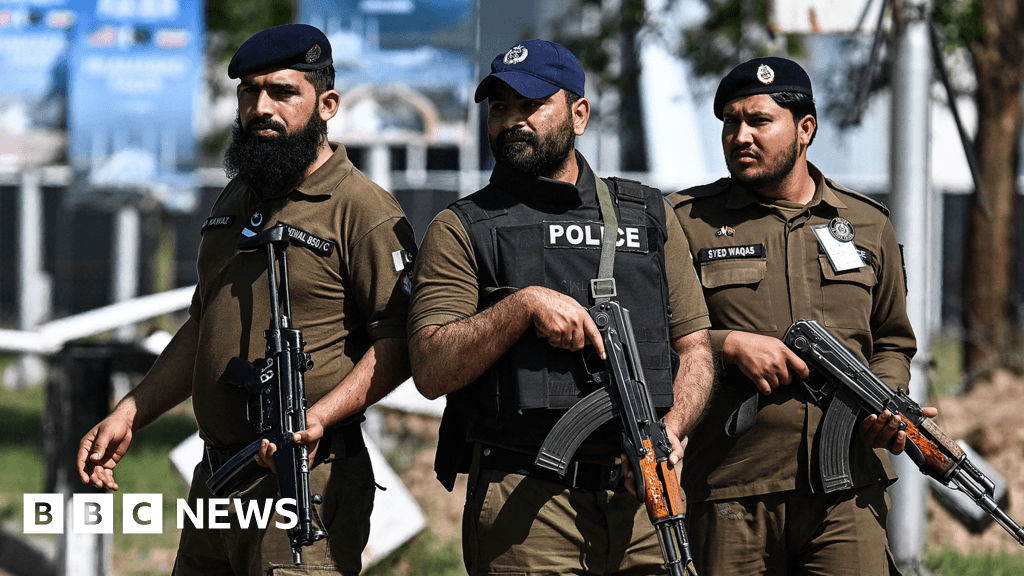
The White House has not confirmed whether a U.S. delegation will participate in any upcoming talks brokered by Pakistan.
The diplomatic movement comes after negotiations failed on Tuesday, when President Donald Trump announced the U.S. would extend its ceasefire indefinitely.
Trump said the ceasefire extension was made “upon the request of Field Marshal Asim Munir and Prime Minister Shehbaz Sharif of Pakistan,” and he wrote on Truth Social that the U.S. would hold its attack on “the country of Iran” until Iran’s leaders present a unified proposal.
The same reporting places the ceasefire decision alongside a continuing U.S. military blockade of Iranian ports in the Strait of Hormuz, describing a “war of blockades” in which both sides use force to intercept and seize commercial vessels.
Defense Secretary Pete Hegseth said Friday that the U.S. campaign has delivered “rapid and decisive results” and is entering a new phase aimed at forcing Tehran to negotiate as the conflict approaches the eight-week mark.
Ceasefire extended
President Donald Trump’s decision to extend the U.S. ceasefire indefinitely is tied in the reporting to Pakistan’s Prime Minister Shehbaz Sharif and Field Marshal Asim Munir, with Trump framing the move around Iran’s internal political situation.
In the account carried by WPDE and WWMT, Trump wrote on Truth Social that “Based on the fact that the Government of Iran is seriously fractured, not unexpectedly so,” and “upon the request of Field Marshal Asim Munir and Prime Minister Shehbaz Sharif of Pakistan,” the U.S. was asked to “hold our attack on the country of Iran.”
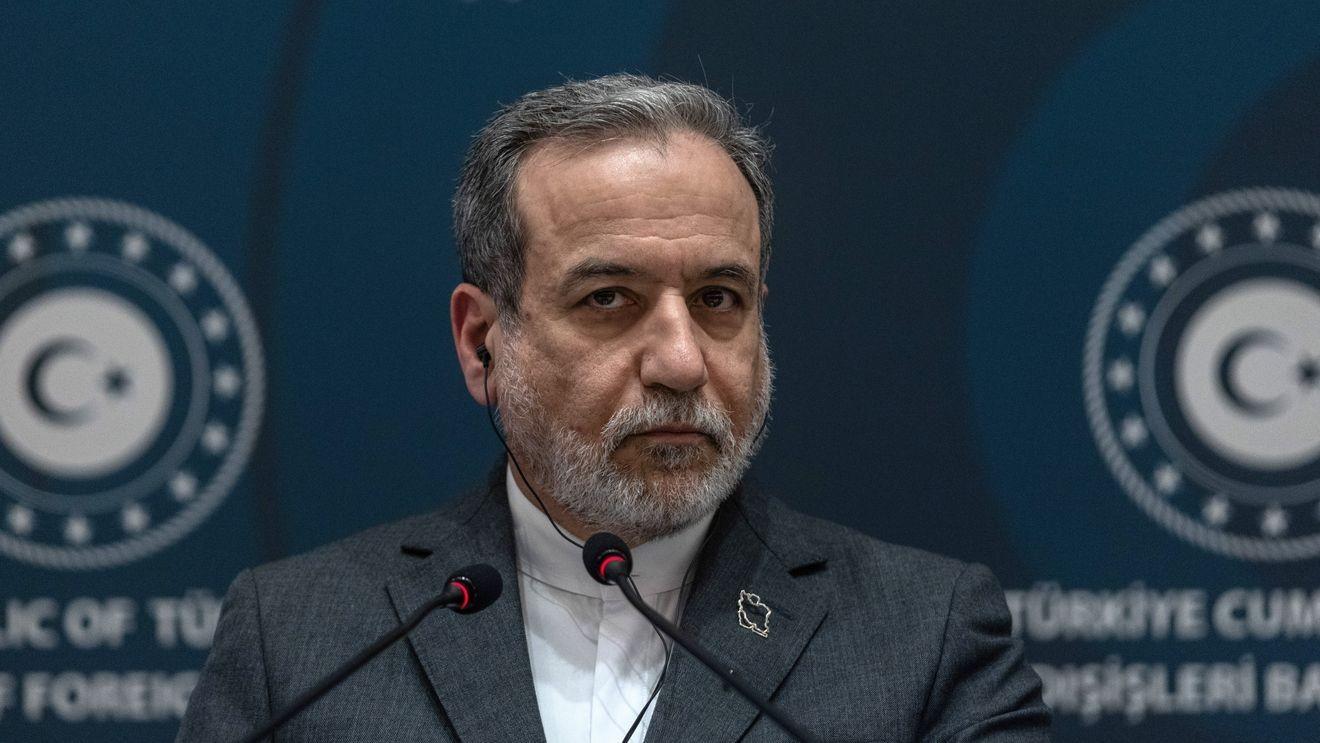
Trump said the ceasefire would remain in place until Iran’s leaders present a unified proposal, and the reporting places this condition alongside continued pressure in the Strait of Hormuz.
The BBC describes the ceasefire as persisting even as the conflict shifts into blockade enforcement, noting that the ceasefire between Iran, the US and Israel “which was due to expire on Wednesday does at least persist.”
The BBC also depicts the diplomatic setting in Islamabad as tense and stalled, with “the hotel where talks were expected to take place is empty” and “Parts of the city remain sealed off.”
It says Islamabad still waits for Iranian and American representatives to arrive for peace talks, and it quotes Shehbaz Sharif posting on social media that Pakistan would “continue its earnest efforts for negotiated settlement of the conflict.”
The BBC further reports that Donald Trump told at least one journalist that a deal is still possible in the next few days, while Iran dismissed the president’s suggestion that he was giving Tehran time to come up with a “unified position.”
In the same BBC account, Iran accuses the US of a “breach of commitments” and cites what it called Washington’s “contradictory behaviour,” underscoring the dispute over whether the ceasefire extension is accompanied by consistent terms.
The reporting also ties the ceasefire posture to U.S. operational steps, including Trump ordering forces to “shoot and kill” small boats suspected of laying mines.
Blockade and pressure
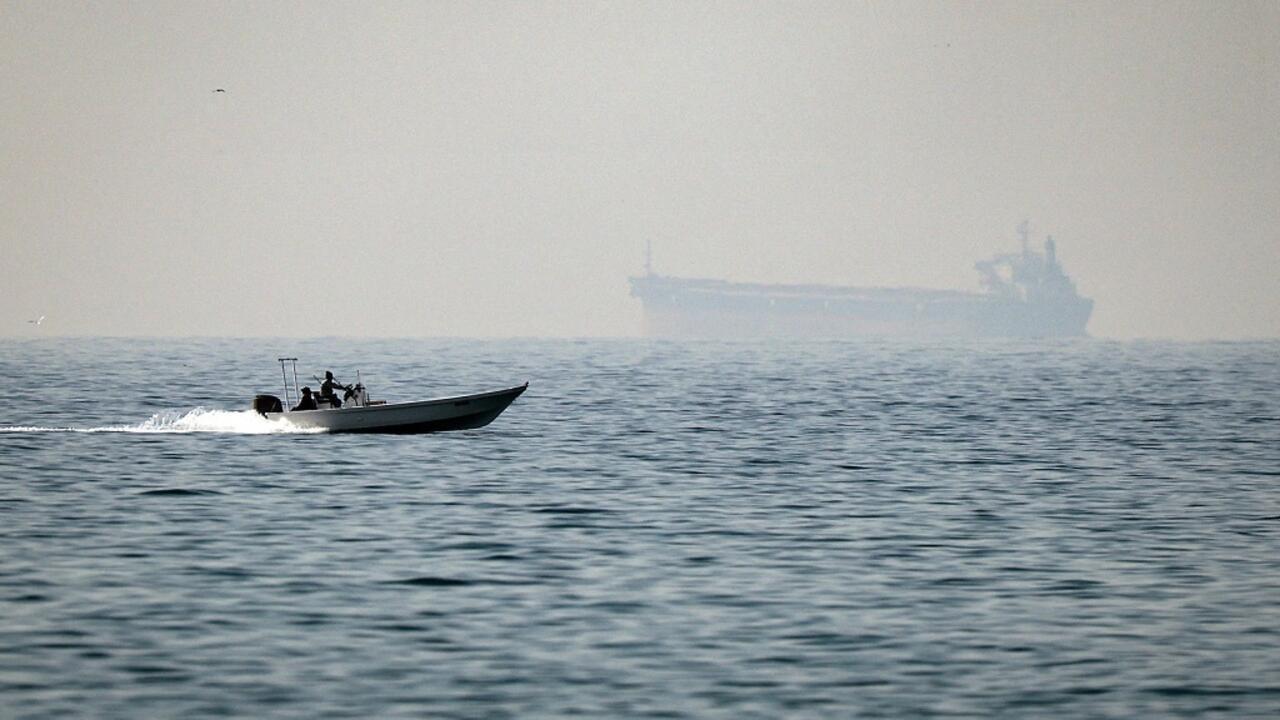
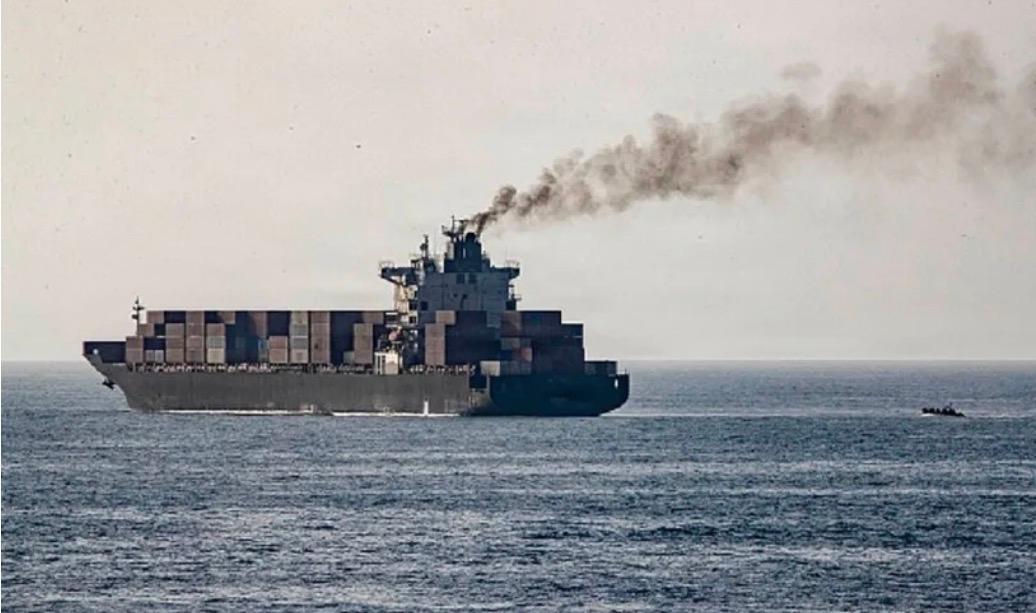
The reporting portrays the Strait of Hormuz as the central arena of coercion even as ceasefire talks are pursued, with the U.S. continuing a blockade of Iranian ports and Iran maintaining pressure on traffic through the strait.
“Top Iran diplomat heads to Pakistan as US ceasefire talks falter (TNND) — Iran’s top diplomat will head to Pakistan on Friday for “bilateral consultations,” as Pakistani officials continue their role as key mediators between Tehran and Washington following unsuccessful efforts earlier this week to bring the two sides together for a second round of ceasefire negotiations”
WPDE and WWMT say the strategic waterway has been disrupted since the conflict began in late February, and that Iran has maintained pressure on traffic through the strait, attacking three ships earlier this week.
The same accounts state that Defense Secretary Pete Hegseth described the U.S. naval blockade as “ironclad” and “growing and going global,” saying ships linked to Iranian ports are being turned away or seized as pressure on Tehran intensifies.
Hegseth also said “Nothing in, nothing out,” adding that “every ship” meeting U.S. criteria has been turned around, and the reporting frames the new phase as aimed at forcing Tehran to negotiate.
The BBC’s depiction of the standoff emphasizes the operational reality of interception and seizure, describing “a ‘war of blockades’ over the Strait of Hormuz” in which both sides use force to intercept and seize commercial vessels.
It also describes the mood in the waterway as “combustible,” while Islamabad’s diplomatic environment remains constrained by sealed-off areas and an empty talks venue.
In the BBC account, Iran’s delegation reluctance to travel to Islamabad is discussed alongside Iran’s accusation that the U.S. is acting with “contradictory behaviour,” and it notes that Donald Trump’s Truth Social post announcing the ceasefire extension spoke of an Iranian regime that is “seriously fractured, not unexpectedly.”
The BBC also reports that Iran still complains it has entered negotiations twice in the past year only to be attacked by Israel and the United States, and it places that grievance alongside the current blockade standoff.
Together, the accounts show a continuing cycle in which blockade enforcement and mine-related orders coexist with attempts at mediated talks through Pakistan.
More on Iran

Trump Administration Sanctions Hengli Petrochemical And 40 Shippers Over Iranian Oil
16 sources compared

Iranian FM Abbas Araghchi Visits Pakistan as US-Iran Ceasefire Talks Stall
16 sources compared
U.S. Naval Blockade of Iranian Ports Pressures Tehran in Strait of Hormuz Standoff
14 sources compared
Iran Grants Russia Strait Of Hormuz Transit Fee Exemptions, Ambassador Kazem Jalali Says
16 sources compared